“If I’d known about these new checks, I’d have cleaned up my pages in advance instead of panicking at the window. They sent me off to ‘wait’ — and summer left without me.”
— Dinara, WaT participant, 2026
Hey everyone. We keep taking the Work & Travel USA program apart piece by piece — Russian WaT Roulette. Today: a fresh twist this season that agents somehow forget to mention at their meetings. The consulate now reads your social media before deciding whether you get a visa. Ready? Let’s dig in.
You passed the selection, handed your agent around $3,000, packed your suitcase and memorised how to say “room cleaning” in English. You show up for your visa interview — and the consul asks you to make all your profiles public, then quietly goes off to read them. Along with everything you’ve posted, tagged and shared over the past five years.
What they told you at the agency vs. what happens at the window — your phone and your profiles are now part of the conversation.Your social media used to matter only to your future employer. Now the person behind the glass reads it too.
So what actually happened
On 18 June 2025 the US State Department sent every embassy and consulate a cable with a mouthful of a title — “Expanding Screening and Vetting for FMJ Applicants.” Category J is exactly your J-1 visa for Work & Travel USA. In plain English: your online life now gets read before the visa is issued, not after.
And just before that, in late May, interviews for student and exchange visas were paused worldwide while consulates waited for new instructions. In June the windows reopened — under new rules.
What the cable actually demands:
set every one of your social media profiles to public;
the same consular officer who interviewed you personally combs your entire online footprint — not just social media, but whatever search returns on your name;
even if your paperwork is fine, the case is first formally refused under section 221(g) so they can take their time checking;
no speed quotas: staff are told to spend “as much time as necessary.”
The wording comes from the State Department’s public statement of 18 June 2025 and the text of the cable itself, which US media and immigration lawyers went through in detail.
How the screws kept tightening
This wasn’t a one-off — it’s a chain. Open each step and you’ll see the list of checks only grows.
26 March 2025 — the first warning
Secretary of State Marco Rubio sends out a cable on enhanced social media screening for students and exchange visitors — for now, routed through a dedicated fraud-prevention unit.
Late May 2025 — everything freezes
All new F, M and J interviews are frozen worldwide. Would-be students, Work & Travel USA participants and researchers wait at shuttered windows while Washington drafts the new instruction.
18 June 2025 — the new rules
Windows reopen, now with a full review of your online life. Consulates get five business days to roll it out.
December 2025 — the circle widens
The same requirements are extended to H-1B work visas and their families. The list of people being read online keeps getting longer.
March 2026 — the list only grows
Social media screening is added to 14 more visa categories. What touched three groups in summer 2025 now touches almost everyone.
How many visa categories are read on social media
June 2025 (F, M, J)
3 categories
+ December 2025 (H-1B work visas & families)
+2
+ March 2026 (more categories)
+14 → about 19
“Your whole online footprint” isn’t just your latest stories
Making “all your pages” public isn’t about one Instagram. On the DS-160 form you’re required to list every social media handle you’ve used over the past five years. Even the ones you haven’t touched since your first year of uni. Even the ones you “deleted long ago” — because cached copies and other people’s screenshots outlive your memory.
“Footprint” here means literally everything:
old VK and Odnoklassniki pages;
that abandoned Twitter and dead Telegram channel;
comments under other people’s posts and in groups;
photos other people tagged you in;
anything a search engine returns for your first and last name.
The irony? Your personal data has been floating around for years — agents leak it by the bundle. Now the consulate joins the list. Except it reads openly, with the power to say no.
There’s no fixed list of banned things — a real person decides. And they check more than one page: everything tied to your name.The interview’s over — the vetting has just begun. And it’s the same person who questioned you at the window.
Hiding isn’t the same as erasing. Scrub your pages right before the interview and “forget” half your handles on the form, and it reads as an attempt to hide something. To a consul, concealment is worse than an awkward five-year-old post.
Why the interview got scarier — and the line longer
Consuls used to be done in a couple of minutes: two questions, a stamp, next. Now there are no speed quotas — they’re specifically told not to rush. Sounds humane; in practice it means one thing: the line stalls, timelines slip, and your outcome hinges on what the person behind the glass finds under your name and how they read it.
Here’s the slippery part. The official goal is to spot “hostility toward US citizens, culture, government, institutions or founding principles.” What counts as “hostility” is nowhere clearly defined. An old joke about America, a sharp comment under some news, someone else’s opinion you once shared — all of it now gets read by a live human with the power to refuse. And there’s simply no transparent list of what’s fine and what isn’t.
A former consular officer turned immigration lawyer put it bluntly: the new procedure is so cumbersome that it slows visa issuance far more than it catches anyone genuinely dangerous. Same old pattern: just like during the pandemic, it’s the student who’s left holding the bag.
“As long as it takes” in line-speak means: budget weeks, not days.
Rehearse before you’re at the window
The interview matters more than it used to, and freezing up costs you. Run a few mock rounds first with our J-1 visa interview simulator — practise the real questions and walk in calm instead of guessing.
What your agent won’t tell you
Your agent will keep insisting “everyone who pays gets a visa” and that the interview is a mere formality. It suits them: their income is your contract, not your visa. That the consul now reads your social media and can refuse you without explanation? Rarely comes up at the meeting. And it definitely won’t be mentioned that you pay for the program before the interview, not after.
Remember what this whole chain exists for. Work & Travel USA is big business, and the agents’ main job is to make millions off you. While you dream about summer in the States, people are already earning on you: the one who sold the program, the one who filed the papers, the one who’ll “help” you claim your tax back. The new social media check changes none of that math for them — the one taking the risk is still you.
Simple rule: the more confidently an agent promises a “100% visa,” the more carefully you should reread the contract — especially the part about refunds if you’re refused.
“I cleaned out my Instagram the day before the interview. The consul asked me to open the page — and it was empty, not a single photo in three years. I think that’s exactly what put them on guard.”— Sveta, 2026
“They sent me for ‘additional review’ and told me to wait. I’m still waiting, and the program left without me.”— Artyom, 2026
What that 221(g) they scare you with actually is
The most confusing moment for a student is when they take your passport at the window and hand you a slip with the number 221(g). Plenty of people decide right there that they’ve been refused for good and call their parents in tears. In reality it’s not a final refusal — it’s a pause: the case is set aside so they can check you at leisure. The visa might come in a week, in a month, or not at all.
The problem isn’t the pause itself — it’s that it has no deadline. The program won’t wait: the employer gives your spot to someone else, the tickets burn, and summer ends on schedule. Your agent has little to say at that point — they have zero influence over the consul’s decision, even if they hinted otherwise before you paid.
Which leads to a simple rule: don’t buy non-refundable tickets until the visa is in your passport. And ask your agent straight out: what do they refund if the consul sends your case for review and you simply miss the program? Write the answer down.
What exactly they look for in old posts
There’s no official list of no-nos, and that’s the whole problem. But the cable’s wording makes it clear where attention lands: they’re asked to look for signs of hostility toward the country you’re heading to. In practice, the eye catches on fairly predictable things.
harsh takes on the US, Americans and their way of life — even if it was a joke among friends;
pictures and posts about weapons, drugs, anything brushing up against the law;
hints that you plan to stay in the States — “dreaming of never coming back,” said in jest, does not read as a joke;
mentions of unauthorised side jobs and chatter about “how to get around the program rules”;
other people’s posts you once shared without reading closely.
A separate trap is mismatches. If your form says you’re a student going for the summer and returning to study, but your pages show you dropped out a year ago, the questions won’t be about your social media — they’ll be about your honesty. And that’s exactly what gets you refused fast, no discussion. For who actually goes on the program and with what expectations, we’ve got a separate breakdown by participant type.
This is what it looks like when it all ends well. Except now, between the interview and the stamp, there’s a review of your pages.
How much are you risking: a quick self-check
“Set your profiles to public” means every page you have, not just one.
Answer five questions honestly and you’ll see where you’re thin. Tap each one to see how the consulate will read it.
1. Can you remember all your pages from the past five years?
If you can’t — that’s the first thing to sort out today. A handle you forget on the form looks worse than a bad post on it. Search for yourself the way the consulate will: by first name, last name, old nickname.
2. Do you have posts about politics or the US?
They’re not banned in themselves — nobody demands you love America. But be ready to calmly explain any of them in two sentences, without arguing or sulking. Arguing at the window is a losing move.
3. Does your page match your form?
Studies, city, job, summer plans — the consul cross-checks all of it by eye. Any discrepancy gets read against you. Check it yourself first.
4. Are you about to delete everything the night before?
Bad idea. A page scrubbed clean a day before the interview is a loud alarm bell for the consul, not a solution. Clear the clutter early and calmly.
5. What will you do if the visa is delayed?
If the answer is “no idea” — go reread your agent contract and count the money. You pay the program cost up front, and the decision comes no earlier than the interview. And run a few rounds on the interview simulator so the questions don’t catch you off guard.
FAQ
Does this really apply to Work & Travel USA?
Yes. The rules cover all F, M and J visas. Work & Travel USA is a J-1 visa, so it applies directly.
What if I don’t have any social media at all?
A total absence of pages can strike the consul as odd too, and prompt them to dig deeper. Writing “no social media” on the form when you do have it is the worst option of all.
Will they refuse me over one old joke?
There’s no single list of bans — a live person decides. One old post rarely settles it, but it’s better not to hand them reasons or argue with the consul at the window.
Can I just delete everything and show up clean?
Technically yes; in practice, a bad idea. A page scrubbed the day before the interview looks more suspicious than a lived-in one.
How much longer is the wait now?
There’s no single timeline: staff are told not to rush. Budget weeks, not days, and don’t buy tickets until the visa is approved.
In short
Getting a J-1 visa is still perfectly doable — you’re just scrutinised far more closely now. Your social media pages have become part of the interview, the line is longer, and the decision sits with a live human working from no public rulebook. The good news: almost everything here comes down to prep — an honest form, public pages, calm answers, a sober contract with your agent, and a few practice rounds on the simulator. The bad news: your agent will be the last to tell you any of it.
Want to improve your English, collect some “international experience” and claim your tax back? Good luck — but before you hand $3,000 to WaT agents, take a sober look at what you’re getting into. Their job is to sell the program and earn off you; your pages and your visa concern them precisely until the contract is signed.
Use your head. Check your pages. And don’t buy a pretty fairy tale off someone else’s slide deck.
Passed the interview and got the visa? Nice. Just get your pages in order first.
More about the WaT program
Knowledge is power. So, to help students and their parents, here are some suuuuper useful articles and other excerpts from our book:
This material is for general information only and is intended for readers aged 18 and over. It is not legal advice. Visa rules change — check official sources before you apply, and consult a professional if needed. Any decisions you make based on this text are your own responsibility.
«Знала бы про эти новые проверки — вычистила бы страницы заранее, а не тряслась перед окном. А так отправили ждать — и лето уехало без меня».
— Динара, участница WaT 2026
Всем привет! Мы продолжаем разбирать программу по косточкам — Русская рулетка WaT. Сегодня — свежая новость сезона, о которой ватные агенты на своих встречах предпочитают помалкивать: теперь консул читает твои соцсети ещё до того, как решит, дать тебе визу или нет. Готов? Тогда поехали разбираться.
Ты прошёл отбор, отдал агенту около 3 000 долларов, собрал чемодан и вызубрил, как по-английски будет «уборка номеров». Приходишь на собеседование за визой — а консул просит сделать все твои страницы в соцсетях открытыми и молча уходит их читать. Вместе со всем, что ты писал, где отмечался и чем делился за последние пять лет.
У окна теперь решают не только по документам: телефон и страницы в соцсетях стали частью разговора.Раньше твои соцсети смотрел только будущий работодатель. Теперь — ещё и человек за стеклом в консульстве.
Что вообще произошло
18 июня 2025 года Госдепартамент США разослал по всем посольствам и консульствам служебную телеграмму с длинным названием — «Расширение проверки заявителей на визы категорий F, M и J». Категория J — это как раз твоя виза J-1 для Work & Travel Usa. Если перевести на человеческий: теперь твою жизнь в интернете читают до выдачи визы, а не после.
А перед этим, в конце мая, собеседования на студенческие и обменные визы вообще остановили по всему миру — консульства ждали новых указаний. В июне окошки снова открыли, но правила уже поменялись.
Что именно требует телеграмма:
сделать все свои страницы в соцсетях открытыми для всех;
тот же сотрудник, что вёл собеседование, сам изучает весь твой след в сети — не только соцсети, но и всё, что выдаёт поисковик по имени;
даже если по документам ты подходишь, дело сначала формально отклоняют по пункту 221(g) — чтобы спокойно всё перепроверить;
никаких норм по скорости: сотруднику прямо велено тратить «столько времени, сколько потребуется».
Формулировки — из официального сообщения Госдепартамента от 18 июня 2025 года и текста самой телеграммы, который разбирали американские СМИ и иммиграционные юристы.
Как закручивали гайки
Это не разовое решение, а цепочка. Раскрой каждый шаг — видно, что список проверок только растёт.
26 марта 2025 — первый звонок
Госсекретарь Марко Рубио рассылает телеграмму об усиленной проверке соцсетей для студентов и участников обменных программ. Пока — через отдельное подразделение по борьбе с подлогом.
Конец мая 2025 — всё замирает
Все новые собеседования на визы F, M и J замораживают по всему миру. Абитуриенты, участники Work & Travel Usa и учёные ждут у закрытых окошек, пока в Вашингтоне пишут новую инструкцию.
18 июня 2025 — новые правила
Окошки открывают заново, но теперь с полной проверкой того, чем ты живёшь в сети. У консульств — 5 рабочих дней, чтобы всё запустить.
Декабрь 2025 — круг расширяется
Те же требования распространяют на рабочие визы H-1B и их семьи. Список тех, кого читают в интернете, становится длиннее.
Март 2026 — список только растёт
Проверку соцсетей добавляют ещё к 14 категориям виз. То, что летом 2025-го касалось троих, теперь касается почти всех.
Сколько категорий виз читают в соцсетях
Июнь 2025 (F, M, J)
3 категории
+ Декабрь 2025 (рабочие H-1B и семьи)
+2
+ Март 2026 (ещё категории)
+14 → около 19
«Весь твой след в сети» — это не только последние истории
Открыть «все страницы» — это не про один инстаграм. В анкете DS-160 ты обязан перечислить все свои страницы во всех соцсетях за последние пять лет. Даже те, куда не заходил с первого курса. Даже те, что «давно удалил» — потому что сохранённые поисковиком копии и чужие снимки экрана живут дольше твоей памяти.
Под «следом» понимают буквально всё:
старые страницы во «ВКонтакте» и «Одноклассниках»;
заброшенный твиттер и мёртвый телеграм-канал;
комментарии под чужими записями и в сообществах;
фотографии, где тебя отметили другие;
всё, что выдаёт поисковик по твоему имени и фамилии.
Ирония в том, что твои личные данные и так давно гуляют по чужим рукам — агенты сливают их пачками. Теперь к этому списку добавился ещё и консул. Только он читает открыто и с правом поставить отказ.
Единого списка запретов нет — решает живой человек. Проверяют не одну страницу, а всё, что связано с твоим именем.Собеседование закончилось — проверка только началась. Читает тебя тот же человек, что задавал вопросы у окна.
Скрыть — не значит спрятать. Если вычистишь страницы прямо перед собеседованием, а в анкете «забудешь» половину адресов — это выглядит как попытка что-то утаить. А для консула утаивание хуже, чем неудобная запись пятилетней давности.
Почему собеседование стало страшнее, а очередь — длиннее
Раньше консул укладывался в пару минут: два вопроса, штамп, следующий. Теперь у него нет норм по скорости — ему прямо велено не спешить. Звучит гуманно, а на деле означает одно: очередь стоит, сроки плывут, а решение зависит от того, что человек за стеклом найдёт по твоему имени и как это истолкует.
И вот тут самое скользкое. Официальная цель проверки — найти «признаки враждебности к гражданам, культуре, власти, институтам и основам США». Что именно считать «враждебностью», нигде толком не расписано. Старая шутка про Америку, резкий комментарий под новостью, чужое мнение, которым ты когда-то поделился, — всё это теперь читает живой человек с правом отказать. И никакого понятного свода «что можно, а что нельзя» просто не существует.
Бывший сотрудник консульства, ставший иммиграционным юристом, отозвался о новой процедуре резко: по его словам, она настолько громоздкая, что скорее тормозит выдачу виз, чем ловит по-настоящему опасных заявителей. Картина знакомая: как и во время пандемии, крайним в этой истории остаётся студент.
«Столько, сколько потребуется» на языке очереди означает: закладывай недели, а не дни.
Что тебе не расскажет агент
Агент по-прежнему будет уверять, что «визу дают всем, кто оплатил», и что собеседование — простая формальность. Ему так удобнее: его заработок — это твой договор, а не твоя виза. О том, что консул теперь читает твои соцсети и может отказать без объяснений, на встрече обычно молчат. И уж точно там не прозвучит, что деньги за программу ты отдаёшь до собеседования, а не после.
Помни, ради чего вообще существует эта цепочка. Work & Travel Usa — это большой бизнес, и главная задача агентов — заработать на тебе миллионы. Пока ты мечтаешь о лете в Штатах, на тебе уже зарабатывают: и тот, кто продал программу, и тот, кто оформил документы, и тот, кто «поможет» вернуть налоги. Новая проверка соцсетей в этой математике для них ничего не меняет — рискуешь по-прежнему только ты.
Простое правило: чем увереннее агент обещает «стопроцентную визу», тем внимательнее перечитай договор — особенно то, что там написано про возврат денег при отказе.
«Я почистила инстаграм за день до собеседования. Консул попросил открыть страницу — а там пусто, ни одной фотографии за три года. Кажется, именно это его и насторожило».— Света, 2026
«Меня отправили на «дополнительную проверку» и сказали ждать. Жду до сих пор, а программа тем временем уехала без меня».— Артём, 2026
Проверь себя до консульства
«Сделайте профили публичными» — это про каждую твою страницу, а не про одну.Открыть памятку перед собеседованием
Выпиши все свои страницы в соцсетях за пять лет — даже заброшенные.
Сделай их открытыми заранее, а не в очереди у окна.
Пройдись по старым записям своими глазами: спорные шутки, резкие комментарии, чужие мнения, которыми делился.
Ничего не удаляй в панике за день до собеседования — пустая страница вызывает больше вопросов, чем живая.
В анкете DS-160 перечисли все страницы честно. Забытая — это не «мелочь», а повод для подозрений.
Держи наготове спокойное объяснение для любой старой записи. И загляни в список вопросов на собеседовании — чтобы не растеряться у окна.
Частые вопросы
Это правда касается Work & Travel Usa?
Да. Правила распространяются на все визы категорий F, M и J. Work & Travel Usa — это виза J-1, так что касается напрямую.
А если у меня вообще нет соцсетей?
Полное отсутствие страниц консул тоже может счесть странным и начать копать глубже. А написать в анкете «соцсетей нет», когда они есть, — худший из вариантов.
Мне откажут за одну старую шутку?
Единого списка запретов нет, решает живой человек. Одна давняя запись редко решает всё, но лучше не давать поводов и не спорить с консулом у окна.
Можно всё удалить и прийти с чистого листа?
Технически да, по сути — плохая мысль. Резко вычищенная страница за день до собеседования выглядит подозрительнее живой.
Насколько дольше теперь ждать?
Единого срока нет: сотрудникам велено не спешить. Закладывай запас в недели, а не в дни, и не покупай билеты, пока виза не одобрена.
Что такое этот 221(g), которым теперь пугают
Самое непонятное для студента место — когда у окна забирают паспорт и выдают бумажку с номером 221(g). Многие в этот момент решают, что им отказали навсегда, и звонят родителям в слезах. На деле это не окончательный отказ, а пауза: дело откладывают, чтобы спокойно тебя проверить. Виза может прийти через неделю, через месяц, а может не прийти вовсе.
Проблема даже не в самой паузе, а в том, что у неё нет срока. Программа не будет ждать: работодатель отдаст твоё место другому, билеты сгорят, а лето кончится по расписанию. Агенту в этот момент сказать тебе особо нечего — он на решение консула не влияет никак, хотя до оплаты обычно намекает на обратное.
Отсюда простое следствие: не покупай невозвратные билеты, пока в паспорте нет визы. И заранее спроси агента прямо: что он вернёт, если консул отправит дело на проверку и ты просто не успеешь на программу? Ответ на этот вопрос стоит записать.
Как это выглядит, когда всё закончилось хорошо. Но теперь между собеседованием и штампом стоит проверка твоих страниц.
Что именно ищут в старых записях
Официального списка запретов нет, и это главная беда. Но по формулировке телеграммы понятно, куда смотрит консул: его просят искать признаки враждебности к стране, куда ты едешь. На практике внимание цепляется за довольно предсказуемые вещи.
резкие высказывания о США, американцах и их порядках — даже если это была шутка в компании;
картинки и записи про оружие, наркотики и всё, что рядом с законом;
намёки на то, что ты собираешься остаться в Штатах — «мечтаю свалить навсегда» в шутку читается совсем не как шутка;
упоминания подработок без разрешения и разговоры «как обойти правила программы»;
чужие записи, которыми ты когда-то поделился, не вчитываясь.
Отдельная ловушка — несовпадения. Если в анкете ты студент, который едет на лето и вернётся к учёбе, а на страницах видно, что ты уже год как отчислился, вопросы возникнут не к соцсетям, а к твоей честности. И вот это как раз то, за что отказывают быстро и без разговоров. Про то, кто вообще едет по программе и с какими ожиданиями, у нас есть отдельный разбор по категориям участников.
Насколько ты рискуешь: короткая проверка
Ответь себе на пять вопросов честно — и сразу станет видно, где у тебя тонко. Нажимай на каждый, чтобы увидеть, как на это посмотрит консул.
1. Помнишь ли ты все свои страницы за пять лет?
Если не помнишь — это первое, чем стоит заняться сегодня. Забытая в анкете страница выглядит хуже, чем неудачная запись на ней. Поищи себя в поисковике так, как это сделает консул: по имени, по фамилии, по старому прозвищу.
2. Есть ли у тебя записи о политике или о США?
Сами по себе они не запрещены — никто не требует от тебя любви к Америке. Но будь готов спокойно объяснить любую из них в двух предложениях, без спора и без обиды. Спорить у окна — проигрышная тактика.
3. Совпадает ли твоя страница с твоей анкетой?
Учёба, город, работа, планы на лето — всё это консул сверяет глазами. Любое расхождение он трактует не в твою пользу. Проверь заранее сам.
4. Не собрался ли ты всё удалить накануне?
Плохая мысль. Пустая страница, зачищенная за сутки до собеседования, — это громкий сигнал тревоги для консула, а не решение. Разбирай завалы заранее и спокойно.
5. Что ты будешь делать, если визу задержат?
Если ответ «не знаю» — садись перечитывать договор с агентом и считать деньги. Стоимость программы ты платишь заранее, а решение принимают не раньше собеседования.
Коротко
Получить визу J-1 по-прежнему реально — просто теперь тебя проверяют куда придирчивее. Твои страницы в соцсетях стали частью собеседования, очередь длиннее, а решение — в руках живого человека без публичного свода правил. Хорошая новость: почти всё здесь зависит от подготовки — честная анкета, открытые страницы, спокойные ответы и трезвый договор с агентом. Плохая — в том, что агент расскажет тебе об этом последним.
Хочешь улучшить английский, получить «международный опыт» и вернуть налоги? Удачи… но перед тем как отдать 3 000 долларов ватным агентам, трезво оцени, во что ввязываешься. У них своя задача — впарить программу и заработать на тебе, а твои страницы и твоя виза их волнуют ровно до подписания договора.
Включай голову. Проверяй страницы. И не покупай красивую сказку с чужой встречи.
Прошёл собеседование и получил визу? Красава. Только сначала приведи страницы в порядок.
Материал носит справочный характер и предназначен для читателей 18 лет и старше. Это не юридическая консультация. Правила выдачи виз меняются — перед подачей документов сверяйтесь с официальными источниками и при необходимости обращайтесь к специалисту. Решения, принятые на основе этого текста, остаются на вашей ответственности.
A Russian student participating in the Cultural Exchange program (Summer Work and Travel USA). Throughout this overview, Russia serves as the research example — the findings apply across the program’s participating countries.
About this study
This report is a product of 24 month-long research and a comprehensive overview of the J-1 Summer Work and Travel program, with Russia and its neighbors (Ukraine, Belarus, Kazakhstan) used as the research example. It provides information about the initial outreach to potential program participants — the recruitment phase — a little known and rarely discussed aspect of the program. The report describes multiple serious program violations identified and researched during the study. Taken together with collected empirical evidence, the analysis may become a starting point for major structural reforms and possibly a global class action lawsuit.
This research is unique since no prior thorough analysis of swt recruitment has ever been published. Most of the report is based on data meticulously collected from primary and secondary sources, further validated by our own participating experience. It is credible because it is based on first-hand documented information, not some over-the-ocean speculations. We interviewed hundreds of Russian swt participants and their families, spoke with university personnel, current and former agents, attended presentations, reviewed thousands of relevant pages and dug through Russian swt media coverage. We also looked at credible reports from US nonprofit organizations and US diplomatic cables posted on Wikileaks.
In this study we first look at the history and evolution of the swt program. Then we describe in detail how overseas agents, vetted by American sponsors, grossly mislead swt applicants and essentially set them up for failure. We describe the factors that shape the operating mentality of recruiting agents. Then we examine the “deaf telephone effect”. The analysis helps to understand why and how this noble diplomatic initiative has been perverted into a giant guestworker enterprise. We describe at length violations by Russian agents and US sponsors. Finally, we evaluate the “success” of the program and assess the damage it causes to American interests abroad.
Thousands of foreign students have come annually to the US as part of the J-1 Summer Work and Travel USA program (swt). The American public usually has no idea how foreign youth gets recruited into the program, how much time and money participants invest and why they actually come. Neither can Americans gauge the overall success of the program and its impact on the US reputation abroad. What happens before international visitors come to the US and after they leave is beyond the reach of Americans. The long-term impact of the program on US foreign affairs can only be observed from overseas, and it typically takes a lot of time and commitment to perform the analysis. This report furnishes such important information and provides an evaluation of the swt program’s execution abroad.
Here are those same statistics — only alive this time: pick years and countries, open the complete official top-20 lists, and compare anyone against anyone.
Time Machine: 2003–2025
Up top — the whole world and Russia across all 23 years, just like Figure 1, with the exact figure printed above every column. Below, pick any year: from 2017 on, each panel holds the complete official top-20 lists — the countries participants came from and the states that hosted them; for earlier years, public summaries only give the worldwide total and Russia.
88,851
7,000
2003
7.9%
77,323
9,962
2004
12.9%
88,557
15,619
2005
17.6%
106,725
23,642
2006
22.2%
147,645
24,570
2007
16.6%
152,726
27,517
2008
18.0%
116,387
17,295
2009
14.9%
132,342
21,823
2010
16.5%
109,024
9,573
2011
8.8%
91,339
6,036
2012
6.6%
86,518
5,500
2013
6.4%
79,438
4,022
2014
5.1%
90,246
3,117
2015
3.5%
101,054
3,997
2016
4.0%
104,923
4,386
2017
4.2%
104,512
3,789
2018
3.6%
108,303
4,828
2019
4.5%
4,952
487
2020
9.8%
39,647
283
2021
0.7%
92,619
989
2022
1.1%
103,785
838
2023
0.8%
107,023
620
2024
0.6%
104,609
609
2025
0.6%
worldwideRussiathe country’s share of all participants
From Figure 1 of the source article: the whole world and Russia, 2003–2025, figures printed above every column; Russian participation in some early years is an estimate. On a phone, the chart pans sideways. Pick a year below for its full summary.
2003 · 88,851 participants
Worldwide: 88,851
From Russia: 7,000 — 7.9% of all participants
No country-by-country breakdown was published for this year: Figure 1 provides only the worldwide total and Russia.
2004 · 77,323 participants
Worldwide: 77,323
From Russia: 9,962 — 12.9% of all participants
No country-by-country breakdown was published for this year: Figure 1 provides only the worldwide total and Russia.
2005 · 88,557 participants
Worldwide: 88,557
From Russia: 15,619 — 17.6% of all participants
No country-by-country breakdown was published for this year: Figure 1 provides only the worldwide total and Russia.
2006 · 106,725 participants
Worldwide: 106,725
From Russia: 23,642 — 22.2% of all participants
No country-by-country breakdown was published for this year: Figure 1 provides only the worldwide total and Russia.
2007 · 147,645 participants
Worldwide: 147,645
From Russia: 24,570 — 16.6% of all participants
No country-by-country breakdown was published for this year: Figure 1 provides only the worldwide total and Russia.
2008 · 152,726 participants
Worldwide: 152,726
From Russia: 27,517 — 18.0% of all participants
No country-by-country breakdown was published for this year: Figure 1 provides only the worldwide total and Russia.
2009 · 116,387 participants
Worldwide: 116,387
From Russia: 17,295 — 14.9% of all participants
No country-by-country breakdown was published for this year: Figure 1 provides only the worldwide total and Russia.
2010 · 132,342 participants
Worldwide: 132,342
From Russia: 21,823 — 16.5% of all participants
No country-by-country breakdown was published for this year: Figure 1 provides only the worldwide total and Russia.
2011 · 109,024 participants
Worldwide: 109,024
From Russia: 9,573 — 8.8% of all participants
No country-by-country breakdown was published for this year: Figure 1 provides only the worldwide total and Russia.
2012 · 91,339 participants
Worldwide: 91,339
From Russia: 6,036 — 6.6% of all participants
No country-by-country breakdown was published for this year: Figure 1 provides only the worldwide total and Russia.
2013 · 86,518 participants
Worldwide: 86,518
From Russia: 5,500 — 6.4% of all participants
No country-by-country breakdown was published for this year: Figure 1 provides only the worldwide total and Russia.
2014 · 79,438 participants
Worldwide: 79,438
From Russia: 4,022 — 5.1% of all participants
No country-by-country breakdown was published for this year: Figure 1 provides only the worldwide total and Russia.
2015 · 90,246 participants
Worldwide: 90,246
From Russia: 3,117 — 3.5% of all participants
No country-by-country breakdown was published for this year: Figure 1 provides only the worldwide total and Russia.
2016 · 101,054 participants
Worldwide: 101,054
From Russia: 3,997 — 4.0% of all participants
No country-by-country breakdown was published for this year: Figure 1 provides only the worldwide total and Russia.
2017 · 104,923 participants
Worldwide: 104,923. Below is the complete official top 20 — the countries participants came from.
Romania — 6,707
Jamaica — 6,699
China — 6,005
Turkey — 6,004
Peru — 5,842
Thailand — 5,464
Bulgaria — 4,562
Russia — 4,386
Ireland — 4,190
Philippines — 4,037
Serbia — 3,690
Dominican Republic — 3,425
Poland — 3,143
Argentina — 2,893
Slovakia — 2,689
Ukraine — 2,653
Mexico — 2,611
Kazakhstan — 2,158
Czech Republic — 2,116
Taiwan — 1,982
Where they were placed: the top 20 receiving states, 2017
Massachusetts — 7,090
New York — 6,986
Wisconsin — 6,285
Florida — 5,960
Maryland — 5,730
California — 5,692
Colorado — 5,403
Virginia — 5,211
New Jersey — 5,083
South Carolina — 3,967
Ohio — 3,217
Texas — 3,071
Pennsylvania — 2,990
Maine — 2,855
Utah — 2,620
North Carolina — 2,472
New Hampshire — 2,437
Wyoming — 2,307
Montana — 2,021
Alaska — 1,965
2018 · 104,512 participants
Worldwide: 104,512. Below is the complete official top 20 — the countries participants came from.
Jamaica — 7,703
Peru — 7,129
Romania — 6,432
Turkey — 6,105
China — 5,982
Thailand — 5,761
Dominican Republic — 5,081
Bulgaria — 4,188
Russia — 3,789
Ireland — 3,530
Philippines — 3,470
Mexico — 3,348
Poland — 3,093
Argentina — 2,745
Slovakia — 2,286
Serbia — 2,210
Ecuador — 2,106
Taiwan — 1,917
Brazil — 1,866
Czech Republic — 1,804
Where they were placed: the top 20 receiving states, 2018
New York — 6,672
Massachusetts — 6,226
Wisconsin — 6,041
Colorado — 6,005
Florida — 5,584
California — 5,525
Maryland — 5,428
New Jersey — 4,532
Virginia — 4,484
South Carolina — 3,306
Ohio — 3,274
Maine — 3,034
Pennsylvania — 2,988
Utah — 2,926
Texas — 2,738
North Carolina — 2,651
New Hampshire — 2,572
Wyoming — 2,282
Montana — 1,915
Alaska — 1,893
2019 · 108,303 participants
Worldwide: 108,303. Below is the complete official top 20 — the countries participants came from.
Turkey — 7,548
Jamaica — 7,349
Romania — 6,840
Dominican Republic — 6,817
Peru — 6,613
China — 6,413
Thailand — 6,204
Russia — 4,828
Bulgaria — 4,332
Mexico — 3,930
Argentina — 3,428
Ireland — 3,392
Poland — 2,956
Ecuador — 2,565
Slovakia — 2,095
Colombia — 2,053
Brazil — 1,963
Lithuania — 1,815
Taiwan — 1,694
Kazakhstan — 1,417
Where they were placed: the top 20 receiving states, 2019
New York — 7,004
Massachusetts — 6,985
Colorado — 6,855
Wisconsin — 6,439
Maryland — 5,729
California — 5,680
Florida — 5,508
New Jersey — 5,272
Virginia — 4,621
South Carolina — 3,403
Ohio — 3,332
Maine — 3,297
Pennsylvania — 3,172
Utah — 3,026
North Carolina — 2,852
Texas — 2,770
New Hampshire — 2,696
Wyoming — 2,399
Tennessee — 2,018
Alaska — 1,976
2020 · 4,952 participants
Worldwide: 4,952. Below is the complete official top 20 — the countries participants came from.
Ecuador — 1,704
Turkey — 908
Russia — 487
Thailand — 270
Jamaica — 263
Bulgaria — 225
New Zealand — 225
Australia — 165
Romania — 143
Mexico — 125
Chile — 101
Argentina — 83
Brazil — 51
Peru — 38
Belarus — 25
Paraguay — 14
Moldova — 11
Ukraine — 10
Jordan — 9
Lithuania — 9
Where they were placed: the top 20 receiving states, 2020
Wisconsin — 697
Florida — 541
State left blank in SEVIS — 494
North Carolina — 331
Massachusetts — 317
New Jersey — 236
Ohio — 218
South Carolina — 205
Tennessee — 202
Colorado — 200
Maryland — 145
California — 137
Texas — 134
Utah — 134
Maine — 119
Virginia — 116
New York — 91
New Hampshire — 64
Arizona — 50
Iowa — 49
2021 · 39,647 participants
Worldwide: 39,647. Below is the complete official top 20 — the countries participants came from.
Dominican Republic — 5,455
Peru — 4,951
Mexico — 4,146
Argentina — 3,765
Jamaica — 3,725
Colombia — 2,487
Romania — 2,438
Thailand — 2,005
Chile — 1,468
Ecuador — 1,297
Brazil — 1,033
Turkey — 881
Paraguay — 852
Kazakhstan — 733
Bulgaria — 707
Croatia — 381
Montenegro — 380
Russia — 283
Mongolia — 261
Nigeria — 252
Where they were placed: the top 20 receiving states, 2021
Colorado — 3,513
Wisconsin — 3,004
Maryland — 2,386
New York — 2,350
California — 2,138
Massachusetts — 2,074
New Jersey — 1,955
Utah — 1,653
Pennsylvania — 1,436
Maine — 1,364
Virginia — 1,251
Florida — 1,211
Tennessee — 1,197
Vermont — 1,187
Ohio — 1,114
New Hampshire — 1,002
North Carolina — 995
South Carolina — 833
Michigan — 816
State left blank in SEVIS — 736
2022 · 92,619 participants
Worldwide: 92,619. Below is the complete official top 20 — the countries participants came from.
Peru — 8,338
Dominican Republic — 8,107
Turkey — 6,983
Thailand — 6,876
Mexico — 5,833
Jamaica — 5,595
Argentina — 5,235
Colombia — 4,757
Romania — 4,669
Ecuador — 4,573
Ireland — 3,660
Brazil — 2,668
Kazakhstan — 2,151
Chile — 2,043
Bulgaria — 1,960
Paraguay — 1,380
Spain — 1,192
Mongolia — 1,105
Poland — 1,094
Montenegro — 995
Where they were placed: the top 20 receiving states, 2022
Colorado — 6,750
California — 5,553
Wisconsin — 5,418
New York — 5,318
Massachusetts — 4,957
Florida — 4,818
New Jersey — 4,755
Maryland — 4,424
Virginia — 4,152
Pennsylvania — 3,217
Utah — 3,187
Ohio — 2,898
Tennessee — 2,630
Maine — 2,622
South Carolina — 2,339
New Hampshire — 2,304
North Carolina — 2,104
Vermont — 2,062
Texas — 1,886
Michigan — 1,754
2023 · 103,785 participants
Worldwide: 103,785. Below is the complete official top 20 — the countries participants came from.
Peru — 8,276
Thailand — 7,567
Jamaica — 7,528
Turkey — 7,085
Mexico — 7,058
Dominican Republic — 6,511
Colombia — 5,760
Romania — 5,354
Ecuador — 5,075
Argentina — 4,783
Ireland — 3,637
Kazakhstan — 3,250
Bulgaria — 3,205
Brazil — 2,396
Chile — 2,368
Mongolia — 1,809
Spain — 1,625
Paraguay — 1,365
Poland — 1,295
Croatia — 1,286
Where they were placed: the top 20 receiving states, 2023
Florida — 6,512
New York — 6,472
Massachusetts — 6,100
Colorado — 6,095
Wisconsin — 5,866
California — 4,918
New Jersey — 4,904
Virginia — 4,729
Maryland — 4,545
Pennsylvania — 3,564
Ohio — 3,208
Maine — 3,040
Utah — 2,910
Tennessee — 2,805
New Hampshire — 2,792
Alaska — 2,534
Texas — 2,412
North Carolina — 2,381
South Carolina — 2,336
Michigan — 2,175
2024 · 107,023 participants
Worldwide: 107,023. Below is the complete official top 20 — the countries participants came from.
Jamaica — 8,614
Thailand — 7,713
Mexico — 7,490
Peru — 7,112
Romania — 6,114
Turkey — 5,980
Colombia — 5,826
Ecuador — 5,761
Dominican Republic — 5,066
Argentina — 4,692
Ireland — 3,722
Bulgaria — 3,704
Kazakhstan — 3,682
Mongolia — 2,307
Spain — 2,067
China — 1,891
Brazil — 1,886
Chile — 1,812
Croatia — 1,618
Slovakia — 1,417
Where they were placed: the top 20 receiving states, 2024
New York — 6,601
Massachusetts — 6,239
Wisconsin — 5,991
Florida — 5,539
Colorado — 5,315
Maryland — 5,093
New Jersey — 5,060
Virginia — 4,830
California — 4,337
Ohio — 3,863
Pennsylvania — 3,398
Maine — 3,378
Arkansas — 3,208
New Hampshire — 2,944
Tennessee — 2,807
South Carolina — 2,736
Utah — 2,700
North Carolina — 2,674
Michigan — 2,594
Montana — 2,356
2025 · 104,609 participants
Worldwide: 104,609. Below is the complete official top 20 — the countries participants came from.
Jamaica — 8,721
Thailand — 8,275
Mexico — 7,678
Peru — 7,153
Romania — 6,111
Turkey — 5,439
Ecuador — 5,330
Dominican Republic — 4,755
Kazakhstan — 4,527
Argentina — 4,441
Colombia — 3,933
Bulgaria — 3,749
Ireland — 3,582
China — 2,323
Spain — 2,262
Mongolia — 2,097
Brazil — 1,791
Croatia — 1,587
Serbia — 1,378
Poland — 1,272
Where they were placed: the top 20 receiving states, 2025
New York — 6,657
Massachusetts — 6,042
Wisconsin — 5,913
Florida — 5,558
Maryland — 5,209
New Jersey — 5,001
Virginia — 4,996
Colorado — 4,592
California — 3,822
Alaska — 3,420
Pennsylvania — 3,372
Ohio — 3,370
Maine — 3,255
South Carolina — 3,003
New Hampshire — 2,912
North Carolina — 2,648
Michigan — 2,607
Tennessee — 2,572
Utah — 2,539
Montana — 2,353
The official chart from the source article (Figure 1)
Figure 1. Sources: US DoS et al.; statistics compiled by Inzerra LLC. Russian participation in some early years is an estimate.
Russia provides plenty of relevant information since roughly 200,000 Russians participated in the program between 2003 and 2025, at the 2008 peak supplying 27,517 students in a single summer. Although focused on Russia, there is a strong indication that findings from this study can be applied to other swt participating countries. Indeed, observation of and conversations with participants from other countries indicate that the findings are applicable to the wide universe of swt participants. Be it Russia, China, Brazil or Peru — swt recruiting practices appear to exhibit similar corrupt characteristics.
This Russia-focused swt research is valuable because of the geographic shift in swt participating countries — in recent decades Eastern Europeans dominated the program. To be precise, the shift happened from developed to developing countries. The report explains why such a phenomenon — a “quality shift” as we call it — occurred: essentially, sponsors could not mislead thousands of Europeans into cleaning American toilets while charging high fees and providing no service in return.
Countries Under the Lens: Each One Against the Whole World
Each of the 36 countries gets its own chart modeled on Figure 1: gold columns are the whole world, blue columns are the country itself, figures printed above every column, the country’s share marked in green. Open panels don’t collapse each other — unfold two or three countries at once and compare; every chart shares the same scale.
At a Glance: All 36 Countries, 2017 → 2025
The big picture for choosing whom to compare: one row per country, nine columns for the years. Exact figures live in each country’s chart below (and in the hover tooltips). A flat gray mark means the country missed the official top 20 that year.
Jamaica
Thailand
Mexico
Peru
Romania
Turkey
Ecuador
Dominican Republic
Kazakhstan
Argentina
Colombia
Bulgaria
Ireland
China
Spain
Mongolia
Brazil
Croatia
Serbia
Poland
Russia
Philippines
Chile
Czech Republic
Taiwan
Slovakia
Paraguay
Montenegro
Nigeria
New Zealand
Australia
Belarus
Moldova
Ukraine
Lithuania
Jordan
20172019202120232025
Nine-Year Totals: 2017 → 2025, All 36 Countries Ranked
Each country’s total for 2017–2025 and its share of the 770,373 participants who joined worldwide over these nine years. For countries that missed the official top 20 in some years, the total is a lower bound (marked ≥) — those years’ figures were never published. Together, the 36 countries listed account for at least 632,800 participants (82.1% of the period); the remainder came from countries that never reached a yearly top 20.
Jamaica — 56,197 · 7.3%
Peru — 55,452 · 7.2%
Thailand — 50,135 · 6.5%
Turkey — 46,933 · 6.1%
Dominican Republic — ≥ 45,217 · ≥ 5.9%
Romania — 44,808 · 5.8%
Mexico — 42,219 · 5.5%
Argentina — 32,065 · 4.2%
Ecuador — ≥ 28,411 · ≥ 3.7%
Bulgaria — 26,632 · 3.5%
Ireland — ≥ 25,713 · ≥ 3.3%
Colombia — ≥ 24,816 · ≥ 3.2%
China — ≥ 22,614 · ≥ 2.9%
Kazakhstan — ≥ 17,918 · ≥ 2.3%
Russia — 16,829 · 2.2%
Brazil — ≥ 13,654 · ≥ 1.8%
Poland — ≥ 12,853 · ≥ 1.7%
Slovakia — ≥ 8,487 · ≥ 1.1%
Chile — ≥ 7,792 · ≥ 1.0%
Mongolia — ≥ 7,579 · ≥ 1.0%
Philippines — ≥ 7,507 · ≥ 1.0%
Serbia — ≥ 7,278 · ≥ 0.9%
Spain — ≥ 7,146 · ≥ 0.9%
Taiwan — ≥ 5,593 · ≥ 0.7%
Croatia — ≥ 4,872 · ≥ 0.6%
Czech Republic — ≥ 3,920 · ≥ 0.5%
Paraguay — ≥ 3,611 · ≥ 0.5%
Ukraine — ≥ 2,663 · ≥ 0.3%
Lithuania — ≥ 1,824 · ≥ 0.2%
Montenegro — ≥ 1,375 · ≥ 0.2%
Nigeria — ≥ 252 · ≥ 0.0%
New Zealand — ≥ 225 · ≥ 0.0%
Australia — ≥ 165 · ≥ 0.0%
Belarus — ≥ 25 · ≥ 0.0%
Moldova — ≥ 11 · ≥ 0.0%
Jordan — ≥ 9 · ≥ 0.0%
Sources: official US DoS summaries for 2017–2025 and Figure 1 of the source article.
Latin America & the Caribbean
Jamaica · 8,721 in 2025
104,923
6,699
2017
6.4%
104,512
7,703
2018
7.4%
108,303
7,349
2019
6.8%
4,952
263
2020
5.3%
39,647
3,725
2021
9.4%
92,619
5,595
2022
6.0%
103,785
7,528
2023
7.3%
107,023
8,614
2024
8.0%
104,609
8,721
2025
8.3%
worldwideJamaicathe country’s share of all participants
Its best year is the latest one, 2025: 8,721 people (8.3% of all participants worldwide). Total for 2017–2025: 56,197 — 7.3% of the 770,373 participants worldwide over these nine years.
Peru · 7,153 in 2025
104,923
5,842
2017
5.6%
104,512
7,129
2018
6.8%
108,303
6,613
2019
6.1%
4,952
38
2020
0.8%
39,647
4,951
2021
12.5%
92,619
8,338
2022
9.0%
103,785
8,276
2023
8.0%
107,023
7,112
2024
6.6%
104,609
7,153
2025
6.8%
worldwidePeruthe country’s share of all participants
Best year on record — 2022: 8,338 people (9.0% of all participants worldwide). In 2025 — 7,153 (6.8%). Total for 2017–2025: 55,452 — 7.2% of the 770,373 participants worldwide over these nine years.
Mexico · 7,678 in 2025
104,923
2,611
2017
2.5%
104,512
3,348
2018
3.2%
108,303
3,930
2019
3.6%
4,952
125
2020
2.5%
39,647
4,146
2021
10.5%
92,619
5,833
2022
6.3%
103,785
7,058
2023
6.8%
107,023
7,490
2024
7.0%
104,609
7,678
2025
7.3%
worldwideMexicothe country’s share of all participants
Its best year is the latest one, 2025: 7,678 people (7.3% of all participants worldwide). Total for 2017–2025: 42,219 — 5.5% of the 770,373 participants worldwide over these nine years.
Dominican Republic · 4,755 in 2025
104,923
3,425
2017
3.3%
104,512
5,081
2018
4.9%
108,303
6,817
2019
6.3%
4,952
<9
2020
—
39,647
5,455
2021
13.8%
92,619
8,107
2022
8.8%
103,785
6,511
2023
6.3%
107,023
5,066
2024
4.7%
104,609
4,755
2025
4.5%
worldwideDominican Republicthe country’s share of all participants
Best year on record — 2022: 8,107 people (8.8% of all participants worldwide). In 2025 — 4,755 (4.5%). Known total for 2017–2025: at least 45,217 — at least 5.9% of the 770,373 participants worldwide (years outside the top 20 are not counted).
Ecuador · 5,330 in 2025
104,923
<1,982
2017
—
104,512
2,106
2018
2.0%
108,303
2,565
2019
2.4%
4,952
1,704
2020
34.4%
39,647
1,297
2021
3.3%
92,619
4,573
2022
4.9%
103,785
5,075
2023
4.9%
107,023
5,761
2024
5.4%
104,609
5,330
2025
5.1%
worldwideEcuadorthe country’s share of all participants
Best year on record — 2024: 5,761 people (5.4% of all participants worldwide). In 2025 — 5,330 (5.1%). Known total for 2017–2025: at least 28,411 — at least 3.7% of the 770,373 participants worldwide (years outside the top 20 are not counted).
Argentina · 4,441 in 2025
104,923
2,893
2017
2.8%
104,512
2,745
2018
2.6%
108,303
3,428
2019
3.2%
4,952
83
2020
1.7%
39,647
3,765
2021
9.5%
92,619
5,235
2022
5.7%
103,785
4,783
2023
4.6%
107,023
4,692
2024
4.4%
104,609
4,441
2025
4.2%
worldwideArgentinathe country’s share of all participants
Best year on record — 2022: 5,235 people (5.7% of all participants worldwide). In 2025 — 4,441 (4.2%). Total for 2017–2025: 32,065 — 4.2% of the 770,373 participants worldwide over these nine years.
Colombia · 3,933 in 2025
104,923
<1,982
2017
—
104,512
<1,804
2018
—
108,303
2,053
2019
1.9%
4,952
<9
2020
—
39,647
2,487
2021
6.3%
92,619
4,757
2022
5.1%
103,785
5,760
2023
5.5%
107,023
5,826
2024
5.4%
104,609
3,933
2025
3.8%
worldwideColombiathe country’s share of all participants
Best year on record — 2024: 5,826 people (5.4% of all participants worldwide). In 2025 — 3,933 (3.8%). Known total for 2017–2025: at least 24,816 — at least 3.2% of the 770,373 participants worldwide (years outside the top 20 are not counted).
Brazil · 1,791 in 2025
104,923
<1,982
2017
—
104,512
1,866
2018
1.8%
108,303
1,963
2019
1.8%
4,952
51
2020
1.0%
39,647
1,033
2021
2.6%
92,619
2,668
2022
2.9%
103,785
2,396
2023
2.3%
107,023
1,886
2024
1.8%
104,609
1,791
2025
1.7%
worldwideBrazilthe country’s share of all participants
Best year on record — 2022: 2,668 people (2.9% of all participants worldwide). In 2025 — 1,791 (1.7%). Known total for 2017–2025: at least 13,654 — at least 1.8% of the 770,373 participants worldwide (years outside the top 20 are not counted).
Chile · 1,812 in 2024
104,923
<1,982
2017
—
104,512
<1,804
2018
—
108,303
<1,417
2019
—
4,952
101
2020
2.0%
39,647
1,468
2021
3.7%
92,619
2,043
2022
2.2%
103,785
2,368
2023
2.3%
107,023
1,812
2024
1.7%
104,609
<1,272
2025
—
worldwideChilethe country’s share of all participants
Best year on record — 2023: 2,368 people (2.3% of all participants worldwide). Latest data — 2024: 1,812 people. The country has not made the top 20 since. Known total for 2017–2025: at least 7,792 — at least 1.0% of the 770,373 participants worldwide (years outside the top 20 are not counted).
Paraguay · 1,365 in 2023
104,923
<1,982
2017
—
104,512
<1,804
2018
—
108,303
<1,417
2019
—
4,952
14
2020
0.3%
39,647
852
2021
2.1%
92,619
1,380
2022
1.5%
103,785
1,365
2023
1.3%
107,023
<1,417
2024
—
104,609
<1,272
2025
—
worldwideParaguaythe country’s share of all participants
Best year on record — 2022: 1,380 people (1.5% of all participants worldwide). Latest data — 2023: 1,365 people. The country has not made the top 20 since. Known total for 2017–2025: at least 3,611 — at least 0.5% of the 770,373 participants worldwide (years outside the top 20 are not counted).
Europe
Romania · 6,111 in 2025
104,923
6,707
2017
6.4%
104,512
6,432
2018
6.2%
108,303
6,840
2019
6.3%
4,952
143
2020
2.9%
39,647
2,438
2021
6.1%
92,619
4,669
2022
5.0%
103,785
5,354
2023
5.2%
107,023
6,114
2024
5.7%
104,609
6,111
2025
5.8%
worldwideRomaniathe country’s share of all participants
Best year on record — 2019: 6,840 people (6.3% of all participants worldwide). In 2025 — 6,111 (5.8%). Total for 2017–2025: 44,808 — 5.8% of the 770,373 participants worldwide over these nine years.
Bulgaria · 3,749 in 2025
104,923
4,562
2017
4.3%
104,512
4,188
2018
4.0%
108,303
4,332
2019
4.0%
4,952
225
2020
4.5%
39,647
707
2021
1.8%
92,619
1,960
2022
2.1%
103,785
3,205
2023
3.1%
107,023
3,704
2024
3.5%
104,609
3,749
2025
3.6%
worldwideBulgariathe country’s share of all participants
Best year on record — 2017: 4,562 people (4.3% of all participants worldwide). In 2025 — 3,749 (3.6%). Total for 2017–2025: 26,632 — 3.5% of the 770,373 participants worldwide over these nine years.
Ireland · 3,582 in 2025
104,923
4,190
2017
4.0%
104,512
3,530
2018
3.4%
108,303
3,392
2019
3.1%
4,952
<9
2020
—
39,647
<252
2021
—
92,619
3,660
2022
4.0%
103,785
3,637
2023
3.5%
107,023
3,722
2024
3.5%
104,609
3,582
2025
3.4%
worldwideIrelandthe country’s share of all participants
Best year on record — 2017: 4,190 people (4.0% of all participants worldwide). In 2025 — 3,582 (3.4%). Known total for 2017–2025: at least 25,713 — at least 3.3% of the 770,373 participants worldwide (years outside the top 20 are not counted).
Spain · 2,262 in 2025
104,923
<1,982
2017
—
104,512
<1,804
2018
—
108,303
<1,417
2019
—
4,952
<9
2020
—
39,647
<252
2021
—
92,619
1,192
2022
1.3%
103,785
1,625
2023
1.6%
107,023
2,067
2024
1.9%
104,609
2,262
2025
2.2%
worldwideSpainthe country’s share of all participants
Its best year is the latest one, 2025: 2,262 people (2.2% of all participants worldwide). Known total for 2017–2025: at least 7,146 — at least 0.9% of the 770,373 participants worldwide (years outside the top 20 are not counted).
Poland · 1,272 in 2025
104,923
3,143
2017
3.0%
104,512
3,093
2018
3.0%
108,303
2,956
2019
2.7%
4,952
<9
2020
—
39,647
<252
2021
—
92,619
1,094
2022
1.2%
103,785
1,295
2023
1.2%
107,023
<1,417
2024
—
104,609
1,272
2025
1.2%
worldwidePolandthe country’s share of all participants
Best year on record — 2017: 3,143 people (3.0% of all participants worldwide). In 2025 — 1,272 (1.2%). Known total for 2017–2025: at least 12,853 — at least 1.7% of the 770,373 participants worldwide (years outside the top 20 are not counted).
Slovakia · 1,417 in 2024
104,923
2,689
2017
2.6%
104,512
2,286
2018
2.2%
108,303
2,095
2019
1.9%
4,952
<9
2020
—
39,647
<252
2021
—
92,619
<995
2022
—
103,785
<1,286
2023
—
107,023
1,417
2024
1.3%
104,609
<1,272
2025
—
worldwideSlovakiathe country’s share of all participants
Best year on record — 2017: 2,689 people (2.6% of all participants worldwide). Latest data — 2024: 1,417 people. The country has not made the top 20 since. Known total for 2017–2025: at least 8,487 — at least 1.1% of the 770,373 participants worldwide (years outside the top 20 are not counted).
Serbia · 1,378 in 2025
104,923
3,690
2017
3.5%
104,512
2,210
2018
2.1%
108,303
<1,417
2019
—
4,952
<9
2020
—
39,647
<252
2021
—
92,619
<995
2022
—
103,785
<1,286
2023
—
107,023
<1,417
2024
—
104,609
1,378
2025
1.3%
worldwideSerbiathe country’s share of all participants
Best year on record — 2017: 3,690 people (3.5% of all participants worldwide). In 2025 — 1,378 (1.3%). Known total for 2017–2025: at least 7,278 — at least 0.9% of the 770,373 participants worldwide (years outside the top 20 are not counted).
Croatia · 1,587 in 2025
104,923
<1,982
2017
—
104,512
<1,804
2018
—
108,303
<1,417
2019
—
4,952
<9
2020
—
39,647
381
2021
1.0%
92,619
<995
2022
—
103,785
1,286
2023
1.2%
107,023
1,618
2024
1.5%
104,609
1,587
2025
1.5%
worldwideCroatiathe country’s share of all participants
Best year on record — 2024: 1,618 people (1.5% of all participants worldwide). In 2025 — 1,587 (1.5%). Known total for 2017–2025: at least 4,872 — at least 0.6% of the 770,373 participants worldwide (years outside the top 20 are not counted).
Montenegro · 995 in 2022
104,923
<1,982
2017
—
104,512
<1,804
2018
—
108,303
<1,417
2019
—
4,952
<9
2020
—
39,647
380
2021
1.0%
92,619
995
2022
1.1%
103,785
<1,286
2023
—
107,023
<1,417
2024
—
104,609
<1,272
2025
—
worldwideMontenegrothe country’s share of all participants
Its best year is the latest one, 2022: 995 people (1.1% of all participants worldwide). Known total for 2017–2025: at least 1,375 — at least 0.2% of the 770,373 participants worldwide (years outside the top 20 are not counted).
Czech Republic · 1,804 in 2018
104,923
2,116
2017
2.0%
104,512
1,804
2018
1.7%
108,303
<1,417
2019
—
4,952
<9
2020
—
39,647
<252
2021
—
92,619
<995
2022
—
103,785
<1,286
2023
—
107,023
<1,417
2024
—
104,609
<1,272
2025
—
worldwideCzech Republicthe country’s share of all participants
Best year on record — 2017: 2,116 people (2.0% of all participants worldwide). Latest data — 2018: 1,804 people. The country has not made the top 20 since. Known total for 2017–2025: at least 3,920 — at least 0.5% of the 770,373 participants worldwide (years outside the top 20 are not counted).
Lithuania · 9 in 2020
104,923
<1,982
2017
—
104,512
<1,804
2018
—
108,303
1,815
2019
1.7%
4,952
9
2020
0.2%
39,647
<252
2021
—
92,619
<995
2022
—
103,785
<1,286
2023
—
107,023
<1,417
2024
—
104,609
<1,272
2025
—
worldwideLithuaniathe country’s share of all participants
Best year on record — 2019: 1,815 people (1.7% of all participants worldwide). Latest data — 2020: 9 people. The country has not made the top 20 since. Known total for 2017–2025: at least 1,824 — at least 0.2% of the 770,373 participants worldwide (years outside the top 20 are not counted).
Moldova · 11 in 2020
104,923
<1,982
2017
—
104,512
<1,804
2018
—
108,303
<1,417
2019
—
4,952
11
2020
0.2%
39,647
<252
2021
—
92,619
<995
2022
—
103,785
<1,286
2023
—
107,023
<1,417
2024
—
104,609
<1,272
2025
—
worldwideMoldovathe country’s share of all participants
Its best year is the latest one, 2020: 11 people (0.2% of all participants worldwide). Known total for 2017–2025: at least 11 — at least 0.0% of the 770,373 participants worldwide (years outside the top 20 are not counted).
Former USSR
Russia · 609 in 2025
88,851
7,000
2003
7.9%
77,323
9,962
2004
12.9%
88,557
15,619
2005
17.6%
106,725
23,642
2006
22.2%
147,645
24,570
2007
16.6%
152,726
27,517
2008
18.0%
116,387
17,295
2009
14.9%
132,342
21,823
2010
16.5%
109,024
9,573
2011
8.8%
91,339
6,036
2012
6.6%
86,518
5,500
2013
6.4%
79,438
4,022
2014
5.1%
90,246
3,117
2015
3.5%
101,054
3,997
2016
4.0%
104,923
4,386
2017
4.2%
104,512
3,789
2018
3.6%
108,303
4,828
2019
4.5%
4,952
487
2020
9.8%
39,647
283
2021
0.7%
92,619
989*
2022
1.1%
103,785
838*
2023
0.8%
107,023
620*
2024
0.6%
104,609
609*
2025
0.6%
worldwideRussiathe country’s share of all participants
Best year on record — 2019: 4,828 people (4.5% of all participants worldwide). In 2025 — 609 (0.6%). Total for 2017–2025: 16,829 — 2.2% of the 770,373 participants worldwide over these nine years.
* 2022–2025: Russia was outside the official top 20; the values are taken from Figure 1. On a phone, the chart pans sideways.
Kazakhstan · 4,527 in 2025
104,923
2,158
2017
2.1%
104,512
<1,804
2018
—
108,303
1,417
2019
1.3%
4,952
<9
2020
—
39,647
733
2021
1.8%
92,619
2,151
2022
2.3%
103,785
3,250
2023
3.1%
107,023
3,682
2024
3.4%
104,609
4,527
2025
4.3%
worldwideKazakhstanthe country’s share of all participants
Its best year is the latest one, 2025: 4,527 people (4.3% of all participants worldwide). Known total for 2017–2025: at least 17,918 — at least 2.3% of the 770,373 participants worldwide (years outside the top 20 are not counted).
Ukraine · 10 in 2020
104,923
2,653
2017
2.5%
104,512
<1,804
2018
—
108,303
<1,417
2019
—
4,952
10
2020
0.2%
39,647
<252
2021
—
92,619
<995
2022
—
103,785
<1,286
2023
—
107,023
<1,417
2024
—
104,609
<1,272
2025
—
worldwideUkrainethe country’s share of all participants
Best year on record — 2017: 2,653 people (2.5% of all participants worldwide). Latest data — 2020: 10 people. The country has not made the top 20 since. Known total for 2017–2025: at least 2,663 — at least 0.3% of the 770,373 participants worldwide (years outside the top 20 are not counted).
Belarus · 25 in 2020
104,923
<1,982
2017
—
104,512
<1,804
2018
—
108,303
<1,417
2019
—
4,952
25
2020
0.5%
39,647
<252
2021
—
92,619
<995
2022
—
103,785
<1,286
2023
—
107,023
<1,417
2024
—
104,609
<1,272
2025
—
worldwideBelarusthe country’s share of all participants
Its best year is the latest one, 2020: 25 people (0.5% of all participants worldwide). Known total for 2017–2025: at least 25 — at least 0.0% of the 770,373 participants worldwide (years outside the top 20 are not counted).
Asia, Oceania & the Middle East
Thailand · 8,275 in 2025
104,923
5,464
2017
5.2%
104,512
5,761
2018
5.5%
108,303
6,204
2019
5.7%
4,952
270
2020
5.5%
39,647
2,005
2021
5.1%
92,619
6,876
2022
7.4%
103,785
7,567
2023
7.3%
107,023
7,713
2024
7.2%
104,609
8,275
2025
7.9%
worldwideThailandthe country’s share of all participants
Its best year is the latest one, 2025: 8,275 people (7.9% of all participants worldwide). Total for 2017–2025: 50,135 — 6.5% of the 770,373 participants worldwide over these nine years.
Turkey · 5,439 in 2025
104,923
6,004
2017
5.7%
104,512
6,105
2018
5.8%
108,303
7,548
2019
7.0%
4,952
908
2020
18.3%
39,647
881
2021
2.2%
92,619
6,983
2022
7.5%
103,785
7,085
2023
6.8%
107,023
5,980
2024
5.6%
104,609
5,439
2025
5.2%
worldwideTurkeythe country’s share of all participants
Best year on record — 2019: 7,548 people (7.0% of all participants worldwide). In 2025 — 5,439 (5.2%). Total for 2017–2025: 46,933 — 6.1% of the 770,373 participants worldwide over these nine years.
China · 2,323 in 2025
104,923
6,005
2017
5.7%
104,512
5,982
2018
5.7%
108,303
6,413
2019
5.9%
4,952
<9
2020
—
39,647
<252
2021
—
92,619
<995
2022
—
103,785
<1,286
2023
—
107,023
1,891
2024
1.8%
104,609
2,323
2025
2.2%
worldwideChinathe country’s share of all participants
Best year on record — 2019: 6,413 people (5.9% of all participants worldwide). In 2025 — 2,323 (2.2%). Known total for 2017–2025: at least 22,614 — at least 2.9% of the 770,373 participants worldwide (years outside the top 20 are not counted).
Taiwan · 1,694 in 2019
104,923
1,982
2017
1.9%
104,512
1,917
2018
1.8%
108,303
1,694
2019
1.6%
4,952
<9
2020
—
39,647
<252
2021
—
92,619
<995
2022
—
103,785
<1,286
2023
—
107,023
<1,417
2024
—
104,609
<1,272
2025
—
worldwideTaiwanthe country’s share of all participants
Best year on record — 2017: 1,982 people (1.9% of all participants worldwide). Latest data — 2019: 1,694 people. The country has not made the top 20 since. Known total for 2017–2025: at least 5,593 — at least 0.7% of the 770,373 participants worldwide (years outside the top 20 are not counted).
Mongolia · 2,097 in 2025
104,923
<1,982
2017
—
104,512
<1,804
2018
—
108,303
<1,417
2019
—
4,952
<9
2020
—
39,647
261
2021
0.7%
92,619
1,105
2022
1.2%
103,785
1,809
2023
1.7%
107,023
2,307
2024
2.2%
104,609
2,097
2025
2.0%
worldwideMongoliathe country’s share of all participants
Best year on record — 2024: 2,307 people (2.2% of all participants worldwide). In 2025 — 2,097 (2.0%). Known total for 2017–2025: at least 7,579 — at least 1.0% of the 770,373 participants worldwide (years outside the top 20 are not counted).
Philippines · 3,470 in 2018
104,923
4,037
2017
3.8%
104,512
3,470
2018
3.3%
108,303
<1,417
2019
—
4,952
<9
2020
—
39,647
<252
2021
—
92,619
<995
2022
—
103,785
<1,286
2023
—
107,023
<1,417
2024
—
104,609
<1,272
2025
—
worldwidePhilippinesthe country’s share of all participants
Best year on record — 2017: 4,037 people (3.8% of all participants worldwide). Latest data — 2018: 3,470 people. The country has not made the top 20 since. Known total for 2017–2025: at least 7,507 — at least 1.0% of the 770,373 participants worldwide (years outside the top 20 are not counted).
New Zealand · 225 in 2020
104,923
<1,982
2017
—
104,512
<1,804
2018
—
108,303
<1,417
2019
—
4,952
225
2020
4.5%
39,647
<252
2021
—
92,619
<995
2022
—
103,785
<1,286
2023
—
107,023
<1,417
2024
—
104,609
<1,272
2025
—
worldwideNew Zealandthe country’s share of all participants
Its best year is the latest one, 2020: 225 people (4.5% of all participants worldwide). Known total for 2017–2025: at least 225 — at least 0.0% of the 770,373 participants worldwide (years outside the top 20 are not counted).
Australia · 165 in 2020
104,923
<1,982
2017
—
104,512
<1,804
2018
—
108,303
<1,417
2019
—
4,952
165
2020
3.3%
39,647
<252
2021
—
92,619
<995
2022
—
103,785
<1,286
2023
—
107,023
<1,417
2024
—
104,609
<1,272
2025
—
worldwideAustraliathe country’s share of all participants
Its best year is the latest one, 2020: 165 people (3.3% of all participants worldwide). Known total for 2017–2025: at least 165 — at least 0.0% of the 770,373 participants worldwide (years outside the top 20 are not counted).
Jordan · 9 in 2020
104,923
<1,982
2017
—
104,512
<1,804
2018
—
108,303
<1,417
2019
—
4,952
9
2020
0.2%
39,647
<252
2021
—
92,619
<995
2022
—
103,785
<1,286
2023
—
107,023
<1,417
2024
—
104,609
<1,272
2025
—
worldwideJordanthe country’s share of all participants
Its best year is the latest one, 2020: 9 people (0.2% of all participants worldwide). Known total for 2017–2025: at least 9 — at least 0.0% of the 770,373 participants worldwide (years outside the top 20 are not counted).
Africa
Nigeria · 252 in 2021
104,923
<1,982
2017
—
104,512
<1,804
2018
—
108,303
<1,417
2019
—
4,952
<9
2020
—
39,647
252
2021
0.6%
92,619
<995
2022
—
103,785
<1,286
2023
—
107,023
<1,417
2024
—
104,609
<1,272
2025
—
worldwideNigeriathe country’s share of all participants
Its best year is the latest one, 2021: 252 people (0.6% of all participants worldwide). Known total for 2017–2025: at least 252 — at least 0.0% of the 770,373 participants worldwide (years outside the top 20 are not counted).
Why it matters. The shift from developed to developing countries is no accident — it follows directly from how the program is built: where a student has options, this trip at this price is a hard sell. Open the recent top-20 lists: Jamaica, Thailand, Mexico and Peru lead the field, while Western countries are few and trail near the bottom.
Sources: official US DoS summaries for 2017–2025 and Figure 1 of the source article (statistics compiled by Inzerra LLC).
One in Ten
Out of 200,000+ Russian participants, at least 20,000 went home embittered. By the most conservative count — one in ten.
Why embittered?
Agents promised $5,000–$8,000 in “average” earnings, travel across America and a once-in-a-lifetime opportunity. What awaited students instead were minimum-wage placements, menial work and 14-plus-hour shifts — some cultural exchange.
What does one spin of the cylinder cost?
In Russia, participation runs about $3,000 — roughly ten months of personal income. One square below is one month’s income:
Ten months of income — the price of a single try.
And what in return?
Cross-cultural activities worth $20. That, per the study’s math, is what the program actually delivers to a student in exchange for the $3,000. The CEOs of the “nonprofit” sponsors, meanwhile, make $250,000 a year — sometimes up to $750,000. The detailed earnings and payback math is in Figures 8 and 9 below.
SWT Recruitment. Why bother?
Many of the swt problems have been well documented in the American press. Multiple reports discussed problems with the program and revealed abuse of participants by various swt entities. However, no attention has been devoted to swt recruitment, since it is difficult for American activists to assess this phase. In their analysis they have to rely on incomplete information from young visitors who are under enormous pressure to tackle multiple challenges in a foreign country. Participants often struggle to recall even very basic information about the program. Such a setup, and the lack of attention in American media to the recruitment phase, both causes and simultaneously indicates the opaque nature of swt recruitment abroad. This report fills the gap and provides first-hand information about swt recruiting overseas. For general reference, Figures 3 and 4 below represent the relative position of Russian agents in the swt chain.
Figure 3. Summer Work and Travel Program: flow of funds.
The recruitment stage is critical because, based on the information provided by recruiting agents, swt applicants make the ultimate decision to participate in the program or not. As such, truthfulness of marketing materials is very important. The US Department of State (DoS) itself acknowledged that misleading information in the recruitment process can be a problem because “The foreign entities’ initial outreach to potential program participants sets the stage for participants’ expectations about the Summer Work Travel Program” [33].
As this study shows, overseas agents mislead swt applicants to maximize participation and increase profits both for agents and sponsors. Instead of facilitating genuine cultural exchanges, agents merely serve as paid labor brokers motivated entirely by financial incentives. In order to maximize recruitment and revenues, for-profit Russian agents often lie to prospective participants about the program.
Driven by revenue maximization goals, foreign agents — partners of US sponsors — routinely fail their fundamental responsibility of proper recruitment. Utilizing false advertising, fraud and misrepresentation, agents mislead students into signing up for the program and recruit all kinds of unqualified students.
Lack of proper oversight from American sponsors creates an atmosphere in which program regulations are ignored and participants are cheated. Because DoS and sponsors almost never conduct overseas site visits, the foreign agents essentially operate in complete autonomy. In a no-oversight environment, foreign agents become their own bosses, and it is up to them how they conduct swt recruiting. Lack of good governance leads to the development of permissiveness and a feeling of impunity among agents. Due to sponsors’ dependence on foreign agents in supplying fee-paying participants, the sponsors ignore corrupt recruiting practices of Russian agents. As a result, agents form an impression that as long as they “hit numbers” everything else does not really matter. Once they recruit students and send them to the US, their “mission becomes accomplished”. And no one really cares how they achieve it.
No wonder foreign agents merely serve as extensions of the global for-profit swt enterprise run by DoS-designated sponsors. Agents are salespeople hired by sponsors. However, no swt rules directly apply to foreign agents — the sponsors are entirely responsible for agents’ actions abroad. Profit-driven sponsors are obligated to vet agents who generate millions of dollars for them annually. Such a glaring conflict of interests sets the stage for swt corruption and victimizes swt participants.
Figure 4. Key entities involved in the Summer Work and Travel Program. Source: GAO [19].
SWT cosmetic reforms
Twenty years ago a high-level DoS official in charge of the swt program declared that the swt program does not “operate under Fulbright-Hays authority — period, the end” [132]. But SWT program rules are written by the US Department of State. So how can we expect meaningful reforms that would bring the swt program into compliance with the FH Act? Indeed, the history of the program shows we can not (see the study for details).
The US Department of State, after public outcry, hastily amended swt federal regulations in 2011 and 2012 and introduced tighter restrictions. Because of egregious violations it specifically included Russian-speaking countries in the pilot program with much stricter requirements.
However, after multiple revisions of the swt legislation, serious swt problems still persist. Either DoS is not doing enough to incorporate all learnings, or it is not willing to fix them. In fact, GAO in 2018 noted that none of the three major recommendations made by GAO in 2015 had been finalized [74]. As of September 2020 they still remained open. But even that is not the main issue here. The bigger problem is that fundamentally SWT regulations have not changed. Worse, there are no meaningful reforms slated for upcoming years. Therefore, swt problems will resurface in the future. For example, GAO in 2015 cited: “State also acknowledged an increase in SWT-related complaints regarding, for example, improper or unsafe job placements, fraudulent job offers, post-arrival job cancellations, inappropriate work hours, and problems regarding housing and transportation” [19]. Similarly, the DoS 2016 monitoring report described problems with the program. As evidenced by recent Russian participants and various reports, swt students continue to work late nights, 14 and more hours a day. There are tons of other evidence pointing at the systemic failure of swt “reforms”.
Although there was a lot of noise in the US about swt reforms, it did not really impact the operational mentality of Russian swt agents. In fact, this study has not noticed material improvement in recruiting practices since 2006. The “untouchable” nature of the foreign agents and their privileged relationship with sponsors allows them to continue misleading applicants. The whole system of sponsors and agents being commercial partners and parts of the same enterprise precludes any effective oversight and enforcement of regulations. It is highly unlikely that a corrupt foreign agent gets sanctioned — sponsors and State instead protect them. The murky DoS-Russian agents relationship, discussed in the report, fits well within the plausible deniability formula employed overseas by the DoS (remember Blackwater?).
The DoS stated that “We strongly believe that this is a cultural exchange, and we believe summer work travel belongs in the state department. The participants are meant to interact with Americans to improve their English. The goals of our program are very different from a labor program, and I hope people realize that” [94].
However, the contrast between what the DoS-designated sponsors are saying in the US and doing overseas is egregious. In the US, sponsors continue to deny facts and tout the program as “cultural exchange”. But overseas, foreign agents, vetted by American sponsors, continue to promise “piles of cash” and “bags of money” to thousands of swt applicants. As a result, swt participants often accumulate large debts and are forced to live and work in slavery conditions. This process of setting swt applicants up for failure from the very beginning is thoroughly described in the study.
Figure 5. Russian students participating in the Cultural Exchange Summer Work and Travel USA program.
Gross misrepresentation, fraudulent marketing and misconduct
American sponsors and Russian agents failed to abide by updated swt regulations and continued to engage in deceptive practices. To the contrary, despite sponsors’ public assurances, Russian agents, as evidenced by advertisements and student complaints, did not rectify marketing materials and continued to provide false program information to prospective participants. Sponsors and agents continue using deceptive marketing in order to maximize recruitment.
Agents employ fraudulent marketing — swt applicants are grossly misled to believe, among other things, that the earnings during the summer employment are much higher than the cost of participation in the program. Applicants are misled to believe they would make thousands in cash, travel across America and get many other cool things from the program. In reality, not only do participants not engage in meaningful cultural exchange activities as prescribed by the FH Act and not make the promised “mountains of cash” (Figures 8, 9) — as a result of misleading marketing and the program’s fixed high cost, participants become extremely vulnerable to severe exploitation. The report provides more details.
For many years, agents represented in advertising and communication with participants that the swt program is a once-in-a-lifetime opportunity with a 100% guarantee of program repayment. Moreover, agents promised $5,000–$8,000 of earnings “on average” (Figures 6, 7). For instance, a direct mail solicitation sent to prospective participants provided an exaggerated and incorrect earnings calculation. At program presentations, agents played a video featuring American iconic places and bags of American banknotes, thereby shaping a false representation of the program among prospective participants.
But agents knew beforehand the unreality of the promised program perks and that the promises were incompatible with the program’s fundamental objective of cultural exchange. The agents’ representation of the program was false, and agents were aware that this representation was false. Students signed up for the program on the basis of their belief that agents’ promises were true and that they would easily make at least $4,500. Misled students stated that they “had some trust in the program because it was administered by US embassy-approved agents with multiyear experience and was backed by the US Department of State”. Students were therefore “led to believe that… based on agents’ marketing materials, the program would be repaid in one month with 100% guaranty.” Sponsors either approved it or never reviewed agents’ marketing content, which is, either way, a violation of swt regulations. The agents had been either inadequately vetted or encouraged by sponsors to conduct deceptive marketing to recruit more students and thereby maximize revenues.
Agents are sufficiently sophisticated to understand program regulations and guidance from sponsors. One large agent publicly quoted the DoS CFR that governs the swt program, indicating agents’ familiarity and knowledge of swt regulations. Another agent posted a video of the annual meeting with the US sponsor. Moreover, agents hold annual meetings with the US embassy in Moscow and receive designations as “US Embassy approved agents”.
The presentations and joint events with US embassy and consular officials were merely an instrument through which Russian swt agents would induce students to enroll in a very expensive program. Photographs and logos of DoS and other evidence of the Agency’s intimate relationship with agents and sponsors appeared on agents’ presentation materials, thereby creating an appearance of approval and endorsement of agents and sponsors by the US Government. Although agents represented that the swt program would provide students with all they needed, including traveling across America and making at least $4,500, the agents then engaged in a “bait and switch,” placing students at minimum-wage jobs. Agents at presentations urged students to sign up for the swt program which supposedly provided a path to future career success and high earnings, but put students in unskilled low-wage janitorial positions and other such settings.
Swt agents in Russia, as business partners of American sponsors, instead of acting as American goodwill ambassadors, consciously decided to engage in deceptive conduct. Agents and sponsors knew in advance that it would be impossible to earn high earnings without putting the health, safety and well-being of participants at risk. Moreover, agents and sponsors knew in advance that earning the promised “pile of cash” would require participants to assume a heavy workload without being able to engage in cultural exchange activities as required by program regulations and the underlying FH Act. Sponsors consciously decided to ignore or endorse Russian agents’ fraudulent marketing so that each of them achieved their own objectives. Sponsors deliberately failed to rectify agents’ misconduct in order to preserve the status quo, highly beneficial for them.
Figure 6. Examples of SWT advertising in Russia (social media, websites).
The swt participants were consumers of the sponsors’ services. The sponsors, through agents, tricked the swt participants into signing up for their programs based on false, inappropriate and misleading representations about potential earnings. The sponsors knew or recklessly disregarded the falsity and inappropriateness of agents’ statements in order to induce the swt participants to trust them and pay for their services in return for minimum-wage jobs. Because of the differences in sophistication, the misrepresentations were unconscionable. By allowing agents to deceive, mislead and make negligent misrepresentations to swt participants, sponsors breached fiduciary duties and/or engaged in constructive fraud against swt participants.
Agents’ and sponsors’ actions should be reviewed in the context of the common definition of fraud. By marketing the program to swt applicants, agents and sponsors represented that it would not only be repaid easily but that students would also make a significant amount of extra cash. This representation was material, as without such a promise the students would not have submitted swt applications. Agents, being the only official program ambassadors in the country, acted and represented themselves as a credible source of information about the program. Given such designation and the agents’ self-representation, swt applicants put their trust in agents and rightfully relied on agents’ representations. By engaging in public outreach, the agents and sponsors actively sought to attract swt applicants and knew that the representation would induce reliance and be acted upon.
Figure 7. Examples of SWT advertising in Russia (targeted ads).
Relying on the agents’ false promises, thousands of Russian students signed up for the program. When they submitted their applications, the Russian applicants were unaware of the falsity of the representation, and they rightfully relied on the false representation from agents — the vetted partners of American sponsors.
Figure 8. Average swt participant’s earnings after deducting living expenses, $. Details.Figure 9. Average swt program payback determination, earnings net of program cost, $. Details.
The position of agents and sponsors — “We are recruiting you into a program that you are going to like anyway” — reeks of arrogance and conveniently omits the fact that agents and sponsors fraudulently collected money from deceived foreign students.
Furthermore, there is plenty of circumstantial evidence that US DoS-designated sponsors acted as a cartel, conspired and colluded to fix the program price in violation of laws. Agents employed dishonest and illegal marketing techniques and lied to prospective participants to maximize recruitment. At least between 2010 and 2019, through various fraudulent marketing methods, agents intentionally misled more than 60,000 Russian students into spending as much as $3,000 each to participate in the swt program. Cheating foreign nationals en masse is fundamentally incompatible with a cultural exchange program meant to foster mutual friendship.
As a result of the collective misconduct and fraud of sponsors and agents, swt applicants in Russia and worldwide suffered substantial financial damage: the average program cost, for instance, in Russia is about 10 times a personal monthly income. This does not take into account the immeasurable emotional and health damage endured by the students and their families. Nor does it account for the time spent on applications and the opportunity cost, as students could have gotten a real internship, alternative employment, or sought other opportunities.
It is not just the Russian swt participants who have suffered. The entire American reputation was tarnished. Students, when signing up for the program, relied on the integrity of the US government-designated sponsors in the administration of the program; it is undeniable that this integrity went missing after students were used and deceived. The American brand has suffered tremendous damage, and the American reputation has been irrevocably tarnished as a result of the collective malfeasance of the Russian agents and American sponsors.
Sponsors and agents profit at the expense of American interests
Cheating foreign students undermines the US goal of operating a world-class diplomacy program. Foreign students pay thousands of dollars to participate in the program based on agents’ misleading promises. Neglected and corrupted swt recruitment tarnishes US reputation and complicates foreign relations instead of fostering mutual goodwill.
Sponsors claim that swt in its current corrupt form helps “US national security”. However, that “success” is a fake one and bears significant risks for the US in the long term. And that is not just because of the swt-involved US election scam and SSN and Tax Refund fraud that cost millions of dollars to American citizens. The danger of such a blinded approach is that the swt program also produces American haters abroad, thereby threatening US national security and complicating US foreign affairs. Worse, in the pursuit of maximizing profits, sponsors reduced swt reciprocity to essentially zero. In doing so, sponsors deprived young Americans of the opportunity to learn about the world and damaged US national security in the long run. Ultimately, as this report shows, the swt program has evolved to become an enrichment tool for American sponsors and foreign agents rather than an instrument to achieve FH Act objectives. As it turns out, supplying cheap swt labor for American employers is merely a byproduct and necessary provision of the sponsors’ pursuit to expand the program.
The US remains one of the most hated nations on the planet, so swt as a public diplomacy initiative is extremely important. But in the last 20 years the swt program produced at least 200,000 unhappy young foreign students worldwide. That is based on conservative estimates. At least 20,000 Russians left the US with sore feelings — a disastrous outcome for a strategically important country. This is completely counter-productive to the FH Act’s goals, the interests of the American people and US national security. Curious how many of those 20k unhappy Russians were radicalized given the US-Russia relational crisis. The report explains why this is happening.
Just like any other business with capital and benefiting from the status quo, sponsors aggressively protect their interests. Despite the 2010–2011 public outcry, the DoS-incorporated swt reforms only reiterated sponsors’ power. Sponsors, agents and employers essentially receive a license from the DoS to financially exploit foreign students. CEOs of nonprofit swt sponsors get a $250k salary (up to $750k) while depriving young Americans of seeing the world (there is practically zero swt reciprocity), and foreign students get $20 worth of cross-cultural activities after paying the equivalent of 10 times a monthly personal income in Russia (~$3,000). In return, the sponsors claim that it improves the American image abroad. Sponsors and the State essentially operate as one entity within a plausible deniability framework. Overseas agents are doing all the dirty work of corrupt swt recruitment while their US bosses stay clean. Because of its operational model, the current swt structure is akin to an organized crime ring with cover-up and patronage from the top of the US house.
Russian agents, throughout decades of sponsors’ ignorance, have developed a sense of unaccountability and permissiveness. Emboldened by such a mentality, Russian swt agents engaged in deception at every stage of participants’ advancement through the costly program and caused real financial harm. Russian agents, with sponsors’ knowledge and participation, relied on American reputation to take advantage of swt applicants who believed in the America brand.
Recent developments illustrate how sponsors put their financial interests above American interests abroad. During the 2020 coronavirus crisis, sponsors consciously decided to protect agents’ and their own financial interests at the expense of American reputation abroad. Such a short-handed approach has severely damaged US reputation abroad.
American sponsors continuously fail to serve the interests of the American people by allowing Russian agents to deceive young educated Russians who soon will lead the nation. Failure to meet the mutual goodwill objectives of the FH Act was on full display in recent years. If American sponsors did not cheat the system and truly pursued mutual cultural exchanges, the level of mutual animosity would be lower.
However, agents and sponsors have chosen to increase profits and attempt to unilaterally impact the perception of the US abroad. But in the process of mismanagement and obfuscation of their responsibilities, collectively they have caused more damage than they are willing to admit. American sponsors not only failed to foster mutual friendship between Russia and the US by not conducting a reciprocal swt program, they have also failed to conduct a successful American PR campaign in Russia by deceiving and failing thousands of Russian swt participants and their families. At least 20,000 educated Russians have been alienated as a result — a total disaster of the American PR campaign abroad. Sponsors’ mismanagement of the program in Russia has tarnished US reputation and produced negativity towards the US — the outcome sponsors are not publicizing. Sponsors have repeatedly deceived the American people by stating swt has helped the US to achieve its foreign objectives.
Next, agents caused financial damage to the US by knowingly recommending to participants third parties who would deceive the US IRS to fraudulently refund participants’ taxes. This tax fraud is described in the report as well. Further, by setting up participants for failure in the US, sponsors’ and agents’ negligence put American citizens at risk and caused financial harm.
Finally, although aware of agents’ misleading advertising and unethical behavior, the US Embassy filled the coffers of the US Government with visa and Sevis fees from swt applicants. Accepting these fees knowing in advance that applicants have been recruited into the program by dishonest marketing is a per se violation and totally inappropriate for a US governmental entity.
Worse, the actions of the consular officers creating an appearance of endorsement of Russian swt agents by the US Government are a violation. Moreover, endorsing agents and sponsors that cheat naive students and effectively force them to work at 2–3 jobs in the US contradicts the DoS statement that it is concerned about the “health, security, and well-being”. It is hypocritical and totally unacceptable for the US foreign ministry. These actions can only be rationalized as an attempt to increase swt participation without regard to the quality of agents’ representation of the program. The affected Russian students, their parents, friends, university personnel, as well as the general Russian public, have been left with a negative impression of the United States because of DoS formal endorsement of unscrupulous Russian swt agents. Indisputably, the consular officers’ conduct “interfere[s] with effectively carrying out the policies and programs of the U.S. Government, including the responsibility to present a favorable impression abroad of the United States … [and] clearly shows poor judgment or lack of discretion which may reasonably affect an individual or the agency’s ability to carry out its responsibilities or mission” as stated in 3 FAM 4130. The poor judgment of these officers will certainly affect the ability of the Embassy to carry out its mission in Russia and other strategically important countries in the long term.
Cheating foreign nationals and trafficking labor
Agents and sponsors “justify” the program misrepresentation by coating their actions in maternal semantics, seeking to offer solace to the SWT applicants that the sponsors and agents have their best interests in mind. If the agents and sponsors truly had the applicants’ interests in mind, they would have decreased the price of the program, ensured plenty of cross-cultural activities and provided complete and honest information before students sign up for the program.
Rather than stringing applicants along for months and raising their hopes and expectations, the agents and sponsors should have notified applicants and their families in advance that it would be difficult or impossible to recoup the program costs at one job. The applicants would not have wasted their money and time and could have made alternative arrangements, including traveling to other countries. The students would not have invested half a year and thousands of dollars in a program that had been severely misrepresented and perverted.
Instead, the agents, emboldened by sponsors’ endorsement, did not stop their misleading swt campaigns. By engaging in fraudulent marketing, agents and sponsors ensured a steady cash flow from program fees to agents and sponsors and wreaked havoc with the finances and emotions of applicants.
Agents and sponsors, in the pursuit of financial enrichment, deliberately obfuscated the true legislative intent of the FH Act. Agents’ mentality of unaccountability was emboldened by the sponsors’ decades-long patronage and endorsement of agents’ deceptive recruitment practices.
Future Global SWT Class Action Lawsuit
The history and analysis of the swt program show that to eliminate abuse of participants and to achieve FH Act objectives, overseas recruitment must be corrected and regulated. To bring the program back to its noble roots, cardinal reforms are needed — cosmetic changes will not suffice. The multiyear history of the swt program demonstrates that all legitimate concerns and complaints are ignored and victims are not reimbursed. Currently the swt program is not self-regulated and not self-adjusting — its corrupt structure effectively precludes any reforms. In fact, never in swt history have major reforms been a result of direct participants’ complaints.
Suing sponsors and agents for damages appears to be the ultimate way to rectify swt problems, reimburse swt participants and restore the American image abroad. The collected information indicates that there is sufficiently solid evidence out there to initiate and win the case. Therefore it would be no surprise if swt participants and American activists bring a collective action in the pursuit to discipline misbehaving parties, stop the deception of foreign students and return the swt program back to its beautiful cultural exchange roots.
Indeed, the history of Au Pair — a sister J-1 program often run by the same sponsors — is quite representative. Only after Au Pairs brought a nationwide class action case against sponsors and forced them to pay $65.6 million in settlement did sponsors adjust their operating model.
More rationale for the potential swt lawsuit:
Sponsors deceived and misled foreign students en masse.
Sponsors violated the Code of Federal Regulations governing the swt program.
There is circumstantial evidence that sponsors colluded and conspired as an illicit cartel to fix the program’s price to the detriment of swt participants, foreign students (who could not participate in the over-priced program) and ultimately the United States. This illegal cartel must be broken up for the ultimate benefit of American citizens.
Collected evidence convincingly demonstrates that many complaints described in the Au Pair lawsuit — such as program manipulation, collusion, consumer fraud, cheating young workers to increase profits, and other abuse — are also applicable to the J-1 Summer Work Travel program.
Deep and absurd conflicts of interest between employers, sponsors and agents hinder the implementation of meaningful reforms that would ensure achievement of the FH Act’s objectives.
Multiple US media and civil rights organizations criticized the program’s flaws and made recommendations which were largely ignored. None of the major recommendations from reputable US human rights organizations have been adopted [5, 6 for instance]. Structural program flaws have not been fixed. In fact, in 2019 a leading swt expert characterized the swt system setup as “pretty crazy” [169]. That is despite multiple swt rule revisions in 2011–2017.
Thirty years of documented ignorance and unwillingness of the DoS to make fundamental changes to the program. State has been aware of serious swt issues and has done little to improve the situation. In fact, DoS has been formally agreeing with strong criticism from government auditors (1990, 2000, 2005, 2015), which means the Agency is fully aware of the fundamental problems with the program. In 2002 DoS top official Colvin said “There’s a problem, no question about it”. He added there was “enough blame to spread around to everyone,” saying the principal wrongdoers have been “unscrupulous” overseas recruiters “who are misrepresenting the program” [132]. Nonetheless, unscrupulous overseas recruiters continue to deceive swt applicants. Unfortunately, the swt program has earned the reputation of US Government-sponsored cheating of foreign students rather than a US cultural exchange.
DoS has publicly admitted that it is not able to enforce regulations. DoS stated that “the program regulations have been ignored by some exchange program sponsors” and that “the regulations are difficult to enforce” [11]. The State also made it clear in 2019 that it will not intervene in disputes involving swt parties: “The Department of State is unable to mediate disputes involving summer work travel participants, host companies, and sponsoring organizations” [161]. The Agency effectively admitted it will not protect swt participants. As such, someone else has to put a stop to corrupt recruitment practices.
Foreign agents remain comfortably out of reach of the American public, US investigations and the justice system. Neither can local authorities bring agents to justice. Agents and sponsors, due to a combination of factors analyzed in the book, know they can get away with cheating students. Overseas enforcement of existing rules is practically absent. DoS has adopted a reactionary approach, reluctantly sanctioning misbehaving parties only after significant media criticism. Enforcement of the swt regulations should not be dependent upon students publicizing their experiences to the media. The lion’s share of violations never gets reported.
To protect helpless and inexperienced students who are blatantly misled by agents. Victims must receive compensation for the violation of their trust, paid by sponsors. Participants, misled by agents’ promises of high earnings, are instead left indebted for years. As stated by participants: “Many of us coming through the cultural exchange program are trying to lift ourselves out of poverty. We make huge sacrifices with the hopes to reap the rewards of our hard work, but that didn’t happen” (Marina, 2026). “I came because of all the promises, but they were not kept. It was devastating for me” (Artem, 2026) [130]. Students pay thousands of dollars for the promise to experience America and make “high earnings”. But when they arrive in the US, their experiences are often very different from what was promised. “Many are working multiple jobs and living in overcrowded housing to make ends meet. Others, who paid exorbitant amounts of program fees, are carrying large debts after taking out loans to cover those fees” — and some even struggle to buy food (Sveta, 2026) [171].
Protect the image of the US: the participants’ failures caused by corrupt overseas agents compromised US foreign relations with other countries. DoS itself noted that “As a public diplomacy program, exchange visitors’ successful experience with this program will create lifelong ambassadors of goodwill between the United States and other countries. As such, the quality of the program for the exchange visitor is the essential goal” [45]. The opposite is also true — a bad swt experience will create a lifelong abhorrence of the US. Actually, bad experience is more dangerous and requires many more people with good experiences to counterweight the negative impact. DoS itself stated that the failure to protect the health, safety, and welfare of swt participants “will have direct, foreseeable, and substantial adverse effects on the foreign affairs and relations of the United States” [33].
Mutual reputation damage and impact on foreign affairs. Failure to adequately protect the well-being of swt participants and their mistreatment throughout the recruitment process has a negative impact on US foreign affairs. Analysis of public opinion in both countries shows that swt negative experiences damage mutual respect between the US and Russia and alienate these countries. First, unqualified Russian students with a “wild west” attitude, who should have been screened out by greedy agents and sponsors, put a dent in Russian reputation in America. Then in Russia, deceptive recruiting practices of swt agents cast shade on the US and foster contempt towards it. Students are misled by greedy agents and form unrealistic expectations which, after not being materialized, upset participants. Abuse of participants in the program administered by the US Government further exacerbates the situation. Below are a few comments from an article covering abuse of swt students. Although old, these perfectly demonstrate the damage to foreign affairs by mistreated swt students [16]: “Does the Department of State and Cetusa realize these students are not U.S citizens? Treating these students like slaves and disrespecting their rights is sending the wrong message abroad. The students will go back to their home country. If anything, we are creating more enemies by the stupid and greedy actions of a few small-minded individuals and corporations. Can you imagine the disillusionment of those students who believed the propaganda touting the U.S. as a golden country? Will such an experience, to an unbalanced individual, create the next terrorist?” (Michael, 2026). “The United States proclaims itself to be a model of democracy and tries to impose its way of life on the rest of the world. But as the old adage goes, ‘Action speaks louder than words.’” (Susan, 2026). “In the short term, this is exploitation and these kids are doing work that unskilled, unemployed Americans can do. In the long run, this program is a PR disaster for America as these kids come back home and tell what happened to them. And I have no doubt that some of these kids will grow up to be influential in their home countries, and they will not be exactly brimming with good will toward us. We don’t need this self-inflicted wound.” (Robert, 2026). “It’s terrible that we allowed such a beneficial program to go sour. If the purpose of it was that of conveying a positive image of our nation to former enemies, by so losing control of it as to allow it to regress into wage slavism, we merely confirm the worst accusations of our enemies.” (James, 2026). “From our conversation, it was clear that the only interaction they had with Americans was to move their furniture from morning until late at night. They were not impressed with the program (and the moving company) and neither was I.” (Linda, 2026). Ultimately, young people who suffer from deceptive recruiting will return home disappointed and with broken promises. This in turn will lead to negative impressions of the United States. Students will consider the US a greedy country that practices international hypocrisy, disregards the well-being of young foreigners, and allows them to be victimized by foreign agents and sponsors, and exploited by US employers.
Change the “second sort” type of attitude towards swt students in the US. Swt participants are often viewed as barely English-speaking temporary guestworkers with no equal rights who can be endlessly exploited with no consequences for abusers. American double standards in treating foreign swt students are appalling. There are tons of cases and stories of how swt students are treated differently from their American peers. For example, a church pastor protecting the swt program stated that “there simply aren’t enough American college students able to work those dates and hours and live in such modest conditions” [168]. Really, pastor? Swt students are not slaves and do not come to the US to live in “such modest conditions”. They deserve equally good living conditions, equally high wages and pretty much everything else on par with American students. In fact, participants’ most frequent complaint is wage discrimination. For example, Russian students cite “getting paid at least twice less than locals” (Danya, 2026), “installing 3 times more and getting paid 3 times less” (Kirill, 2026), “often doing jobs that violate US laws, but most importantly you can not do anything, no one will help you”, “getting fired on the first day of the job” [68], “being treated like dirt” [211], etc. Russian participants wished American companies took “them more seriously” [63] and not just considered them cheap bonded labor. US employers state they can not fill their vacancies with Americans and therefore use the swt program. This fact by itself is partially indicative of the unfair treatment of swt participants. Here is another outsider view, from an American citizen: “Kids from Russia, Bulgaria, Chile, etc were hired for the summer. In general, they were posted at the worst locations and were paid less than minimum wage (regular employees were paid minimum) plus somewhat negligible tips. They all would stay grouped together in small apartments, and — maybe — after working for a long time would get to spend a weekend to go sightseeing. We always felt bad for them, seemed like a raw deal” (Chris, 2026) [16]. Importantly, swt students are not temporary guestworkers — they are international guests on American land and should be treated with respect. It does not make sense to invite foreigners to America and then discriminate against and treat them like dirt. Particularly concerning is the “second sort” type of attitude towards swt participants. Yes, they do not speak perfect English, but they are in the US because of the US’ own cultural exchange program. It is not rare for participants to hear something like “You don’t have the same rights as Americans do”. Indeed, as practice shows, swt students do not have the same rights as Americans. Pretty sad and embarrassing. They are offended, discriminated against and taken advantage of. This practice of discrimination and indentured servitude must stop. There is no space for American “exceptionalism”, snobbism and double standards in an international cultural exchange program. Can you imagine one of the American students in engineering or medicine going abroad only to find that what they had been promised is very different from reality? Or imagine American students paying the equivalent of 10 times a monthly income for a “cultural exchange program” overseas only to realize all the promises were fake, and to be heavily exploited and abused. What a storm of lawsuits and media attention that would bring up. But when it’s Eastern Europeans or Africans, it seems to be their fault for wanting to see America. Or imagine if American kids signed up for a cultural exchange program in another country to learn the language, immerse into the culture, gain skills to improve their resume — and ended up doing manual labor, isolated, for long hours. They would feel cheated as well. Participants are misled so badly, with so many unrealistic promises. Agents promise students not only to break even but to make thousands in cash after working a summer in America while having an amazing experience. But students end up owing money unless they work and live like slaves.
Hope that this report will ensure no other foreign student goes through the hard times the authors have been subjected to because of the epidemic of lies in the program. Several lawsuit precedents will exemplify participants’ ability to enforce their rights. Otherwise, students who are brave enough to stand up against agents and sponsors will not be protected, many others will be deterred, and all the needed facts and perspectives will never be brought to light. The lawsuits will attract much-needed attention to serious swt problems.
Sponsors and agents have sufficient resources to compensate participants since they are financially stable entities. CFR requires that agents and sponsors demonstrate financial solvency [2, 33]. Unless sponsors and agents are taken to justice and feel the monetary pain — just like thousands of deceived foreign students — their cheating practices will continue.
After unscrupulous and greedy sponsors and agents are taken to justice, they will have to adopt honest swt advertising practices and ensure competitive prices. Once transparent, lie-free swt marketing is adopted, the program price will have to go down. A lower price will make the program more affordable for students from low-income families, for whom the program was designed. The equilibrium will be established naturally through market forces, not through sponsors’ collusion and cartel — all without negatively impacting the participation statistics. Moreover, a lower price will reduce indentured servitude and, as a result, reduce abuse of students. And because less work is needed to repay the lower program cost, swt participants will have more time for cross-cultural activities. Therefore, by simply removing greed and adding integrity to the program, all current swt issues will eradicate themselves. All we need is honest swt marketing and free competition. That is an easy, proper and least burdensome solution to all problems with the swt program. Finally, in doing so, the FH Act’s objectives will be achieved to the mutual benefit of the United States and all swt participating countries. Fingers crossed.
A Russian student participating in the Cultural Exchange program (Summer Work and Travel USA).
About us
A team of swt veterans dedicated to protecting and educating swt students. Stop swt abuse. Stop swt lies. Protect vulnerable students. Whether it is the US Department of State, an American sponsor/employer or an overseas agent, they all must respect the rights of swt participating students.
We are not native English speakers, so please be gracious.
If you have questions, please email us.
For end notes and references please refer to the full report.
Published July 11, 2026. Please cite the article when using it.
Disclaimer
Any information on this website is intended for general informational purposes only and for an audience of 18 years old and up. It is not intended to provide any kind of legal advice or recommendation. The book and any information on this website are not a substitute for any type of professional, legal, immigration or any other advice or recommendation and cannot be considered as such whatsoever. The authors, sellers and copyright holders assume no responsibility for any omissions or errors whatsoever. You should use the book and any information on this website at your own fitness and risk only. Any view, opinion, data or other information on this website is not warranted as to completeness or accuracy, is subject to change without notice, and the authors, sellers and copyright holders accept no liability for its use or any obligation to update or keep it current. Any views or opinions described in the book and on this website might be those of individuals interviewed and are not necessarily those of the authors, sellers or copyright holders. The authors, sellers and copyright holders also disclaim any implied warranties of fitness of the book and any information on this website for any particular purpose and shall in no event be liable for any losses and/or damages arising from the use or misuse of this information. You should not act or refrain from acting on the basis of information in the book or on this website without seeking legal counsel from an experienced attorney authorized to practice in the relevant area of expertise.
Российский студент — участник программы «культурного обмена» Summer Work and Travel USA.
Об этом исследовании
Этот доклад — итог двух лет работы и подробный разбор программы J-1 Summer Work and Travel в России и соседних странах (Украина, Беларусь, Казахстан). В нём описан самый первый этап — вербовка будущих участников, — о котором почти никто не пишет и почти ничего не известно. В докладе разобраны серьёзные нарушения, выявленные и задокументированные в ходе исследования. Вместе с собранными доказательствами этот анализ может стать отправной точкой для настоящих структурных реформ, а возможно — и для всемирного коллективного судебного иска.
Исследование уникально: до него никто не публиковал ни одного обстоятельного разбора того, как студентов набирают на программу. Большая часть доклада построена на данных, кропотливо собранных из первоисточников и проверенных нашим собственным опытом участия. Ему можно верить, потому что он опирается на задокументированные сведения из первых рук, а не на догадки с другого берега океана. Мы поговорили с сотнями российских участников и их семьями, с сотрудниками университетов, с действующими и бывшими агентами, посещали презентации, изучили тысячи страниц документов и перекопали российские публикации о программе. Мы также изучили доклады американских некоммерческих организаций и дипломатические депеши США, опубликованные на Wikileaks.
Сначала мы смотрим на историю программы и на то, как она менялась. Затем подробно показываем, как заграничные агенты, проверенные и одобренные американскими спонсорами, грубо вводят соискателей в заблуждение и, по сути, заранее обрекают их на провал. Мы описываем, что формирует рабочую психологию вербовщиков, и разбираем «эффект глухого телефона». Этот анализ помогает понять, почему и как благородная дипломатическая затея выродилась в гигантский конвейер дешёвой рабочей силы. Мы подробно описываем нарушения российских агентов и американских спонсоров. И наконец — оцениваем «успехи» программы и ущерб, который она наносит американским интересам за рубежом.
Тысячи иностранных студентов ежегодно приезжают в США по программе J-1 Summer Work and Travel (SWT). Американская публика обычно понятия не имеет, как иностранную молодёжь затягивают в программу, сколько времени и денег вкладывают участники и зачем они вообще едут. Не могут американцы оценить и общий итог программы, и её след в репутации США. Всё, что происходит с гостями до приезда в Америку и после отъезда, остаётся вне поля зрения американцев. Долгосрочное влияние программы на внешние дела США видно только из-за границы — и чтобы его разглядеть, нужны годы наблюдений. Этот доклад закрывает пробел и даёт оценку тому, как программа исполняется за рубежом.
Ниже — та самая статистика, только живая: выбирайте годы и страны, открывайте полные официальные двадцатки и сравнивайте кого угодно с кем угодно.
Машина времени: 2003–2025
Наверху — весь мир и Россия за 23 года, как на рисунке 1, с числами над каждым столбиком. Ниже выбирайте любой год: с 2017-го внутри — полные официальные двадцатки — страны, откуда приезжали участники, и штаты, где их принимали; за более ранние годы открытые сводки дают только общее число и Россию.
88 851
7 000
2003
7,9%
77 323
9 962
2004
12,9%
88 557
15 619
2005
17,6%
106 725
23 642
2006
22,2%
147 645
24 570
2007
16,6%
152 726
27 517
2008
18,0%
116 387
17 295
2009
14,9%
132 342
21 823
2010
16,5%
109 024
9 573
2011
8,8%
91 339
6 036
2012
6,6%
86 518
5 500
2013
6,4%
79 438
4 022
2014
5,1%
90 246
3 117
2015
3,5%
101 054
3 997
2016
4,0%
104 923
4 386
2017
4,2%
104 512
3 789
2018
3,6%
108 303
4 828
2019
4,5%
4 952
487
2020
9,8%
39 647
283
2021
0,7%
92 619
989
2022
1,1%
103 785
838
2023
0,8%
107 023
620
2024
0,6%
104 609
609
2025
0,6%
весь мирРоссиядоля страны от всех участников
По рисунку 1 справочной статьи: весь мир и Россия, 2003–2025. Числа — над каждым столбиком; за некоторые ранние годы участие России — оценка. На телефоне график листается вбок. Выберите год ниже — раскроется его полная сводка.
2003 · 88 851 участник
Весь мир: 88 851
Из России: 7 000 — 7,9% всех участников
За этот год Госдеп не публиковал разбивку по странам: в рисунке 1 есть только общее число и Россия.
2004 · 77 323 участника
Весь мир: 77 323
Из России: 9 962 — 12,9% всех участников
За этот год Госдеп не публиковал разбивку по странам: в рисунке 1 есть только общее число и Россия.
2005 · 88 557 участников
Весь мир: 88 557
Из России: 15 619 — 17,6% всех участников
За этот год Госдеп не публиковал разбивку по странам: в рисунке 1 есть только общее число и Россия.
2006 · 106 725 участников
Весь мир: 106 725
Из России: 23 642 — 22,2% всех участников
За этот год Госдеп не публиковал разбивку по странам: в рисунке 1 есть только общее число и Россия.
2007 · 147 645 участников
Весь мир: 147 645
Из России: 24 570 — 16,6% всех участников
За этот год Госдеп не публиковал разбивку по странам: в рисунке 1 есть только общее число и Россия.
2008 · 152 726 участников
Весь мир: 152 726
Из России: 27 517 — 18,0% всех участников
За этот год Госдеп не публиковал разбивку по странам: в рисунке 1 есть только общее число и Россия.
2009 · 116 387 участников
Весь мир: 116 387
Из России: 17 295 — 14,9% всех участников
За этот год Госдеп не публиковал разбивку по странам: в рисунке 1 есть только общее число и Россия.
2010 · 132 342 участника
Весь мир: 132 342
Из России: 21 823 — 16,5% всех участников
За этот год Госдеп не публиковал разбивку по странам: в рисунке 1 есть только общее число и Россия.
2011 · 109 024 участника
Весь мир: 109 024
Из России: 9 573 — 8,8% всех участников
За этот год Госдеп не публиковал разбивку по странам: в рисунке 1 есть только общее число и Россия.
2012 · 91 339 участников
Весь мир: 91 339
Из России: 6 036 — 6,6% всех участников
За этот год Госдеп не публиковал разбивку по странам: в рисунке 1 есть только общее число и Россия.
2013 · 86 518 участников
Весь мир: 86 518
Из России: 5 500 — 6,4% всех участников
За этот год Госдеп не публиковал разбивку по странам: в рисунке 1 есть только общее число и Россия.
2014 · 79 438 участников
Весь мир: 79 438
Из России: 4 022 — 5,1% всех участников
За этот год Госдеп не публиковал разбивку по странам: в рисунке 1 есть только общее число и Россия.
2015 · 90 246 участников
Весь мир: 90 246
Из России: 3 117 — 3,5% всех участников
За этот год Госдеп не публиковал разбивку по странам: в рисунке 1 есть только общее число и Россия.
2016 · 101 054 участника
Весь мир: 101 054
Из России: 3 997 — 4,0% всех участников
За этот год Госдеп не публиковал разбивку по странам: в рисунке 1 есть только общее число и Россия.
2017 · 104 923 участника
Весь мир: 104 923. Ниже — полная официальная двадцатка: страны, откуда приезжали участники.
Румыния — 6 707
Ямайка — 6 699
Китай — 6 005
Турция — 6 004
Перу — 5 842
Таиланд — 5 464
Болгария — 4 562
Россия — 4 386
Ирландия — 4 190
Филиппины — 4 037
Сербия — 3 690
Доминикана — 3 425
Польша — 3 143
Аргентина — 2 893
Словакия — 2 689
Украина — 2 653
Мексика — 2 611
Казахстан — 2 158
Чехия — 2 116
Тайвань — 1 982
Куда селили: двадцатка принимающих штатов, 2017
Массачусетс — 7 090
Нью-Йорк — 6 986
Висконсин — 6 285
Флорида — 5 960
Мэриленд — 5 730
Калифорния — 5 692
Колорадо — 5 403
Виргиния — 5 211
Нью-Джерси — 5 083
Южная Каролина — 3 967
Огайо — 3 217
Техас — 3 071
Пенсильвания — 2 990
Мэн — 2 855
Юта — 2 620
Северная Каролина — 2 472
Нью-Гэмпшир — 2 437
Вайоминг — 2 307
Монтана — 2 021
Аляска — 1 965
2018 · 104 512 участников
Весь мир: 104 512. Ниже — полная официальная двадцатка: страны, откуда приезжали участники.
Ямайка — 7 703
Перу — 7 129
Румыния — 6 432
Турция — 6 105
Китай — 5 982
Таиланд — 5 761
Доминикана — 5 081
Болгария — 4 188
Россия — 3 789
Ирландия — 3 530
Филиппины — 3 470
Мексика — 3 348
Польша — 3 093
Аргентина — 2 745
Словакия — 2 286
Сербия — 2 210
Эквадор — 2 106
Тайвань — 1 917
Бразилия — 1 866
Чехия — 1 804
Куда селили: двадцатка принимающих штатов, 2018
Нью-Йорк — 6 672
Массачусетс — 6 226
Висконсин — 6 041
Колорадо — 6 005
Флорида — 5 584
Калифорния — 5 525
Мэриленд — 5 428
Нью-Джерси — 4 532
Виргиния — 4 484
Южная Каролина — 3 306
Огайо — 3 274
Мэн — 3 034
Пенсильвания — 2 988
Юта — 2 926
Техас — 2 738
Северная Каролина — 2 651
Нью-Гэмпшир — 2 572
Вайоминг — 2 282
Монтана — 1 915
Аляска — 1 893
2019 · 108 303 участника
Весь мир: 108 303. Ниже — полная официальная двадцатка: страны, откуда приезжали участники.
Турция — 7 548
Ямайка — 7 349
Румыния — 6 840
Доминикана — 6 817
Перу — 6 613
Китай — 6 413
Таиланд — 6 204
Россия — 4 828
Болгария — 4 332
Мексика — 3 930
Аргентина — 3 428
Ирландия — 3 392
Польша — 2 956
Эквадор — 2 565
Словакия — 2 095
Колумбия — 2 053
Бразилия — 1 963
Литва — 1 815
Тайвань — 1 694
Казахстан — 1 417
Куда селили: двадцатка принимающих штатов, 2019
Нью-Йорк — 7 004
Массачусетс — 6 985
Колорадо — 6 855
Висконсин — 6 439
Мэриленд — 5 729
Калифорния — 5 680
Флорида — 5 508
Нью-Джерси — 5 272
Виргиния — 4 621
Южная Каролина — 3 403
Огайо — 3 332
Мэн — 3 297
Пенсильвания — 3 172
Юта — 3 026
Северная Каролина — 2 852
Техас — 2 770
Нью-Гэмпшир — 2 696
Вайоминг — 2 399
Теннесси — 2 018
Аляска — 1 976
2020 · 4 952 участника
Весь мир: 4 952. Ниже — полная официальная двадцатка: страны, откуда приезжали участники.
Эквадор — 1 704
Турция — 908
Россия — 487
Таиланд — 270
Ямайка — 263
Болгария — 225
Новая Зеландия — 225
Австралия — 165
Румыния — 143
Мексика — 125
Чили — 101
Аргентина — 83
Бразилия — 51
Перу — 38
Беларусь — 25
Парагвай — 14
Молдова — 11
Украина — 10
Иордания — 9
Литва — 9
Куда селили: двадцатка принимающих штатов, 2020
Висконсин — 697
Флорида — 541
Штат не указан в SEVIS — 494
Северная Каролина — 331
Массачусетс — 317
Нью-Джерси — 236
Огайо — 218
Южная Каролина — 205
Теннесси — 202
Колорадо — 200
Мэриленд — 145
Калифорния — 137
Техас — 134
Юта — 134
Мэн — 119
Виргиния — 116
Нью-Йорк — 91
Нью-Гэмпшир — 64
Аризона — 50
Айова — 49
2021 · 39 647 участников
Весь мир: 39 647. Ниже — полная официальная двадцатка: страны, откуда приезжали участники.
Доминикана — 5 455
Перу — 4 951
Мексика — 4 146
Аргентина — 3 765
Ямайка — 3 725
Колумбия — 2 487
Румыния — 2 438
Таиланд — 2 005
Чили — 1 468
Эквадор — 1 297
Бразилия — 1 033
Турция — 881
Парагвай — 852
Казахстан — 733
Болгария — 707
Хорватия — 381
Черногория — 380
Россия — 283
Монголия — 261
Нигерия — 252
Куда селили: двадцатка принимающих штатов, 2021
Колорадо — 3 513
Висконсин — 3 004
Мэриленд — 2 386
Нью-Йорк — 2 350
Калифорния — 2 138
Массачусетс — 2 074
Нью-Джерси — 1 955
Юта — 1 653
Пенсильвания — 1 436
Мэн — 1 364
Виргиния — 1 251
Флорида — 1 211
Теннесси — 1 197
Вермонт — 1 187
Огайо — 1 114
Нью-Гэмпшир — 1 002
Северная Каролина — 995
Южная Каролина — 833
Мичиган — 816
Штат не указан в SEVIS — 736
2022 · 92 619 участников
Весь мир: 92 619. Ниже — полная официальная двадцатка: страны, откуда приезжали участники.
Перу — 8 338
Доминикана — 8 107
Турция — 6 983
Таиланд — 6 876
Мексика — 5 833
Ямайка — 5 595
Аргентина — 5 235
Колумбия — 4 757
Румыния — 4 669
Эквадор — 4 573
Ирландия — 3 660
Бразилия — 2 668
Казахстан — 2 151
Чили — 2 043
Болгария — 1 960
Парагвай — 1 380
Испания — 1 192
Монголия — 1 105
Польша — 1 094
Черногория — 995
Куда селили: двадцатка принимающих штатов, 2022
Колорадо — 6 750
Калифорния — 5 553
Висконсин — 5 418
Нью-Йорк — 5 318
Массачусетс — 4 957
Флорида — 4 818
Нью-Джерси — 4 755
Мэриленд — 4 424
Виргиния — 4 152
Пенсильвания — 3 217
Юта — 3 187
Огайо — 2 898
Теннесси — 2 630
Мэн — 2 622
Южная Каролина — 2 339
Нью-Гэмпшир — 2 304
Северная Каролина — 2 104
Вермонт — 2 062
Техас — 1 886
Мичиган — 1 754
2023 · 103 785 участников
Весь мир: 103 785. Ниже — полная официальная двадцатка: страны, откуда приезжали участники.
Перу — 8 276
Таиланд — 7 567
Ямайка — 7 528
Турция — 7 085
Мексика — 7 058
Доминикана — 6 511
Колумбия — 5 760
Румыния — 5 354
Эквадор — 5 075
Аргентина — 4 783
Ирландия — 3 637
Казахстан — 3 250
Болгария — 3 205
Бразилия — 2 396
Чили — 2 368
Монголия — 1 809
Испания — 1 625
Парагвай — 1 365
Польша — 1 295
Хорватия — 1 286
Куда селили: двадцатка принимающих штатов, 2023
Флорида — 6 512
Нью-Йорк — 6 472
Массачусетс — 6 100
Колорадо — 6 095
Висконсин — 5 866
Калифорния — 4 918
Нью-Джерси — 4 904
Виргиния — 4 729
Мэриленд — 4 545
Пенсильвания — 3 564
Огайо — 3 208
Мэн — 3 040
Юта — 2 910
Теннесси — 2 805
Нью-Гэмпшир — 2 792
Аляска — 2 534
Техас — 2 412
Северная Каролина — 2 381
Южная Каролина — 2 336
Мичиган — 2 175
2024 · 107 023 участника
Весь мир: 107 023. Ниже — полная официальная двадцатка: страны, откуда приезжали участники.
Ямайка — 8 614
Таиланд — 7 713
Мексика — 7 490
Перу — 7 112
Румыния — 6 114
Турция — 5 980
Колумбия — 5 826
Эквадор — 5 761
Доминикана — 5 066
Аргентина — 4 692
Ирландия — 3 722
Болгария — 3 704
Казахстан — 3 682
Монголия — 2 307
Испания — 2 067
Китай — 1 891
Бразилия — 1 886
Чили — 1 812
Хорватия — 1 618
Словакия — 1 417
Куда селили: двадцатка принимающих штатов, 2024
Нью-Йорк — 6 601
Массачусетс — 6 239
Висконсин — 5 991
Флорида — 5 539
Колорадо — 5 315
Мэриленд — 5 093
Нью-Джерси — 5 060
Виргиния — 4 830
Калифорния — 4 337
Огайо — 3 863
Пенсильвания — 3 398
Мэн — 3 378
Арканзас — 3 208
Нью-Гэмпшир — 2 944
Теннесси — 2 807
Южная Каролина — 2 736
Юта — 2 700
Северная Каролина — 2 674
Мичиган — 2 594
Монтана — 2 356
2025 · 104 609 участников
Весь мир: 104 609. Ниже — полная официальная двадцатка: страны, откуда приезжали участники.
Ямайка — 8 721
Таиланд — 8 275
Мексика — 7 678
Перу — 7 153
Румыния — 6 111
Турция — 5 439
Эквадор — 5 330
Доминикана — 4 755
Казахстан — 4 527
Аргентина — 4 441
Колумбия — 3 933
Болгария — 3 749
Ирландия — 3 582
Китай — 2 323
Испания — 2 262
Монголия — 2 097
Бразилия — 1 791
Хорватия — 1 587
Сербия — 1 378
Польша — 1 272
Куда селили: двадцатка принимающих штатов, 2025
Нью-Йорк — 6 657
Массачусетс — 6 042
Висконсин — 5 913
Флорида — 5 558
Мэриленд — 5 209
Нью-Джерси — 5 001
Виргиния — 4 996
Колорадо — 4 592
Калифорния — 3 822
Аляска — 3 420
Пенсильвания — 3 372
Огайо — 3 370
Мэн — 3 255
Южная Каролина — 3 003
Нью-Гэмпшир — 2 912
Северная Каролина — 2 648
Мичиган — 2 607
Теннесси — 2 572
Юта — 2 539
Монтана — 2 353
Официальный график из справочной статьи (рисунок 1)
Рисунок 1. Источники: Госдеп США и др.; статистика собрана Inzerra LLC. За некоторые ранние годы участие России — оценка.
Россия даёт исследователю массу материала: за 2003–2025 годы через программу прошло около 200 000 россиян, а на пике, в 2008 году, страна отправила за океан 27 517 студентов за одно лето. И хотя исследование сосредоточено на России, всё указывает на то, что его выводы применимы и к другим странам-участницам. Разговоры и наблюдения за участниками из других стран подтверждают: выводы работают для очень широкого круга студентов. Россия, Китай, Бразилия или Перу — приёмы вербовки везде поражены одной и той же гнилью.
Разбор именно российской части программы ценен ещё и потому, что за последние десятилетия география участников заметно сместилась: в программе стали преобладать выходцы из Восточной Европы. Точнее, произошёл сдвиг от развитых стран к развивающимся. В докладе объясняется, почему случился этот «сдвиг качества», как мы его называем: спонсорам попросту не удалось бы уговорить тысячи благополучных европейцев мыть американские туалеты, беря с них высокие сборы и не давая взамен никаких услуг.
Страны под лупой: каждая на фоне всего мира
У каждой из 36 стран — свой график по образцу рисунка 1: золотые столбики — весь мир, синие — сама страна, числа стоят над каждым столбиком, зелёным помечена доля. Открытые страны не сворачиваются сами: раскройте две-три сразу и сравнивайте — масштаб у всех графиков один.
Обзор: все 36 стран разом, 2017 → 2025
Общая картина, чтобы выбрать, кого сравнивать: строка — страна, девять столбиков — годы. Точные числа — в графике каждой страны ниже (и по наведению курсора). Плоская серая отметка — год вне официальной двадцатки.
Ямайка
Таиланд
Мексика
Перу
Румыния
Турция
Эквадор
Доминикана
Казахстан
Аргентина
Колумбия
Болгария
Ирландия
Китай
Испания
Монголия
Бразилия
Хорватия
Сербия
Польша
Россия
Филиппины
Чили
Чехия
Тайвань
Словакия
Парагвай
Черногория
Нигерия
Новая Зеландия
Австралия
Беларусь
Молдова
Украина
Литва
Иордания
20172019202120232025
Итоги девяти лет: 2017 → 2025, все 36 стран
Итог каждой страны за 2017–2025 годы и её доля от 770 373 участников, приехавших со всего мира за эти девять лет. Для стран, которые в отдельные годы не попадали в официальную двадцатку, итог — нижняя граница (помечена ≥): данные за такие годы не публиковались. Вместе 36 перечисленных стран дают не меньше 632 800 участников (82,1% периода); остальные приехали из стран, ни разу не входивших в годовую двадцатку.
Ямайка — 56 197 · 7,3%
Перу — 55 452 · 7,2%
Таиланд — 50 135 · 6,5%
Турция — 46 933 · 6,1%
Доминикана — ≥ 45 217 · ≥ 5,9%
Румыния — 44 808 · 5,8%
Мексика — 42 219 · 5,5%
Аргентина — 32 065 · 4,2%
Эквадор — ≥ 28 411 · ≥ 3,7%
Болгария — 26 632 · 3,5%
Ирландия — ≥ 25 713 · ≥ 3,3%
Колумбия — ≥ 24 816 · ≥ 3,2%
Китай — ≥ 22 614 · ≥ 2,9%
Казахстан — ≥ 17 918 · ≥ 2,3%
Россия — 16 829 · 2,2%
Бразилия — ≥ 13 654 · ≥ 1,8%
Польша — ≥ 12 853 · ≥ 1,7%
Словакия — ≥ 8 487 · ≥ 1,1%
Чили — ≥ 7 792 · ≥ 1,0%
Монголия — ≥ 7 579 · ≥ 1,0%
Филиппины — ≥ 7 507 · ≥ 1,0%
Сербия — ≥ 7 278 · ≥ 0,9%
Испания — ≥ 7 146 · ≥ 0,9%
Тайвань — ≥ 5 593 · ≥ 0,7%
Хорватия — ≥ 4 872 · ≥ 0,6%
Чехия — ≥ 3 920 · ≥ 0,5%
Парагвай — ≥ 3 611 · ≥ 0,5%
Украина — ≥ 2 663 · ≥ 0,3%
Литва — ≥ 1 824 · ≥ 0,2%
Черногория — ≥ 1 375 · ≥ 0,2%
Нигерия — ≥ 252 · ≥ 0,0%
Новая Зеландия — ≥ 225 · ≥ 0,0%
Австралия — ≥ 165 · ≥ 0,0%
Беларусь — ≥ 25 · ≥ 0,0%
Молдова — ≥ 11 · ≥ 0,0%
Иордания — ≥ 9 · ≥ 0,0%
Источники: официальные сводки Госдепа США за 2017–2025 годы и рисунок 1 справочной статьи.
Латинская Америка и Карибы
Ямайка · 8 721 в 2025-м
104 923
6 699
2017
6,4%
104 512
7 703
2018
7,4%
108 303
7 349
2019
6,8%
4 952
263
2020
5,3%
39 647
3 725
2021
9,4%
92 619
5 595
2022
6,0%
103 785
7 528
2023
7,3%
107 023
8 614
2024
8,0%
104 609
8 721
2025
8,3%
весь мирЯмайкадоля страны от всех участников
Лучший год — 2025-й: 8 721 человек, 8,3% всех участников в мире. Итог за 2017–2025 годы: 56 197 — 7,3% от 770 373 участников со всего мира за эти девять лет.
Перу · 7 153 в 2025-м
104 923
5 842
2017
5,6%
104 512
7 129
2018
6,8%
108 303
6 613
2019
6,1%
4 952
38
2020
0,8%
39 647
4 951
2021
12,5%
92 619
8 338
2022
9,0%
103 785
8 276
2023
8,0%
107 023
7 112
2024
6,6%
104 609
7 153
2025
6,8%
весь мирПерудоля страны от всех участников
Пик — 2022-й: 8 338 человек, 9,0% всех участников в мире. В 2025 году — 7 153 человека (6,8%). Итог за 2017–2025 годы: 55 452 — 7,2% от 770 373 участников со всего мира за эти девять лет.
Мексика · 7 678 в 2025-м
104 923
2 611
2017
2,5%
104 512
3 348
2018
3,2%
108 303
3 930
2019
3,6%
4 952
125
2020
2,5%
39 647
4 146
2021
10,5%
92 619
5 833
2022
6,3%
103 785
7 058
2023
6,8%
107 023
7 490
2024
7,0%
104 609
7 678
2025
7,3%
весь мирМексикадоля страны от всех участников
Лучший год — 2025-й: 7 678 человек, 7,3% всех участников в мире. Итог за 2017–2025 годы: 42 219 — 5,5% от 770 373 участников со всего мира за эти девять лет.
Доминикана · 4 755 в 2025-м
104 923
3 425
2017
3,3%
104 512
5 081
2018
4,9%
108 303
6 817
2019
6,3%
4 952
<9
2020
—
39 647
5 455
2021
13,8%
92 619
8 107
2022
8,8%
103 785
6 511
2023
6,3%
107 023
5 066
2024
4,7%
104 609
4 755
2025
4,5%
весь мирДоминиканадоля страны от всех участников
Пик — 2022-й: 8 107 человек, 8,8% всех участников в мире. В 2025 году — 4 755 человек (4,5%). Известный итог за 2017–2025 годы: не меньше 45 217 — не меньше 5,9% от 770 373 участников со всего мира (годы вне двадцатки не учтены).
Эквадор · 5 330 в 2025-м
104 923
<1 982
2017
—
104 512
2 106
2018
2,0%
108 303
2 565
2019
2,4%
4 952
1 704
2020
34,4%
39 647
1 297
2021
3,3%
92 619
4 573
2022
4,9%
103 785
5 075
2023
4,9%
107 023
5 761
2024
5,4%
104 609
5 330
2025
5,1%
весь мирЭквадордоля страны от всех участников
Пик — 2024-й: 5 761 человек, 5,4% всех участников в мире. В 2025 году — 5 330 человек (5,1%). Известный итог за 2017–2025 годы: не меньше 28 411 — не меньше 3,7% от 770 373 участников со всего мира (годы вне двадцатки не учтены).
Аргентина · 4 441 в 2025-м
104 923
2 893
2017
2,8%
104 512
2 745
2018
2,6%
108 303
3 428
2019
3,2%
4 952
83
2020
1,7%
39 647
3 765
2021
9,5%
92 619
5 235
2022
5,7%
103 785
4 783
2023
4,6%
107 023
4 692
2024
4,4%
104 609
4 441
2025
4,2%
весь мирАргентинадоля страны от всех участников
Пик — 2022-й: 5 235 человек, 5,7% всех участников в мире. В 2025 году — 4 441 человек (4,2%). Итог за 2017–2025 годы: 32 065 — 4,2% от 770 373 участников со всего мира за эти девять лет.
Колумбия · 3 933 в 2025-м
104 923
<1 982
2017
—
104 512
<1 804
2018
—
108 303
2 053
2019
1,9%
4 952
<9
2020
—
39 647
2 487
2021
6,3%
92 619
4 757
2022
5,1%
103 785
5 760
2023
5,5%
107 023
5 826
2024
5,4%
104 609
3 933
2025
3,8%
весь мирКолумбиядоля страны от всех участников
Пик — 2024-й: 5 826 человек, 5,4% всех участников в мире. В 2025 году — 3 933 человека (3,8%). Известный итог за 2017–2025 годы: не меньше 24 816 — не меньше 3,2% от 770 373 участников со всего мира (годы вне двадцатки не учтены).
Бразилия · 1 791 в 2025-м
104 923
<1 982
2017
—
104 512
1 866
2018
1,8%
108 303
1 963
2019
1,8%
4 952
51
2020
1,0%
39 647
1 033
2021
2,6%
92 619
2 668
2022
2,9%
103 785
2 396
2023
2,3%
107 023
1 886
2024
1,8%
104 609
1 791
2025
1,7%
весь мирБразилиядоля страны от всех участников
Пик — 2022-й: 2 668 человек, 2,9% всех участников в мире. В 2025 году — 1 791 человек (1,7%). Известный итог за 2017–2025 годы: не меньше 13 654 — не меньше 1,8% от 770 373 участников со всего мира (годы вне двадцатки не учтены).
Чили · 1 812 в 2024-м
104 923
<1 982
2017
—
104 512
<1 804
2018
—
108 303
<1 417
2019
—
4 952
101
2020
2,0%
39 647
1 468
2021
3,7%
92 619
2 043
2022
2,2%
103 785
2 368
2023
2,3%
107 023
1 812
2024
1,7%
104 609
<1 272
2025
—
весь мирЧилидоля страны от всех участников
Пик — 2023-й: 2 368 человек, 2,3% всех участников в мире. Последние данные — за 2024 год: 1 812 человек. Позже страна в двадцатку не попадала. Известный итог за 2017–2025 годы: не меньше 7 792 — не меньше 1,0% от 770 373 участников со всего мира (годы вне двадцатки не учтены).
Парагвай · 1 365 в 2023-м
104 923
<1 982
2017
—
104 512
<1 804
2018
—
108 303
<1 417
2019
—
4 952
14
2020
0,3%
39 647
852
2021
2,1%
92 619
1 380
2022
1,5%
103 785
1 365
2023
1,3%
107 023
<1 417
2024
—
104 609
<1 272
2025
—
весь мирПарагвайдоля страны от всех участников
Пик — 2022-й: 1 380 человек, 1,5% всех участников в мире. Последние данные — за 2023 год: 1 365 человек. Позже страна в двадцатку не попадала. Известный итог за 2017–2025 годы: не меньше 3 611 — не меньше 0,5% от 770 373 участников со всего мира (годы вне двадцатки не учтены).
Европа
Румыния · 6 111 в 2025-м
104 923
6 707
2017
6,4%
104 512
6 432
2018
6,2%
108 303
6 840
2019
6,3%
4 952
143
2020
2,9%
39 647
2 438
2021
6,1%
92 619
4 669
2022
5,0%
103 785
5 354
2023
5,2%
107 023
6 114
2024
5,7%
104 609
6 111
2025
5,8%
весь мирРумыниядоля страны от всех участников
Пик — 2019-й: 6 840 человек, 6,3% всех участников в мире. В 2025 году — 6 111 человек (5,8%). Итог за 2017–2025 годы: 44 808 — 5,8% от 770 373 участников со всего мира за эти девять лет.
Болгария · 3 749 в 2025-м
104 923
4 562
2017
4,3%
104 512
4 188
2018
4,0%
108 303
4 332
2019
4,0%
4 952
225
2020
4,5%
39 647
707
2021
1,8%
92 619
1 960
2022
2,1%
103 785
3 205
2023
3,1%
107 023
3 704
2024
3,5%
104 609
3 749
2025
3,6%
весь мирБолгариядоля страны от всех участников
Пик — 2017-й: 4 562 человека, 4,3% всех участников в мире. В 2025 году — 3 749 человек (3,6%). Итог за 2017–2025 годы: 26 632 — 3,5% от 770 373 участников со всего мира за эти девять лет.
Ирландия · 3 582 в 2025-м
104 923
4 190
2017
4,0%
104 512
3 530
2018
3,4%
108 303
3 392
2019
3,1%
4 952
<9
2020
—
39 647
<252
2021
—
92 619
3 660
2022
4,0%
103 785
3 637
2023
3,5%
107 023
3 722
2024
3,5%
104 609
3 582
2025
3,4%
весь мирИрландиядоля страны от всех участников
Пик — 2017-й: 4 190 человек, 4,0% всех участников в мире. В 2025 году — 3 582 человека (3,4%). Известный итог за 2017–2025 годы: не меньше 25 713 — не меньше 3,3% от 770 373 участников со всего мира (годы вне двадцатки не учтены).
Испания · 2 262 в 2025-м
104 923
<1 982
2017
—
104 512
<1 804
2018
—
108 303
<1 417
2019
—
4 952
<9
2020
—
39 647
<252
2021
—
92 619
1 192
2022
1,3%
103 785
1 625
2023
1,6%
107 023
2 067
2024
1,9%
104 609
2 262
2025
2,2%
весь мирИспаниядоля страны от всех участников
Лучший год — 2025-й: 2 262 человека, 2,2% всех участников в мире. Известный итог за 2017–2025 годы: не меньше 7 146 — не меньше 0,9% от 770 373 участников со всего мира (годы вне двадцатки не учтены).
Польша · 1 272 в 2025-м
104 923
3 143
2017
3,0%
104 512
3 093
2018
3,0%
108 303
2 956
2019
2,7%
4 952
<9
2020
—
39 647
<252
2021
—
92 619
1 094
2022
1,2%
103 785
1 295
2023
1,2%
107 023
<1 417
2024
—
104 609
1 272
2025
1,2%
весь мирПольшадоля страны от всех участников
Пик — 2017-й: 3 143 человека, 3,0% всех участников в мире. В 2025 году — 1 272 человека (1,2%). Известный итог за 2017–2025 годы: не меньше 12 853 — не меньше 1,7% от 770 373 участников со всего мира (годы вне двадцатки не учтены).
Словакия · 1 417 в 2024-м
104 923
2 689
2017
2,6%
104 512
2 286
2018
2,2%
108 303
2 095
2019
1,9%
4 952
<9
2020
—
39 647
<252
2021
—
92 619
<995
2022
—
103 785
<1 286
2023
—
107 023
1 417
2024
1,3%
104 609
<1 272
2025
—
весь мирСловакиядоля страны от всех участников
Пик — 2017-й: 2 689 человек, 2,6% всех участников в мире. Последние данные — за 2024 год: 1 417 человек. Позже страна в двадцатку не попадала. Известный итог за 2017–2025 годы: не меньше 8 487 — не меньше 1,1% от 770 373 участников со всего мира (годы вне двадцатки не учтены).
Сербия · 1 378 в 2025-м
104 923
3 690
2017
3,5%
104 512
2 210
2018
2,1%
108 303
<1 417
2019
—
4 952
<9
2020
—
39 647
<252
2021
—
92 619
<995
2022
—
103 785
<1 286
2023
—
107 023
<1 417
2024
—
104 609
1 378
2025
1,3%
весь мирСербиядоля страны от всех участников
Пик — 2017-й: 3 690 человек, 3,5% всех участников в мире. В 2025 году — 1 378 человек (1,3%). Известный итог за 2017–2025 годы: не меньше 7 278 — не меньше 0,9% от 770 373 участников со всего мира (годы вне двадцатки не учтены).
Хорватия · 1 587 в 2025-м
104 923
<1 982
2017
—
104 512
<1 804
2018
—
108 303
<1 417
2019
—
4 952
<9
2020
—
39 647
381
2021
1,0%
92 619
<995
2022
—
103 785
1 286
2023
1,2%
107 023
1 618
2024
1,5%
104 609
1 587
2025
1,5%
весь мирХорватиядоля страны от всех участников
Пик — 2024-й: 1 618 человек, 1,5% всех участников в мире. В 2025 году — 1 587 человек (1,5%). Известный итог за 2017–2025 годы: не меньше 4 872 — не меньше 0,6% от 770 373 участников со всего мира (годы вне двадцатки не учтены).
Черногория · 995 в 2022-м
104 923
<1 982
2017
—
104 512
<1 804
2018
—
108 303
<1 417
2019
—
4 952
<9
2020
—
39 647
380
2021
1,0%
92 619
995
2022
1,1%
103 785
<1 286
2023
—
107 023
<1 417
2024
—
104 609
<1 272
2025
—
весь мирЧерногориядоля страны от всех участников
Пик — 2022-й: 995 человек, 1,1% всех участников в мире. Последние данные — за 2022 год: 995 человек. Позже страна в двадцатку не попадала. Известный итог за 2017–2025 годы: не меньше 1 375 — не меньше 0,2% от 770 373 участников со всего мира (годы вне двадцатки не учтены).
Чехия · 1 804 в 2018-м
104 923
2 116
2017
2,0%
104 512
1 804
2018
1,7%
108 303
<1 417
2019
—
4 952
<9
2020
—
39 647
<252
2021
—
92 619
<995
2022
—
103 785
<1 286
2023
—
107 023
<1 417
2024
—
104 609
<1 272
2025
—
весь мирЧехиядоля страны от всех участников
Пик — 2017-й: 2 116 человек, 2,0% всех участников в мире. Последние данные — за 2018 год: 1 804 человека. Позже страна в двадцатку не попадала. Известный итог за 2017–2025 годы: не меньше 3 920 — не меньше 0,5% от 770 373 участников со всего мира (годы вне двадцатки не учтены).
Литва · 9 в 2020-м
104 923
<1 982
2017
—
104 512
<1 804
2018
—
108 303
1 815
2019
1,7%
4 952
9
2020
0,2%
39 647
<252
2021
—
92 619
<995
2022
—
103 785
<1 286
2023
—
107 023
<1 417
2024
—
104 609
<1 272
2025
—
весь мирЛитвадоля страны от всех участников
Пик — 2019-й: 1 815 человек, 1,7% всех участников в мире. Последние данные — за 2020 год: 9 человек. Позже страна в двадцатку не попадала. Известный итог за 2017–2025 годы: не меньше 1 824 — не меньше 0,2% от 770 373 участников со всего мира (годы вне двадцатки не учтены).
Молдова · 11 в 2020-м
104 923
<1 982
2017
—
104 512
<1 804
2018
—
108 303
<1 417
2019
—
4 952
11
2020
0,2%
39 647
<252
2021
—
92 619
<995
2022
—
103 785
<1 286
2023
—
107 023
<1 417
2024
—
104 609
<1 272
2025
—
весь мирМолдовадоля страны от всех участников
Пик — 2020-й: 11 человек, 0,2% всех участников в мире. Последние данные — за 2020 год: 11 человек. Позже страна в двадцатку не попадала. Известный итог за 2017–2025 годы: не меньше 11 — не меньше 0,0% от 770 373 участников со всего мира (годы вне двадцатки не учтены).
Бывший СССР
Россия · 609 в 2025-м
88 851
7 000
2003
7,9%
77 323
9 962
2004
12,9%
88 557
15 619
2005
17,6%
106 725
23 642
2006
22,2%
147 645
24 570
2007
16,6%
152 726
27 517
2008
18,0%
116 387
17 295
2009
14,9%
132 342
21 823
2010
16,5%
109 024
9 573
2011
8,8%
91 339
6 036
2012
6,6%
86 518
5 500
2013
6,4%
79 438
4 022
2014
5,1%
90 246
3 117
2015
3,5%
101 054
3 997
2016
4,0%
104 923
4 386
2017
4,2%
104 512
3 789
2018
3,6%
108 303
4 828
2019
4,5%
4 952
487
2020
9,8%
39 647
283
2021
0,7%
92 619
989*
2022
1,1%
103 785
838*
2023
0,8%
107 023
620*
2024
0,6%
104 609
609*
2025
0,6%
весь мирРоссиядоля страны от всех участников
Пик — 2019-й: 4 828 человек, 4,5% всех участников в мире. В 2025 году — 609 человек (0,6%). Итог за 2017–2025 годы: 16 829 — 2,2% от 770 373 участников со всего мира за эти девять лет.
* 2022–2025 годы: Россия вне официальной двадцатки, значения — по рисунку 1. На телефоне график листается вбок.
Казахстан · 4 527 в 2025-м
104 923
2 158
2017
2,1%
104 512
<1 804
2018
—
108 303
1 417
2019
1,3%
4 952
<9
2020
—
39 647
733
2021
1,8%
92 619
2 151
2022
2,3%
103 785
3 250
2023
3,1%
107 023
3 682
2024
3,4%
104 609
4 527
2025
4,3%
весь мирКазахстандоля страны от всех участников
Лучший год — 2025-й: 4 527 человек, 4,3% всех участников в мире. Известный итог за 2017–2025 годы: не меньше 17 918 — не меньше 2,3% от 770 373 участников со всего мира (годы вне двадцатки не учтены).
Украина · 10 в 2020-м
104 923
2 653
2017
2,5%
104 512
<1 804
2018
—
108 303
<1 417
2019
—
4 952
10
2020
0,2%
39 647
<252
2021
—
92 619
<995
2022
—
103 785
<1 286
2023
—
107 023
<1 417
2024
—
104 609
<1 272
2025
—
весь мирУкраинадоля страны от всех участников
Пик — 2017-й: 2 653 человека, 2,5% всех участников в мире. Последние данные — за 2020 год: 10 человек. Позже страна в двадцатку не попадала. Известный итог за 2017–2025 годы: не меньше 2 663 — не меньше 0,3% от 770 373 участников со всего мира (годы вне двадцатки не учтены).
Беларусь · 25 в 2020-м
104 923
<1 982
2017
—
104 512
<1 804
2018
—
108 303
<1 417
2019
—
4 952
25
2020
0,5%
39 647
<252
2021
—
92 619
<995
2022
—
103 785
<1 286
2023
—
107 023
<1 417
2024
—
104 609
<1 272
2025
—
весь мирБеларусьдоля страны от всех участников
Пик — 2020-й: 25 человек, 0,5% всех участников в мире. Последние данные — за 2020 год: 25 человек. Позже страна в двадцатку не попадала. Известный итог за 2017–2025 годы: не меньше 25 — не меньше 0,0% от 770 373 участников со всего мира (годы вне двадцатки не учтены).
Азия, Океания и Ближний Восток
Таиланд · 8 275 в 2025-м
104 923
5 464
2017
5,2%
104 512
5 761
2018
5,5%
108 303
6 204
2019
5,7%
4 952
270
2020
5,5%
39 647
2 005
2021
5,1%
92 619
6 876
2022
7,4%
103 785
7 567
2023
7,3%
107 023
7 713
2024
7,2%
104 609
8 275
2025
7,9%
весь мирТаиланддоля страны от всех участников
Лучший год — 2025-й: 8 275 человек, 7,9% всех участников в мире. Итог за 2017–2025 годы: 50 135 — 6,5% от 770 373 участников со всего мира за эти девять лет.
Турция · 5 439 в 2025-м
104 923
6 004
2017
5,7%
104 512
6 105
2018
5,8%
108 303
7 548
2019
7,0%
4 952
908
2020
18,3%
39 647
881
2021
2,2%
92 619
6 983
2022
7,5%
103 785
7 085
2023
6,8%
107 023
5 980
2024
5,6%
104 609
5 439
2025
5,2%
весь мирТурциядоля страны от всех участников
Пик — 2019-й: 7 548 человек, 7,0% всех участников в мире. В 2025 году — 5 439 человек (5,2%). Итог за 2017–2025 годы: 46 933 — 6,1% от 770 373 участников со всего мира за эти девять лет.
Китай · 2 323 в 2025-м
104 923
6 005
2017
5,7%
104 512
5 982
2018
5,7%
108 303
6 413
2019
5,9%
4 952
<9
2020
—
39 647
<252
2021
—
92 619
<995
2022
—
103 785
<1 286
2023
—
107 023
1 891
2024
1,8%
104 609
2 323
2025
2,2%
весь мирКитайдоля страны от всех участников
Пик — 2019-й: 6 413 человек, 5,9% всех участников в мире. В 2025 году — 2 323 человека (2,2%). Известный итог за 2017–2025 годы: не меньше 22 614 — не меньше 2,9% от 770 373 участников со всего мира (годы вне двадцатки не учтены).
Тайвань · 1 694 в 2019-м
104 923
1 982
2017
1,9%
104 512
1 917
2018
1,8%
108 303
1 694
2019
1,6%
4 952
<9
2020
—
39 647
<252
2021
—
92 619
<995
2022
—
103 785
<1 286
2023
—
107 023
<1 417
2024
—
104 609
<1 272
2025
—
весь мирТайваньдоля страны от всех участников
Пик — 2017-й: 1 982 человека, 1,9% всех участников в мире. Последние данные — за 2019 год: 1 694 человека. Позже страна в двадцатку не попадала. Известный итог за 2017–2025 годы: не меньше 5 593 — не меньше 0,7% от 770 373 участников со всего мира (годы вне двадцатки не учтены).
Монголия · 2 097 в 2025-м
104 923
<1 982
2017
—
104 512
<1 804
2018
—
108 303
<1 417
2019
—
4 952
<9
2020
—
39 647
261
2021
0,7%
92 619
1 105
2022
1,2%
103 785
1 809
2023
1,7%
107 023
2 307
2024
2,2%
104 609
2 097
2025
2,0%
весь мирМонголиядоля страны от всех участников
Пик — 2024-й: 2 307 человек, 2,2% всех участников в мире. В 2025 году — 2 097 человек (2,0%). Известный итог за 2017–2025 годы: не меньше 7 579 — не меньше 1,0% от 770 373 участников со всего мира (годы вне двадцатки не учтены).
Филиппины · 3 470 в 2018-м
104 923
4 037
2017
3,8%
104 512
3 470
2018
3,3%
108 303
<1 417
2019
—
4 952
<9
2020
—
39 647
<252
2021
—
92 619
<995
2022
—
103 785
<1 286
2023
—
107 023
<1 417
2024
—
104 609
<1 272
2025
—
весь мирФилиппиныдоля страны от всех участников
Пик — 2017-й: 4 037 человек, 3,8% всех участников в мире. Последние данные — за 2018 год: 3 470 человек. Позже страна в двадцатку не попадала. Известный итог за 2017–2025 годы: не меньше 7 507 — не меньше 1,0% от 770 373 участников со всего мира (годы вне двадцатки не учтены).
Новая Зеландия · 225 в 2020-м
104 923
<1 982
2017
—
104 512
<1 804
2018
—
108 303
<1 417
2019
—
4 952
225
2020
4,5%
39 647
<252
2021
—
92 619
<995
2022
—
103 785
<1 286
2023
—
107 023
<1 417
2024
—
104 609
<1 272
2025
—
весь мирНовая Зеландиядоля страны от всех участников
Пик — 2020-й: 225 человек, 4,5% всех участников в мире. Последние данные — за 2020 год: 225 человек. Позже страна в двадцатку не попадала. Известный итог за 2017–2025 годы: не меньше 225 — не меньше 0,0% от 770 373 участников со всего мира (годы вне двадцатки не учтены).
Австралия · 165 в 2020-м
104 923
<1 982
2017
—
104 512
<1 804
2018
—
108 303
<1 417
2019
—
4 952
165
2020
3,3%
39 647
<252
2021
—
92 619
<995
2022
—
103 785
<1 286
2023
—
107 023
<1 417
2024
—
104 609
<1 272
2025
—
весь мирАвстралиядоля страны от всех участников
Пик — 2020-й: 165 человек, 3,3% всех участников в мире. Последние данные — за 2020 год: 165 человек. Позже страна в двадцатку не попадала. Известный итог за 2017–2025 годы: не меньше 165 — не меньше 0,0% от 770 373 участников со всего мира (годы вне двадцатки не учтены).
Иордания · 9 в 2020-м
104 923
<1 982
2017
—
104 512
<1 804
2018
—
108 303
<1 417
2019
—
4 952
9
2020
0,2%
39 647
<252
2021
—
92 619
<995
2022
—
103 785
<1 286
2023
—
107 023
<1 417
2024
—
104 609
<1 272
2025
—
весь мирИорданиядоля страны от всех участников
Пик — 2020-й: 9 человек, 0,2% всех участников в мире. Последние данные — за 2020 год: 9 человек. Позже страна в двадцатку не попадала. Известный итог за 2017–2025 годы: не меньше 9 — не меньше 0,0% от 770 373 участников со всего мира (годы вне двадцатки не учтены).
Африка
Нигерия · 252 в 2021-м
104 923
<1 982
2017
—
104 512
<1 804
2018
—
108 303
<1 417
2019
—
4 952
<9
2020
—
39 647
252
2021
0,6%
92 619
<995
2022
—
103 785
<1 286
2023
—
107 023
<1 417
2024
—
104 609
<1 272
2025
—
весь мирНигериядоля страны от всех участников
Пик — 2021-й: 252 человека, 0,6% всех участников в мире. Последние данные — за 2021 год: 252 человека. Позже страна в двадцатку не попадала. Известный итог за 2017–2025 годы: не меньше 252 — не меньше 0,0% от 770 373 участников со всего мира (годы вне двадцатки не учтены).
Почему это важно. Сдвиг от развитых стран к развивающимся — не случайность, а прямое следствие устройства программы: там, где студенту есть из чего выбирать, продать ему такую поездку за такие деньги не получается. Откройте двадцатки последних лет: впереди Ямайка, Таиланд, Мексика и Перу, а страны Запада — наперечёт и в хвосте списка.
Источники: официальные сводки Госдепа США за 2017–2025 годы и рисунок 1 справочной статьи (данные собраны Inzerra LLC).
Каждый десятый
Из 200 000 с лишним российских участников как минимум 20 000 вернулись домой обиженными. То есть, по самым скромным подсчётам, — каждый десятый.
Почему с обидой?
Агенты обещали в среднем $5 000–8 000 заработка, поездки по Америке и «шанс, который выпадает раз в жизни». На деле студентов ждали места с минимальной оплатой, чёрная работа и смены по 14 часов и больше — какой уж тут «культурный обмен».
Сколько стоит один поворот барабана?
В России участие обходится примерно в $3 000 — это порядка десяти месячных доходов человека. Один квадрат ниже — один месячный доход:
Десять месяцев дохода — цена одной попытки.
А что взамен?
«Межкультурных мероприятий» — на $20. Столько, по подсчётам исследования, программа реально даёт студенту в обмен на его $3 000. Руководители «некоммерческих» спонсоров при этом получают $250 000 в год, а порой и до $750 000. Подробный расчёт заработков и окупаемости — на рисунках 8 и 9 ниже.
Вербовка на программу. Зачем в этом копаться?
Многие беды программы давно и подробно описаны в американской прессе. Десятки материалов разбирали её проблемы и вскрывали злоупотребления в отношении участников со стороны самых разных её звеньев. Но вот самой вербовке внимания не досталось совсем — американским активистам этот этап попросту не виден. В своих разборах им приходится опираться на обрывочные сведения от молодых гостей страны, на которых и без того давит груз проблем в чужой стране. Участники нередко с трудом вспоминают даже самые базовые сведения о программе. Такое положение дел — и причина, и одновременно признак того, насколько мутно устроена вербовка за границей. Наш доклад закрывает этот пробел и рассказывает о наборе студентов из первых рук. Для общего понимания: рисунки 3 и 4 ниже показывают место российских агентов в цепочке программы.
Рисунок 3. Программа Summer Work and Travel: движение денег.
Этап вербовки решает всё: именно на основании слов агента соискатель принимает главное решение — ехать или не ехать. Поэтому правдивость рекламных материалов так важна. Госдеп США и сам признал, что враньё на этапе набора — это проблема: «Первое обращение иностранных организаций к будущим участникам закладывает основу их ожиданий от программы Summer Work Travel» [33].
Как показывает исследование, заграничные агенты дурят соискателей, чтобы затащить в программу как можно больше людей — и выжать максимум прибыли себе и спонсорам. Вместо настоящего культурного обмена агенты занимаются обычной платной поставкой рабочей силы — их интересуют только деньги. Ради выручки коммерческие российские агенты попросту врут будущим участникам о программе.
Гонясь за выручкой, иностранные агенты — деловые партнёры американских спонсоров — раз за разом проваливают свою главную обязанность: честный набор. С помощью лживой рекламы, мошенничества и подтасовок агенты затягивают студентов в программу и гребут под неё всех подряд, включая заведомо неподходящих.
Американские спонсоры почти не присматривают за агентами, и в этой атмосфере правила программы игнорируются, а участников обманывают. Госдеп и спонсоры практически никогда не выезжают с проверками за границу, так что иностранные агенты живут в полной самостоятельности. Без пригляда агент сам себе хозяин: как хочет, так и вербует. Отсутствие нормального управления растит в агентах вседозволенность и чувство безнаказанности. Спонсоры зависят от агентов, поставляющих им платящих участников, — и потому закрывают глаза на гнилые приёмы российских вербовщиков. В итоге у агентов складывается простая картина мира: пока «цифры сходятся», всё остальное никого не волнует. Набрали студентов, отправили в США — «задача выполнена». А как именно её выполнили, никому не интересно.
Неудивительно, что иностранные агенты — это просто щупальца всемирного коммерческого предприятия, которым управляют назначенные Госдепом спонсоры. Агенты — продавцы, нанятые спонсорами. При этом ни одно правило программы напрямую на иностранных агентов не распространяется: за действия агентов за границей целиком отвечают спонсоры. Спонсоры, живущие ради прибыли, обязаны проверять агентов, которые приносят им миллионы долларов в год. Этот вопиющий конфликт интересов и создаёт почву для злоупотреблений — а расплачиваются за них участники.
Рисунок 4. Ключевые звенья программы Summer Work and Travel. Источник: GAO [19].
Косметические реформы
Двадцать лет назад высокопоставленный чиновник Госдепа, отвечавший за программу, заявил, что она не «действует в рамках закона Фулбрайта — Хейса, точка, конец» [132]. Но правила программы пишет сам Госдеп. Откуда же взяться настоящим реформам, которые привели бы программу в соответствие с законом? История программы отвечает: неоткуда (подробности — в докладе).
После шума в обществе Госдеп в 2011 и 2012 годах в спешке переписал федеральные правила программы и ввёл ограничения пожёстче. Из-за особо грубых нарушений русскоязычные страны отдельно включили в «пилотный» список с заметно более строгими требованиями.
Однако правила переписывали не раз, а серьёзные болезни программы никуда не делись. Либо Госдеп не способен учесть накопленные уроки, либо не хочет. GAO в 2018 году отметило, что ни одна из трёх главных рекомендаций, выданных ещё в 2015-м, так и не выполнена [74]. На сентябрь 2020 года они так и оставались невыполненными. Но и это не главное. Главная беда в том, что по своей сути правила программы не изменились. Хуже того — никаких серьёзных реформ на ближайшие годы даже не намечено. А значит, проблемы будут всплывать снова. Вот, к примеру, GAO в 2015 году: «Госдеп также признал рост числа жалоб, связанных с программой: неподобающие или небезопасные рабочие места, липовые предложения работы, отмена работы уже после приезда, недопустимые графики, проблемы с жильём и транспортом» [19]. О том же — доклад Госдепа о надзоре за 2016 год. И, как свидетельствуют недавние российские участники и целый ряд источников, студенты по-прежнему работают до глубокой ночи, по 14 часов в день и больше. Свидетельств системного провала «реформ» — вагон.
Сколько бы шума о реформах ни стояло в Америке, на рабочую психологию российских агентов это не повлияло никак. Наше исследование не заметило существенного улучшения в приёмах вербовки с 2006 года. «Неприкасаемость» иностранных агентов и их особые отношения со спонсорами позволяют им и дальше водить соискателей за нос. Сама система, в которой спонсоры и агенты — коммерческие партнёры и части одного предприятия, исключает всякий действенный надзор и принуждение к правилам. Наказание проворовавшегося агента — вещь почти невероятная: спонсоры и Госдеп его скорее прикроют. Мутные отношения Госдепа с российскими агентами, разобранные в докладе, отлично вписываются в формулу «правдоподобного отрицания», которой ведомство пользуется за рубежом (вспомните Blackwater).
Госдеп заявляет: «Мы твёрдо убеждены, что это культурный обмен, и убеждены, что программа летней работы и путешествий должна оставаться в Госдепартаменте. Смысл в том, чтобы участники общались с американцами и подтягивали английский. Цели нашей программы совсем не такие, как у трудовой, и я надеюсь, люди это понимают» [94].
Однако разрыв между тем, что назначенные Госдепом спонсоры говорят в США, и тем, что творится за границей, вопиющий. В Америке спонсоры отрицают факты и нахваливают программу как «культурный обмен». А за границей иностранные агенты, проверенные этими же спонсорами, продолжают обещать тысячам соискателей «горы наличных» и «мешки денег». В итоге участники влезают в большие долги и вынуждены жить и работать в рабских условиях. Как соискателей с самого начала обрекают на провал — подробно описано в докладе.
Рисунок 5. Российские студенты — участники программы «культурного обмена» Summer Work and Travel USA.
Грубое искажение фактов, лживая реклама и злоупотребления
Американские спонсоры и российские агенты не стали жить по обновлённым правилам и продолжили обманывать. Вопреки публичным заверениям спонсоров, агенты — и это видно по рекламе и по жалобам студентов — не исправили свои материалы и продолжили кормить будущих участников ложью о программе. И спонсоры, и агенты по-прежнему пользуются лживой рекламой, чтобы выжать максимум набора.
Реклама агентов — мошенничество в чистом виде: соискателям грубо внушают, будто летний заработок с лихвой перекроет стоимость участия. Людей заставляют верить, что они привезут тысячи долларов, объедут всю Америку и получат от программы кучу всего прекрасного. В действительности участники не только не видят ни настоящего культурного обмена, предписанного законом Фулбрайта — Хейса, ни обещанных «гор наличных» (рисунки 8, 9) — из-за лживой рекламы и высокой фиксированной цены программы они становятся лёгкой добычей для жестокой эксплуатации. Подробности — в докладе.
Годами агенты твердили в рекламе и в разговорах с участниками, что программа — «шанс, который выпадает раз в жизни», со стопроцентной гарантией окупаемости. Мало того, агенты обещали $5 000–8 000 заработка «в среднем» (рисунки 6, 7). Например, в почтовой рассылке будущим участникам приводился дутый и попросту неверный расчёт заработков. На презентациях агенты крутили ролик с американскими красотами и пачками американских банкнот, рисуя у будущих участников ложную картину программы.
При этом агенты заранее знали, что обещанные блага — сказка, несовместимая с главной целью программы: культурным обменом. Слова агентов о программе были ложью, и агенты знали, что это ложь. Студенты записывались, веря, что обещания правдивы и что они легко заработают минимум $4 500. Обманутые студенты говорили, что «отчасти доверяли программе, потому что её вели агенты с многолетним стажем, одобренные посольством США, а за самой программой стоял Госдеп». Их «подводили к мысли, что… судя по рекламным материалам агентов, программа окупится за месяц со стопроцентной гарантией». Спонсоры эти материалы либо одобрили, либо вовсе не проверяли — и то и другое нарушает правила программы. Агентов либо проверяли спустя рукава, либо спонсоры сами подталкивали их к лживой рекламе — лишь бы набрать больше студентов и увеличить выручку.
Агенты — люди достаточно подкованные, чтобы разбираться в правилах программы и указаниях спонсоров. Один крупный агент публично цитировал федеральные нормы, по которым живёт программа, — то есть прекрасно их знает. Другой выложил видео с ежегодной встречи с американским спонсором. Агенты к тому же ежегодно встречаются с посольством США в Москве и получают звание «агентов, одобренных посольством США».
Презентации и совместные мероприятия с посольством и консульскими работниками были для российских агентов просто инструментом, которым они заманивали студентов в очень дорогую программу. Фотографии и символика Госдепа, прочие свидетельства тёплых отношений ведомства с агентами и спонсорами красовались на презентационных материалах — создавая видимость, будто правительство США агентов и спонсоров одобряет и за них ручается. Агенты уверяли, что программа даст студентам всё: и поездки по Америке, и заработок минимум в $4 500, — а потом проворачивали классическую подмену: заманивали одним, подсовывали другое — места с минимальной оплатой. На презентациях звучало: записывайся, впереди карьера и высокие заработки, — а на деле студентов ждала уборка и прочая чёрная работа за копейки.
Российские агенты, деловые партнёры американских спонсоров, вместо того чтобы быть послами американской доброй воли, сознательно выбрали обман. И агенты, и спонсоры заранее знали: заработать обещанные суммы, не поставив под удар здоровье и безопасность участника, невозможно. Знали они и то, что погоня за обещанной «кучей денег» означает каторжную нагрузку — без всякого культурного обмена, предписанного правилами программы и самим законом. Спонсоры сознательно решили не замечать лживую рекламу российских агентов, а то и прямо её поощрять — так каждый добивался своего. Спонсоры намеренно не стали исправлять художества агентов, чтобы сохранить крайне выгодное для себя положение вещей.
Рисунок 6. Примеры рекламы программы в России (социальные сети, сайты).
Участники программы были потребителями услуг спонсоров. Спонсоры руками агентов заманили их, скормив ложные и вводящие в заблуждение обещания заработков. Спонсоры знали о лживости и недопустимости слов агентов — или безрассудно закрывали на них глаза, — лишь бы участники им поверили и заплатили за услуги, получив взамен работу за минимальную ставку. С учётом разницы в опытности сторон такой обман — за гранью совести. Позволяя агентам обманывать, вводить в заблуждение и раздавать участникам безответственные обещания, спонсоры нарушили доверительные обязанности и, по сути, совершили в отношении участников конструктивное мошенничество.
Действия агентов и спонсоров стоит примерить к обычному определению мошенничества. Продавая программу соискателям, агенты и спонсоры уверяли: она не просто легко окупится — студенты ещё и заметно заработают сверху. Это обещание было решающим: без него студенты не подали бы заявки. Агенты, единственные официальные представители программы в стране, вели себя как надёжный источник сведений о ней — и подавали себя именно так. При таком статусе и такой манере держаться соискатели доверяли агентам и имели полное право полагаться на их слова. Ведя публичную агитацию, агенты и спонсоры сознательно охотились за соискателями и знали, что их словам поверят и по ним будут действовать.
Рисунок 7. Примеры рекламы программы в России (адресные объявления).
Поверив ложным обещаниям агентов, тысячи российских студентов записались в программу. Подавая заявки, они не подозревали, что обещания лживы, — и имели полное право верить словам агентов, проверенных партнёров американских спонсоров.
Рисунок 8. Средний заработок участника программы после вычета расходов на жизнь, $. Подробный разбор.Рисунок 9. Окупается ли программа: заработок за вычетом её стоимости, $. Подробный разбор.
Позиция агентов и спонсоров — «мы вербуем вас в программу, которая вам всё равно понравится» — разит высокомерием и удобно обходит стороной один факт: деньги с обманутых иностранных студентов агенты и спонсоры собрали мошенническим путём.
Больше того, набирается немало косвенных свидетельств, что назначенные Госдепом спонсоры действовали как картель: сговорились и держали цену программы в нарушение законов. Агенты пускали в ход нечестные и незаконные рекламные приёмы и врали будущим участникам, чтобы выжать максимум набора. Как минимум с 2010 по 2019 год разными мошенническими способами агенты намеренно заманили в программу больше 60 000 российских студентов — по цене до $3 000 с каждого. Массовый обман иностранцев в корне несовместим с программой культурного обмена, задуманной ради взаимной дружбы.
Из-за общего сговора и мошенничества спонсоров и агентов соискатели в России и по всему миру понесли ощутимый денежный урон: средняя цена программы, например, в России — это примерно десять месячных доходов человека. И это не считая неизмеримого удара по нервам и здоровью самих студентов и их семей. Не считая и потраченного на оформление времени, и упущенных возможностей: вместо этого студенты могли пройти настоящую стажировку, найти другую работу, заняться чем-то стоящим.
Пострадали не только российские участники. Пострадала репутация всей Америки. Записываясь в программу, студенты полагались на добросовестность спонсоров, назначенных правительством США. После того как студентов использовали и обманули, от этой добросовестности не осталось и следа. Американская марка понесла огромный урон, а репутация США из-за общих художеств российских агентов и американских спонсоров испорчена безвозвратно.
Спонсоры и агенты наживаются за счёт американских интересов
Обман иностранных студентов бьёт по главной цели США — вести дипломатическую программу мирового уровня. Иностранные студенты платят тысячи долларов, поверив лживым обещаниям агентов. Запущенная и прогнившая вербовка пятнает репутацию США и осложняет внешние отношения — вместо того чтобы растить взаимную добрую волю.
Спонсоры уверяют, что программа даже в нынешнем гнилом виде помогает «национальной безопасности США». Только «успех» этот дутый, и со временем он обернётся для Америки серьёзными рисками. И дело даже не в связанных с программой махинациях на американских выборах и афере с номерами социального страхования и возвратом налогов, которые обошлись американцам в миллионы долларов. Беда такой слепоты в том, что программа плодит за границей ненавистников Америки — а это уже угроза национальной безопасности и лишняя головная боль для американской дипломатии. Хуже того: в погоне за прибылью спонсоры свели встречный обмен практически к нулю — и тем самым лишили молодых американцев возможности увидеть мир, подорвав безопасность США на годы вперёд. В конечном счёте, как показывает доклад, программа превратилась в кормушку для американских спонсоров и иностранных агентов, а не в инструмент достижения целей закона Фулбрайта — Хейса. Поставка дешёвых рабочих рук американским работодателям оказалась лишь побочным продуктом и обязательным условием спонсорской экспансии.
США остаются одной из самых нелюбимых стран на планете, так что как публичная дипломатия эта программа чрезвычайно важна. Но за последние 20 лет она оставила по всему миру как минимум 200 000 недовольных молодых иностранцев — и это по самым осторожным подсчётам. Как минимум 20 000 россиян уехали из США с обидой — провальный итог для стратегически важной страны. Это полностью противоречит целям закона, интересам американского народа и национальной безопасности США. Любопытно, сколько из этих двадцати тысяч обиженных россиян озлобились окончательно на фоне кризиса между США и Россией. Почему так происходит — объясняет доклад.
Как любой бизнес с капиталом, которому выгодно нынешнее положение дел, спонсоры яростно защищают свои интересы. Несмотря на возмущение 2010–2011 годов, «реформы» Госдепа только закрепили власть спонсоров. Спонсоры, агенты и работодатели, по сути, получают от Госдепа лицензию на финансовую эксплуатацию иностранных студентов. Руководители «некоммерческих» спонсоров получают $250 000 в год (а бывает, и до $750 000), молодых американцев мир так и не видит (встречный обмен практически нулевой), а иностранный студент получает «межкультурных мероприятий» на $20 — заплатив перед этим сумму, равную десяти месячным доходам в России (около $3 000). Взамен спонсоры рассказывают, что всё это улучшает образ Америки за рубежом. Спонсоры и Госдеп работают, по сути, как единое целое в рамках «правдоподобного отрицания»: всю грязную работу по вербовке делают заграничные агенты, а их американские начальники остаются чистенькими. По своему устройству нынешняя программа напоминает организованную преступную группу под прикрытием и покровительством с самых верхов американской власти.
За десятилетия спонсорского попустительства российские агенты насквозь пропитались чувством безнаказанности и вседозволенности. Осмелев, они обманывали участников на каждом шагу этой дорогущей программы и нанесли людям реальный денежный ущерб. Российские агенты — с ведома и при участии спонсоров — наживались на соискателях, эксплуатируя американскую репутацию и веру людей в американскую марку.
Свежие события наглядно показывают, как спонсоры ставят свой кошелёк выше американских интересов за рубежом. Во время коронавирусного кризиса 2020 года спонсоры сознательно решили защищать свои и агентские деньги за счёт репутации Америки. Эта недальновидность жестоко ударила по образу США за границей.
Американские спонсоры раз за разом предают интересы американского народа, позволяя российским агентам обманывать молодых образованных россиян — тех, кто скоро поведёт страну за собой. Провал целей взаимной доброй воли, заложенных в законе Фулбрайта — Хейса, в последние годы был виден во всей красе. Не мухлюй американские спонсоры с системой, занимайся они настоящим взаимным культурным обменом — и взаимной неприязни между странами было бы меньше.
Но агенты и спонсоры выбрали другое: наращивать прибыль и в одиночку «улучшать» образ США за рубежом. В итоге, заваливая дело и увиливая от своих обязанностей, все вместе они наломали куда больше дров, чем готовы признать. Американские спонсоры не только не сдружили Россию и США — встречной программы они так и не завели, — они провалили и саму американскую пропагандистскую кампанию в России, обманув и подведя тысячи российских участников и их семьи. Как минимум 20 000 образованных россиян в итоге отвернулись от Америки — полный провал американской пропагандистской кампании за рубежом. Спонсорское разгильдяйство в России запятнало репутацию США и посеяло неприязнь к Америке — об этом итоге спонсоры предпочитают молчать. Американскому народу они раз за разом врут, что программа помогла США добиться внешнеполитических целей.
Дальше — больше: агенты нанесли США и прямой денежный ущерб, сознательно сводя участников с конторами, которые обманывали американскую налоговую службу ради липовых возвратов налогов. Эта налоговая афера тоже разобрана в докладе. Наконец, заранее обрекая участников на провал в США, спонсоры и агенты своей халатностью подставили под удар и американских граждан.
И ещё. Прекрасно зная о лживой рекламе и непорядочности агентов, посольство США исправно пополняло казну визовыми и SEVIS-сборами с соискателей. Брать эти деньги, заранее зная, что людей заманили в программу нечестной рекламой, — само по себе нарушение, недостойное государственного ведомства США.
Хуже того, действия консульских работников, создающие видимость государственного одобрения российских агентов, — это нарушение. А поддерживать агентов и спонсоров, которые обманывают доверчивых студентов и фактически вынуждают их работать на двух-трёх работах в США, — это прямо противоречит заявлениям Госдепа о заботе о «здоровье, безопасности и благополучии». Это лицемерие, недопустимое для внешнеполитического ведомства США. Объяснить такие действия можно только одним: желанием раздуть число участников любой ценой, не глядя на то, как агенты преподносят программу. У пострадавших российских студентов, их родителей, друзей, сотрудников университетов, да и у российской публики в целом сложилось негативное впечатление о Соединённых Штатах — именно из-за официального одобрения Госдепом бессовестных российских агентов. Бесспорно, поведение консульских работников «мешает эффективному проведению политики и программ правительства США, включая обязанность создавать за рубежом благоприятное впечатление о Соединённых Штатах… [и] явно свидетельствует о слабом суждении или неосмотрительности, которые могут обоснованно сказаться на способности сотрудника или ведомства выполнять свои обязанности и задачи», как сказано в 3 FAM 4130. Слабое суждение этих работников ещё долго будет мешать посольству выполнять свою миссию в России и других стратегически важных странах.
Обман иностранцев и торговля их трудом
Агенты и спонсоры «оправдывают» искажение программы, заворачивая свои действия в заботливую обёртку: мол, всё делается в интересах самих соискателей. Если бы агенты и спонсоры действительно думали об интересах соискателей, они бы снизили цену программы, обеспечили настоящую культурную составляющую и давали людям полную и честную информацию до того, как те записываются.
Вместо того чтобы месяцами водить соискателей за нос и раздувать их надежды, агенты и спонсоры обязаны были заранее предупредить людей и их семьи: отбить стоимость программы на одной работе трудно или вовсе невозможно. Тогда соискатели не потеряли бы деньги и время и могли бы устроить всё иначе — хоть поехать в другие страны. Студенты не вложили бы полгода жизни и тысячи долларов в программу, которую им продали в насквозь перевранном виде.
Но нет: агенты, ободрённые поддержкой спонсоров, свои лживые кампании не остановили. Мошеннической рекламой агенты и спонсоры обеспечили себе непрерывный денежный ручеёк из программных сборов — и устроили погром в финансах и нервах соискателей.
В погоне за обогащением агенты и спонсоры намеренно затёрли истинный замысел закона Фулбрайта — Хейса. А чувство безнаказанности у агентов десятилетиями подпитывали сами спонсоры — своим покровительством и одобрением гнилых приёмов вербовки.
Будущий всемирный коллективный иск
История и разбор программы показывают: чтобы прекратить издевательства над участниками и добиться целей закона Фулбрайта — Хейса, зарубежную вербовку нужно исправить и поставить под контроль. Чтобы вернуть программу к её благородным корням, нужны коренные реформы — косметикой тут не обойтись. Многолетняя история программы доказывает: все законные претензии и жалобы игнорируются, пострадавшим никто ничего не возмещает. Программа не умеет ни исправлять себя, ни подстраиваться — её прогнившее устройство исключает любые реформы изнутри. За всю историю программы ни одна серьёзная реформа не родилась из прямых жалоб участников.
Иск к спонсорам и агентам о возмещении ущерба выглядит последним действенным способом выправить программу, вернуть участникам деньги и восстановить образ Америки за рубежом. Собранные материалы говорят: доказательств достаточно, чтобы начать дело — и выиграть его. Так что не будет ничего удивительного, если участники программы вместе с американскими активистами подадут коллективный иск, чтобы приструнить зарвавшиеся стороны, прекратить обман иностранных студентов и вернуть программу к её прекрасным корням культурного обмена.
История программы Au Pair — родственной программы J-1, которую нередко ведут те же спонсоры, — очень показательна. Только после того, как участницы Au Pair подали общенациональный коллективный иск и вынудили спонсоров выплатить $65,6 миллиона по мировому соглашению, спонсоры пересмотрели свою модель работы.
Ещё доводы в пользу будущего иска:
Спонсоры массово обманывали иностранных студентов и вводили их в заблуждение.
Спонсоры нарушали федеральные правила, по которым живёт программа.
Есть косвенные свидетельства, что спонсоры сколотили незаконный картель и сообща держали цену программы — во вред участникам, иностранным студентам (которым завышенная цена закрыла дорогу в программу) и в конечном счёте самим Соединённым Штатам. Этот картель нужно разогнать ради блага американских граждан.
Собранные материалы убедительно показывают: многое из того, что описано в иске Au Pair — манипуляции программой, сговор, потребительское мошенничество, обман молодых работников ради прибыли и прочие злоупотребления, — целиком относится и к программе J-1 Summer Work Travel.
Глубокие и нелепые конфликты интересов между работодателями, спонсорами и агентами мешают любым настоящим реформам, которые обеспечили бы достижение целей закона Фулбрайта — Хейса.
Американские средства массовой информации и правозащитные организации не раз критиковали пороки программы и давали рекомендации — их по большей части пропустили мимо ушей. Ни одна из главных рекомендаций уважаемых американских правозащитных организаций не принята [5, 6]. Структурные пороки программы не исправлены. Больше того, в 2019 году ведущий специалист по программе назвал её устройство «полным безумием» [169]. И это после многочисленных правок правил в 2011–2017 годах.
Тридцать лет задокументированного равнодушия и нежелания Госдепа менять программу по существу. Ведомство знает о серьёзных бедах программы и почти ничего не делает. Госдеп формально соглашался с жёсткой критикой государственных аудиторов (1990, 2000, 2005, 2015) — то есть прекрасно знает о коренных пороках программы. В 2002 году высокопоставленный чиновник Госдепа Колвин сказал: «Проблема есть, никаких сомнений». И добавил, что «вины хватит на всех», а главные виновники — «бессовестные» заграничные вербовщики, «которые перевирают программу» [132]. Бессовестные заграничные вербовщики как обманывали соискателей, так и обманывают. К несчастью, программа заработала себе репутацию обмана иностранных студентов под крышей правительства США — а вовсе не американского культурного обмена.
Госдеп публично признал, что не в силах обеспечить соблюдение правил. Ведомство заявило, что «некоторые спонсоры программ обмена игнорируют правила программы» и что «эти правила трудно принудительно исполнять» [11]. В 2019 году Госдеп ясно дал понять, что не будет вмешиваться в споры сторон программы: «Госдепартамент не имеет возможности выступать посредником в спорах между участниками летней программы, принимающими компаниями и организациями-спонсорами» [161]. Ведомство фактически расписалось в том, что защищать участников не будет. Значит, останавливать гнилую вербовку придётся кому-то другому.
Иностранные агенты надёжно спрятаны от американской публики, американских расследований и американского правосудия. Местные власти привлечь их тоже не могут. Агенты и спонсоры — в силу целого набора причин, разобранных в книге, — знают, что обман студентов сойдёт им с рук. Правила за границей практически никто не исполняет. Госдеп занял выжидательную позицию и нехотя наказывает провинившихся только после громкой критики в прессе. Но исполнение правил программы не должно зависеть от того, решится ли студент вынести свою историю в газеты. Львиная доля нарушений так и остаётся в тени.
Защитить беспомощных и неопытных студентов, которых агенты обманывают внаглую. Пострадавшие должны получить от спонсоров возмещение за поруганное доверие. Участники, поверившие обещаниям больших заработков, вместо этого годами сидят в долгах. Вот слова самих участников: «Многие из нас идут в программу культурного обмена, чтобы выбраться из бедности. Мы идём на огромные жертвы в надежде, что тяжёлый труд окупится, — но этого не случилось» (Марина, 2026). «Я поехал из-за всех этих обещаний, а их не сдержали. Для меня это стало ударом» (Артём, 2026) [130]. Студенты платят тысячи долларов за обещание увидеть Америку и «хорошо заработать». Но по приезде их ждёт совсем не то, что обещали. «Многие работают на нескольких работах и живут в переполненных квартирах, лишь бы сводить концы с концами. Другие, отдавшие огромные программные сборы, годами тянут кредиты, взятые на эти сборы» — и порой им не хватает даже на еду (Света, 2026) [171].
Защитить образ США: провалы участников по вине прогнивших заграничных агентов бьют по отношениям Америки с другими странами. Госдеп сам отмечал: «Как программа публичной дипломатии, удачный опыт участников создаст пожизненных послов доброй воли между Соединёнными Штатами и другими странами. Поэтому качество программы для самого участника — главная цель» [45]. Верно и обратное: плохой опыт растит пожизненное отвращение к США. Причём плохой опыт опаснее — чтобы перевесить один негативный след, нужно куда больше людей с хорошими впечатлениями. Госдеп и сам заявлял, что неспособность защитить здоровье, безопасность и благополучие участников «будет иметь прямые, предсказуемые и существенные неблагоприятные последствия для внешних дел и отношений Соединённых Штатов» [33].
Обоюдный урон репутации и внешним делам. Неспособность защитить участников и издевательства над ними на этапе вербовки бьют по внешним отношениям США. Разбор общественного мнения в обеих странах показывает: плохой опыт участников подтачивает взаимное уважение между США и Россией и отдаляет страны друг от друга. Сначала случайные российские студенты с замашками «дикого запада», которых жадные агенты и спонсоры обязаны были отсеять, портят репутацию России в Америке. Потом в России гнилые приёмы агентов бросают тень уже на США и растят к ним презрение. Жадные агенты дурят студентов, у тех складываются несбыточные ожидания — а когда ожидания рушатся, люди обижаются. Издевательства над участниками в программе, которую ведёт правительство США, только подливают масла в огонь. Вот несколько откликов американцев под статьёй о злоупотреблениях в программе. Отклики старые, но ущерб для внешних дел от обиженных студентов показывают как на ладони [16]: «Госдепартамент и спонсор вообще понимают, что эти студенты — не граждане США? Обращаться с ними как с рабами и попирать их права — значит посылать миру совсем не тот сигнал. Студенты вернутся к себе домой. Похоже, глупостью и жадностью нескольких мелких людишек и корпораций мы плодим себе врагов. Представьте себе разочарование тех, кто верил в сказки про „золотую страну“. Не вырастет ли из такого опыта — у неуравновешенного человека — будущий террорист?» (Майкл, 2026). «Соединённые Штаты объявляют себя образцом демократии и навязывают свой образ жизни всему миру. Но, как говорит старая пословица, дела говорят громче слов» (Сьюзан, 2026). «В краткосрочной перспективе это эксплуатация, и эти ребята делают работу, с которой справились бы безработные американцы без квалификации. А в долгую эта программа — репутационная катастрофа для Америки: ребята вернутся домой и расскажут, что с ними тут было. И я не сомневаюсь, что кто-то из них станет влиятельным человеком у себя в стране — и особой любви к нам испытывать не будет. Зачем нам эта рана, нанесённая собственными руками?» (Роберт, 2026). «Ужасно, что мы позволили такой полезной программе прокиснуть. Если её смысл был в том, чтобы показать нашу страну с лучшей стороны бывшим противникам, то, упустив её до состояния зарплатного рабства, мы лишь подтвердили худшие обвинения наших врагов» (Джеймс, 2026). «Из нашего разговора стало ясно: всё их общение с американцами свелось к перетаскиванию их мебели с утра до поздней ночи. Программа (и грузоперевозочная контора) их не впечатлила — и меня тоже» (Линда, 2026). В конечном счёте молодёжь, пострадавшая от лживой вербовки, вернётся домой разочарованной, с обманутыми надеждами — и с самыми мрачными впечатлениями о Соединённых Штатах. Студенты будут считать США жадной страной, которая живёт по двойным меркам, плюёт на благополучие молодых иностранцев и позволяет заграничным агентам, спонсорам и американским работодателям их обирать.
Покончить с отношением к участникам как к «людям второго сорта». На них часто смотрят как на едва говорящих по-английски временных чернорабочих без всяких прав, которых можно бесконечно эксплуатировать без последствий. Американские двойные мерки в обращении с иностранными студентами ужасают. Историй о том, как с участниками обходятся не так, как с их американскими сверстниками, — тонны. Например, один пастор, защищая программу, заявил, что «американских студентов, готовых работать в такие даты и часы и жить в столь скромных условиях, попросту не хватает» [168]. Серьёзно, пастор? Участники программы — не рабы и едут в США не для того, чтобы жить «в столь скромных условиях». Они заслуживают такого же хорошего жилья, такой же высокой оплаты и вообще всего того же, что и американские студенты. Самая частая жалоба участников — как раз неравная оплата. Российские студенты рассказывают: «платят как минимум вдвое меньше, чем местным» (Даня, 2026), «делаем втрое больше, а получаем втрое меньше» (Кирилл, 2026), «часто делаешь работу с нарушением американских законов, но главное — сделать ничего нельзя, никто тебе не поможет», «уволили в первый же день» [68], «обращаются как с грязью» [211]. Российские участники хотели бы, чтобы американские компании «принимали их всерьёз» [63], а не смотрели на них как на дешёвую подневольную рабочую силу. Американские работодатели говорят, что не могут закрыть свои вакансии американцами — потому и берут участников программы. Уже одно это отчасти выдаёт несправедливое обращение. Вот взгляд со стороны, от американской гражданки: «На лето наняли ребят из России, Болгарии, Чили и других стран. Их, как правило, ставили на худшие точки и платили меньше минимальной ставки (штатным платили минимальную), плюс копеечные чаевые. Жили они все вместе в маленьких квартирках и — может быть — после долгих недель работы выбирались на выходные посмотреть окрестности. Нам всегда было их жалко: сделка выглядела кабальной» (Крис, 2026) [16]. Важно понимать: участники программы — не временные чернорабочие, а иностранные гости на американской земле, и обращаться с ними нужно уважительно. Нет никакого смысла звать иностранцев в Америку, чтобы потом унижать их и втаптывать в грязь. Особенно гадко это отношение «второго сорта». Да, их английский не идеален — но они в США именно по американской программе культурного обмена. Участники нередко слышат что-то вроде: «У тебя нет тех прав, что у американцев». И правда — как показывает жизнь, у участников программы прав, как у американцев, нет. Печально и стыдно. Их обижают, ущемляют и обирают. Этой практике неравенства и кабалы пора положить конец. В международной программе культурного обмена нет места американской «исключительности», снобизму и двойным меркам. Представьте себе американского студента-инженера или медика, который поехал за границу и обнаружил, что обещанное не имеет ничего общего с действительностью. Или американских студентов, заплативших десять месячных доходов за «программу культурного обмена» за рубежом — чтобы понять, что все обещания были липой, а самих их ждёт тяжёлая эксплуатация. Какую бурю исков и газетных заголовков это бы подняло! Но когда речь о восточноевропейцах или африканцах — выходит, они сами виноваты, что захотели увидеть Америку. Или представьте, что американские ребята записались на программу обмена в другой стране — выучить язык, окунуться в культуру, набраться опыта для будущей работы, — а вместо этого месяцами вкалывают на чёрной работе в четырёх стенах. Они бы тоже чувствовали себя обманутыми. Участников дурят чудовищно, обещаниям нет числа. Агенты сулят не просто выйти в ноль, а привезти тысячи долларов после лета в Америке — и притом прекрасно провести время. А студенты в итоге остаются должны — если только не работают и не живут как рабы.
Надежда, что этот доклад убережёт других иностранных студентов от того, через что из-за повальной лжи в программе прошли сами авторы. Несколько судебных прецедентов покажут участникам, что свои права можно отстоять. Иначе студентов, у которых хватит смелости пойти против агентов и спонсоров, никто не защитит, многих других это отпугнёт, а важные факты так и не выйдут на свет. Судебные дела привлекут к серьёзным бедам программы столь нужное внимание.
У спонсоров и агентов достаточно средств, чтобы рассчитаться с участниками: это финансово устойчивые организации. Федеральные правила прямо требуют от них подтверждать платёжеспособность [2, 33]. Пока спонсоров и агентов не привлекут к ответу и они не почувствуют денежную боль — ту самую, что чувствуют тысячи обманутых студентов, — обман не прекратится.
Когда бессовестных и жадных спонсоров и агентов привлекут к ответу, им придётся перейти на честную рекламу и держать честные цены. Как только реклама программы очистится от лжи, цене придётся пойти вниз. Программа станет по карману студентам из небогатых семей — тем, для кого она и задумывалась. Равновесие установится само, рыночными силами, а не спонсорским сговором и картелем — и без всякого ущерба для числа участников. Сниженная цена ослабит кабалу и, как следствие, издевательства над студентами. А раз на выплату подешевевшей программы нужно меньше работать, у участников появится время на настоящий культурный обмен. Словом, стоит убрать из программы жадность и добавить порядочности — и все её нынешние болезни пройдут сами собой. Всё, что нужно, — честная реклама и свободная конкуренция. Это простое, правильное и наименее обременительное решение всех проблем программы. И тогда цели закона Фулбрайта — Хейса будут наконец достигнуты — на общую пользу Соединённых Штатов и всех стран-участниц. Держим кулачки.
Российский студент — участник программы «культурного обмена» Summer Work and Travel USA.
О нас
Мы — команда ветеранов программы, защищающая и просвещающая её участников. Остановить издевательства. Остановить ложь. Защитить беззащитных студентов. Кто бы это ни был — Госдеп США, американский спонсор, работодатель или заграничный агент, — все они обязаны уважать права студентов-участников.
Опубликовано 10 июля 2026 года. При использовании материала, пожалуйста, ссылайтесь на статью.
Отказ от ответственности
Все сведения на этом сайте предназначены исключительно для общего ознакомления и для читателей старше 18 лет. Они не являются юридической консультацией или рекомендацией какого бы то ни было рода. Книга и любые материалы сайта не заменяют профессиональную, юридическую, миграционную или иную консультацию и ни при каких обстоятельствах не могут считаться таковой. Авторы, продавцы и правообладатели не несут никакой ответственности за любые пропуски или ошибки. Вы пользуетесь книгой и материалами сайта исключительно на свой страх и риск. Любые взгляды, мнения, данные и иные сведения на сайте не гарантируются как полные или точные, могут меняться без предупреждения, и авторы, продавцы и правообладатели не принимают на себя обязательств по их обновлению и не отвечают за их использование. Отдельные взгляды и мнения, изложенные в книге и на сайте, могут принадлежать опрошенным людям и не обязательно совпадают с позицией авторов, продавцов или правообладателей. Авторы, продавцы и правообладатели также отказываются от любых подразумеваемых гарантий пригодности книги и материалов сайта для какой-либо конкретной цели и ни при каких обстоятельствах не отвечают за потери и/или ущерб, возникшие из использования или неверного использования этих сведений. Не следует совершать какие-либо действия или воздерживаться от них на основании материалов книги и сайта без консультации с опытным юристом, имеющим право практиковать в соответствующей области.
Hello to everyone who has already reclaimed every tax dollar in their head, paid off the program fee, and bought a triumphant ticket to New York.
Here comes another unpleasant conversation. Not because taxes are boring. Taxes are actually simple: money was withheld, so there is less money in your paycheck. The unpleasant part is the sales pitch. For years, Work and Travel participants have been sold the comforting story that almost everything taken from their wages will come back after the trip.
“Don’t worry. You are not a U.S. citizen, so you’ll get your money back later.” It sounds confident. At an agency meeting, it almost sounds caring. In a message, it can sound like free money.
Then the student comes home, opens the paperwork, and discovers a filing fee, a mandatory tax return, federal tax, state tax, the 2018 reform, deadlines, and a fresh collection of “helpers.” At that point, the agent’s reassuring smile starts to look remarkably expensive.
Myth No. 4: “A tax refund is my own hard-earned money, so I will get every cent back.”
You may get a small part back. You may get almost nothing. You may even pay the same people who previously promised to “help.” A neat little recycling program for student money.
From the source article. The original Russian book cover for the series of articles about the Work and Travel program.
A tax return is not the same thing as a refund
Start with the basic distinction. Having to file a tax return and having the right to receive money back are two different things. Completely different. This is also where students are most often confused.
The source article describes filing a tax return as a required part of the U.S. tax system for Work and Travel participants from 2018 onward. But a required form does not create a guaranteed refund. A tax return is not a “give me my money” button. It reports how much you earned, how much was withheld, your tax status, and what the final calculation says.
That calculation may be disappointing—especially if the student has already decided that the U.S. tax authorities were merely keeping the money in temporary storage and are now expected to return it with a ribbon.
In one sentence. You may have to file a return. Nobody has promised that money will come back.
When an agent says, “We will help with your taxes,” ask what that means. File the return? Check the withholding? Recover federal tax? Recover state tax? Or collect $100–$150 and ceremonially send you home to wait?
If the answer suddenly becomes vague, you asked the right question.
Where did the “you’ll get it all back” myth come from?
The myth is convenient for everyone except the student.
It helps the agent sell the program because the promised refund appears to reduce the true price of the trip. It reassures the parents because some of the cost will supposedly return. It comforts the student because a difficult summer can still be imagined as a profitable one.
In conversation, it sounds something like this:
“I was told not to worry about taxes because I would get everything back later. Once I got home, I learned that nobody had guaranteed a refund—and I had to pay extra for help with the paperwork.”
(Anna, 2026)
That is the whole trick. Before the student pays for the program, taxes are presented as money that will only be held for a while. After the trip, the student discovers a separate paperwork problem—and another bill.
The promise and the calculation. The closer the student gets to the paperwork, the less remains of the beautiful phrase “you’ll get it all back.”
How much was withheld—and how much may actually come back?
The source article gives a simple example: over one summer and one job, roughly $400–$500 may be withheld from a student’s pay. That is enough money to make anyone want it back. Then comes the dull but honest part.
Intermediaries may charge about $100–$150 or more to handle the refund. Sometimes it is a flat fee. Sometimes it is a share of whatever comes back. Meanwhile, the refund itself may be only $50–$100. The student stops asking, “How much will I receive?” and starts asking, “Why did I get involved in this at all?”
The promise and the actual calculation
“I will recover every dollar withheld” You may recover far less than everything.
“It is my money, so they have to give it back” Once it is withheld, it is part of a tax calculation—not your wallet sitting in a safe.
“The agent will help” That help may cost $100–$150 or more.
“The refund will cover part of the program” After the filing fee, the amount left may be almost comical.
States differ. Withholding differs. Employers and final amounts differ. None of that changes the central point: “you’ll get it all back” is not guaranteed income and should never be placed in the trip budget as if it were.
Why 2018 matters
The source article places particular emphasis on the 2018 tax reform. It says personal exemptions disappeared for Work and Travel participants and that, after the reform, federal income tax on earnings up to $9,525 became the main reason the old story of a full refund no longer matched the arithmetic.
This is where the unpleasant math begins. According to the article’s explanation, the federal portion represents roughly 90% of the total withholding. That largest portion is also where the main post-2018 problem appeared.
State taxes remain, but they are smaller, vary by state, and are not always refundable. Paying a $100 fee in an attempt to recover $90 is not tax planning. It is a game of “find the catch,” played with your own money.
The source article’s main point. Most of the withholding is federal tax, and that is where the central post-2018 problem lies.
“Tax specialists” and the new checkout counter after the trip
As the old myth began to crack, a convenient new service appeared. Students were directed to intermediaries who supposedly knew how to recover everything. Officially, they were helpers. In practice, they became another checkout counter on the student’s route.
The sales pitch is easy. American tax forms look intimidating. The agent says, “We have people who will take care of everything.” Those people promise a result. The student hands over documents, pays, and hopes that anyone calling themselves a specialist knows what they are doing.
The problem is that the return is filed in the student’s name. Not the agent’s name. Not the “helper’s” name. Not the name of the friendly person smiling across an office desk. The student’s name.
The worst part: if the paperwork uses the wrong tax status or treats the student as a U.S. tax resident, the questions may later be addressed to the student—not the person who collected the fee.
The source article describes that danger directly: intermediaries may recover federal tax by telling the U.S. tax authorities that Work and Travel participants are residents. The student celebrates the refund, the intermediary takes a fee, the agent keeps selling the program, and the risk stays with the person whose name and signature are on the documents.
The rule that matters. If you do not understand what is being filed in your name, do not pretend everything is fine.
The $1,200 payment: when old “help” came back to visit
The source article gives a telling episode. In 2020, many former Work and Travel participants—including Russian students—received pandemic-related payments of $1,200 from the U.S. Treasury. For some, it was unexpected money. For others, it was a reason to panic.
Why? The article’s explanation is that some students had previously used questionable “helpers” to recover federal tax. If a return had been filed as though the student were a U.S. tax resident, the system could continue treating that person as a resident. Then came a payment many of them had never expected.
First, excitement. Then questions. Then silence from the people who had once recommended “reliable specialists.”
The same old arrangement: the agent sold the program, the intermediary collected the money, and the student inherited the consequences.
From the source article. Its section about tax-refund fraud is not decoration. It is a warning.
Why agents dislike this conversation
Because an honest conversation about taxes makes the program harder to sell.
Imagine telling a room of prospective participants: “You probably will not recover part of the tax. Filing may cost extra. The return may be mandatory, but a refund is not guaranteed. And questionable methods can create problems in your name.” Is it a beautiful sales speech? Not particularly. Will students rush to pay? Also not guaranteed.
It is much easier to rely on reassuring phrases:
“Do not worry; we will help with the taxes.”
“You are foreigners, so a lot of it will come back.”
“Just keep all the documents.”
“We will handle everything after the trip.”
“We have trusted people.”
None of those sentences sounds like an obvious lie on its own. Together, however, they create a false impression that taxes are an almost guaranteed addition to the student’s earnings. It is ordinary advertising dressed in accounting language.
Quick check: should you believe the refund promise?
Open each question and look at where the unpleasant part of the conversation usually hides.
The agent says: “You’ll get all your taxes back”
Ask for a written list of the exact taxes: federal, state, and local. A general answer is not a calculation. It is a sales conversation.
The agent says: “We’ll help you file”
Ask what the help costs, who files the return, and in whose name. “We’ll help” without a price is not yet help.
You are promised a full federal-tax refund
Stop and ask for the legal basis. If someone wants to file as though you were a U.S. tax resident, do not treat that detail as harmless.
You are told: “Everyone does it”
That is a favorite line in questionable schemes. When the consequences arrive, “everyone” tends to disappear.
Save this list and show it to your parents.A good agent will answer these questions calmly and in writing. A bad one will steer the conversation elsewhere.
What the student needs to remember
First: taxes are not a future gift. Do not budget a refund as guaranteed income.
Second: filing a return and receiving a refund are not the same thing. Many people must file paperwork; far fewer are guaranteed money back.
Third: the tax-refund service may cost so much that the refund stops making financial sense.
Fourth: do not allow strangers to file documents in your name when nobody has explained what those documents say—especially when your tax status is involved.
Fifth: if the agent cheerfully promises “you’ll get everything back” before you pay for the program, ask for that promise in the contract, in plain language. Not in a friendly message. Not verbally. Not “we always help.” In writing: what comes back, what the service costs, and who is responsible if there is no refund.
This is usually where the room becomes quiet.
From the source article. Roughly the moment a student realizes that “you’ll get it all back” was bait, not a calculation.
The bottom line: withheld tax is not your backup wallet
The most honest formula is this: withheld tax is no longer your backup wallet. The money has entered the U.S. tax system. Some of it may come back. Some may not. Filing may cost extra. And questionable “help” can produce future trouble instead of money.
Do not build the trip around a promised refund. Build it around a sober calculation with no miracles included: the program fee, realistic earnings, housing, food, transportation, insurance, taxes, and all the other “small details” the agent somehow remembers only after payment.
If the trip still makes sense after that calculation, good—you are at least going with your eyes open. But if the entire financial case depends on “you’ll get the taxes back later,” stop now and read this article again.
Later will be too late. The money will be gone. The documents will be signed. And the agent will say the usual line: “We warned you. You simply misunderstood.”
We also publish veeeery useful articles and other excerpts from our book:
This article is intended for readers aged 18 and over and provides only a general overview. It is not legal or tax advice. Before filing any documents, verify the current requirements and consult an independent professional when necessary.

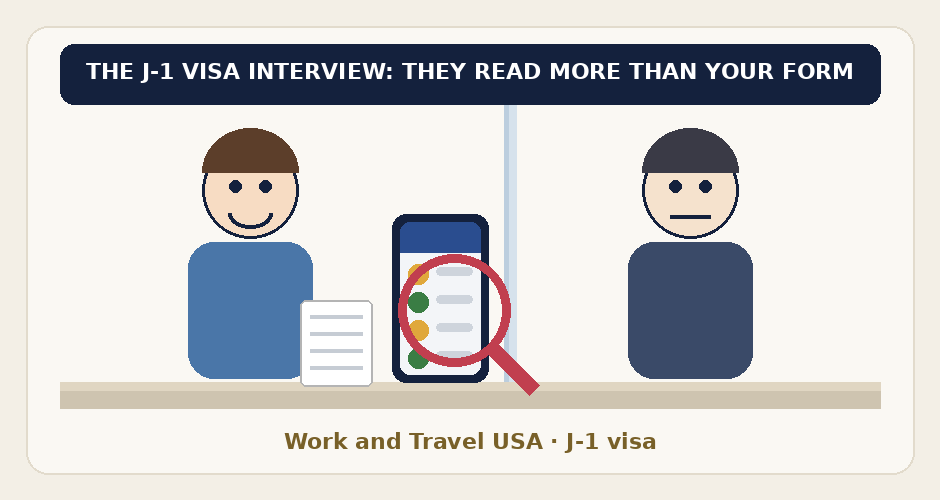

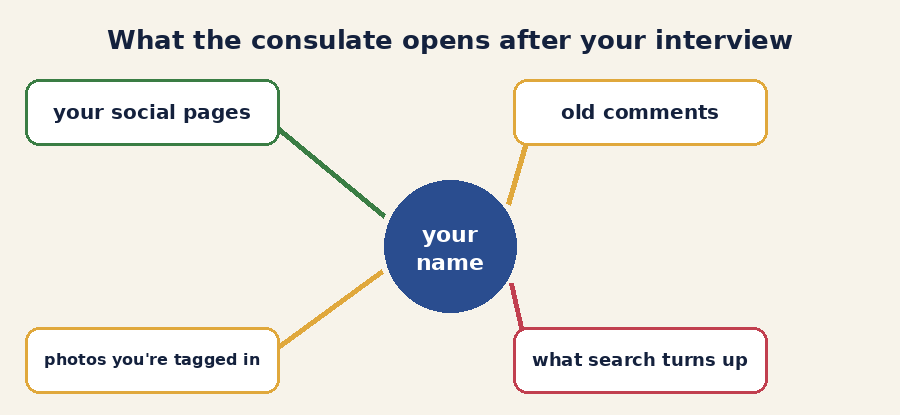
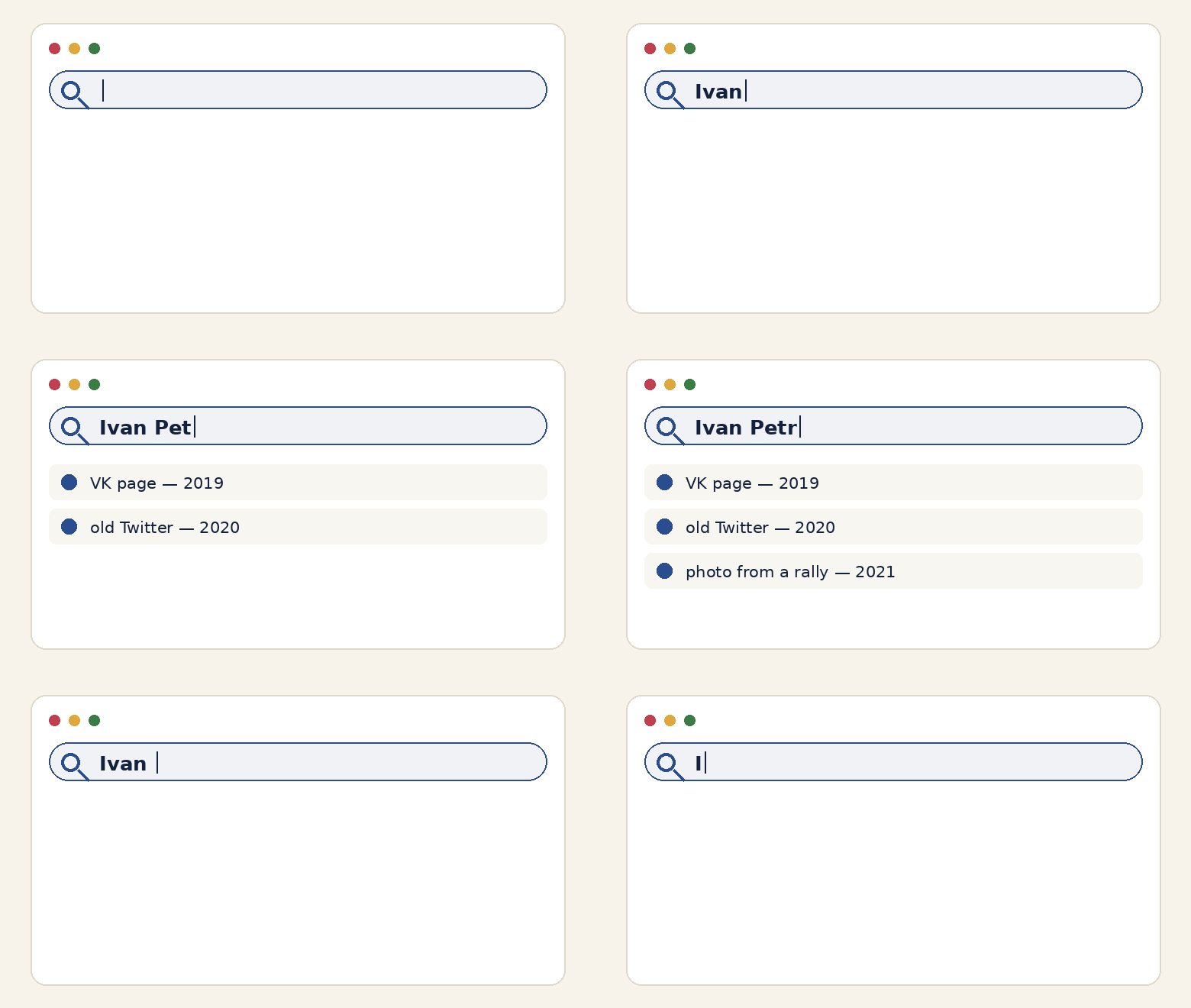


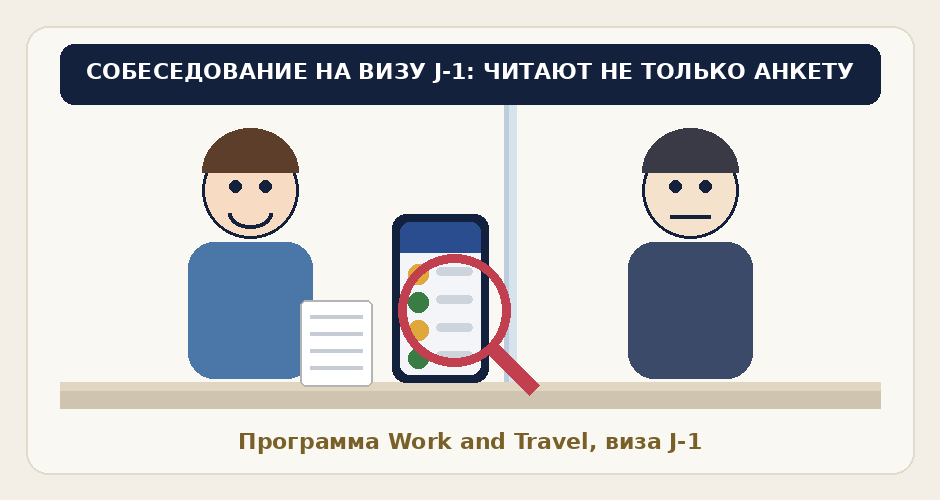
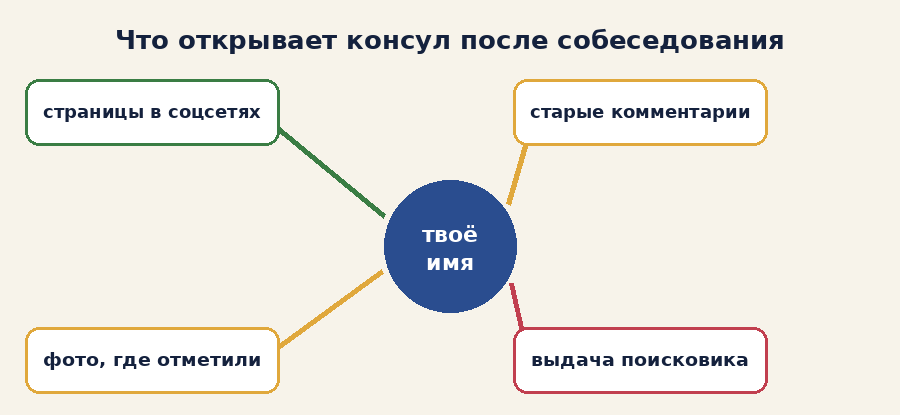

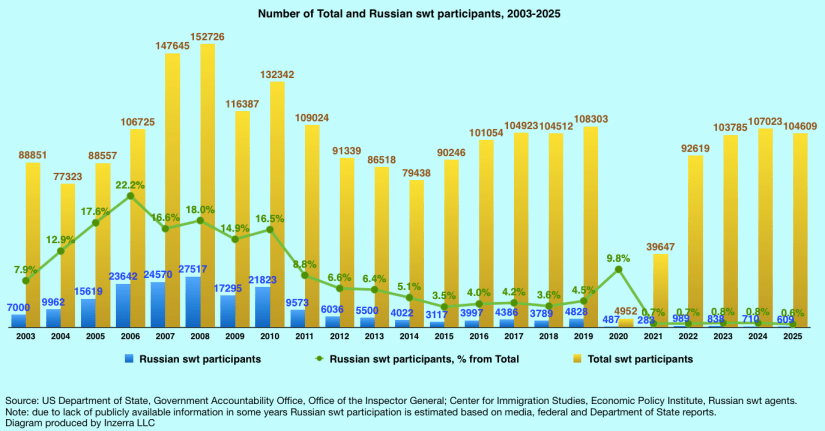
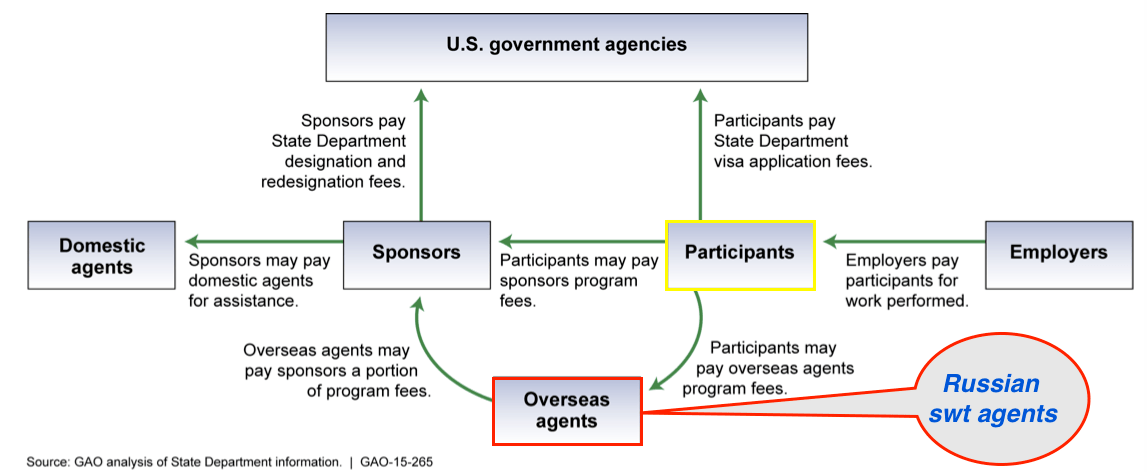
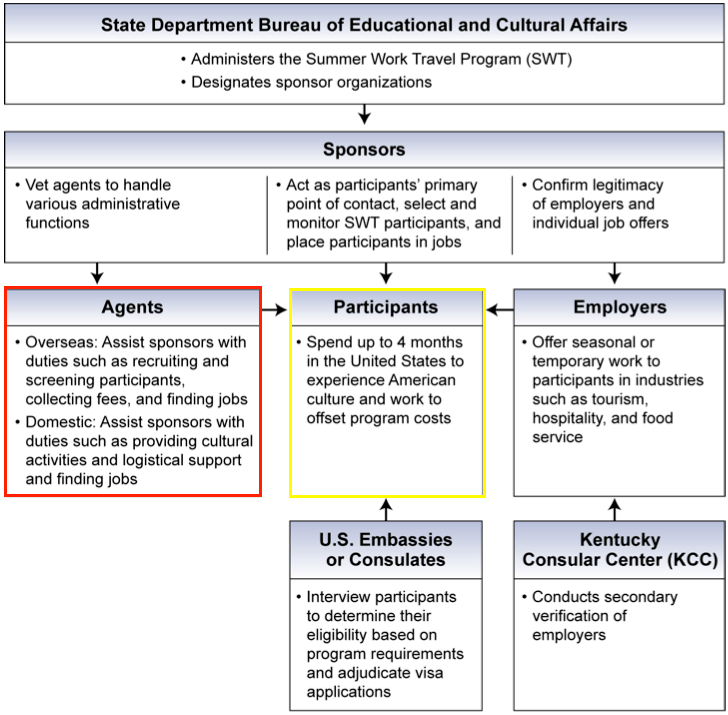

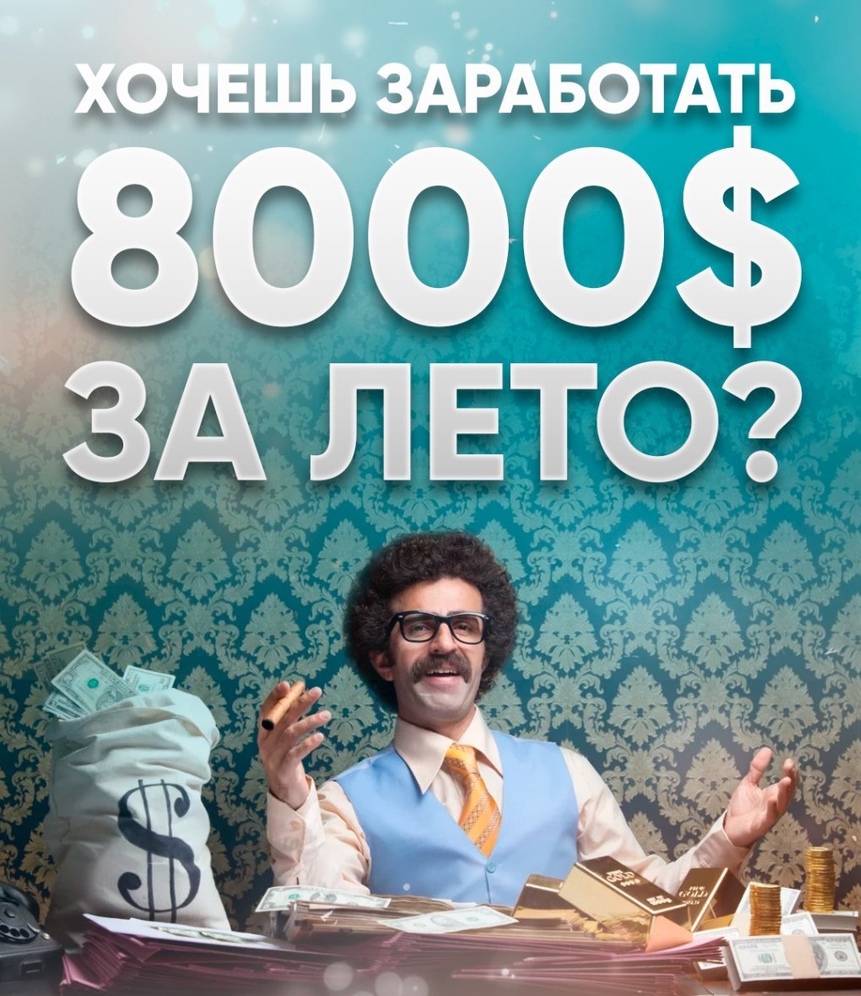
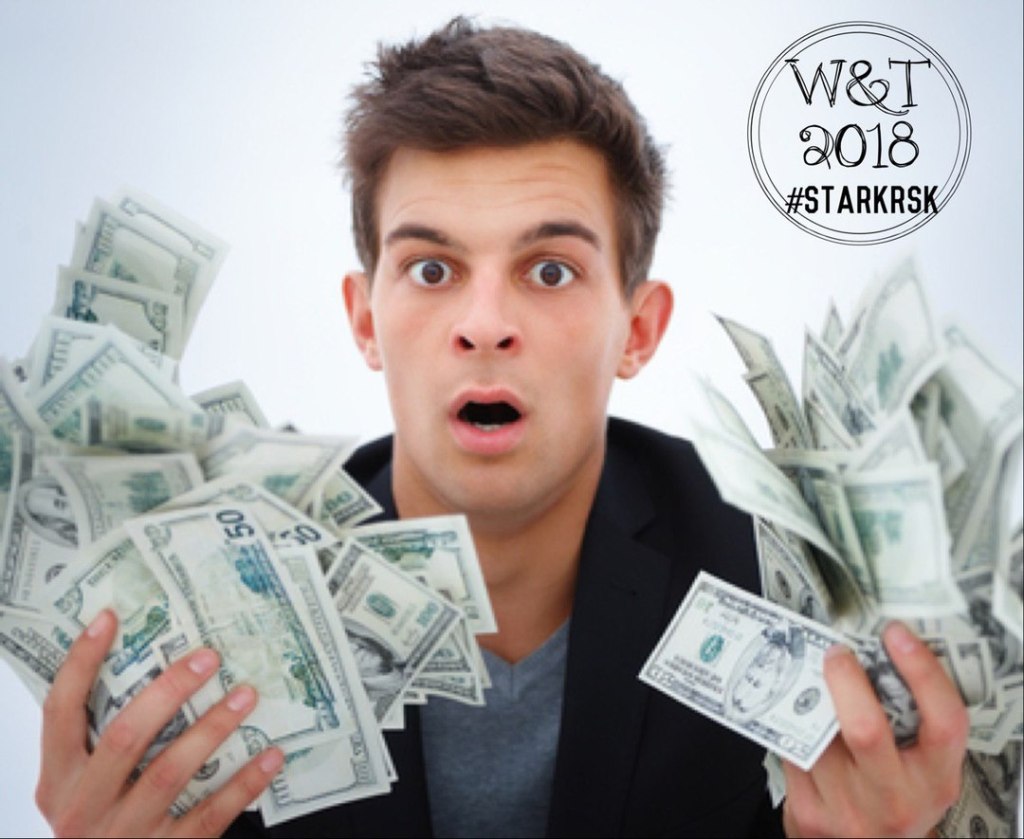
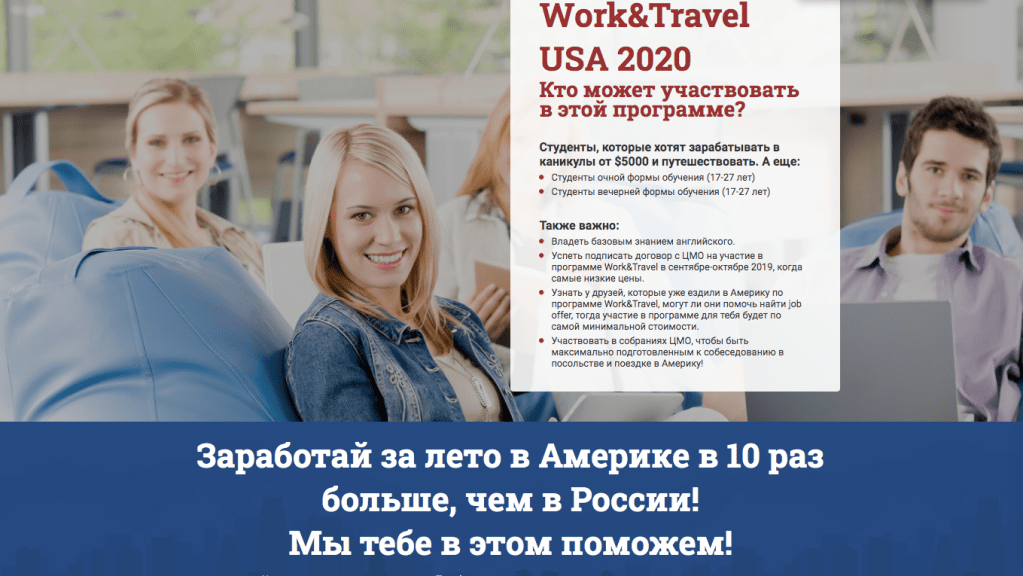

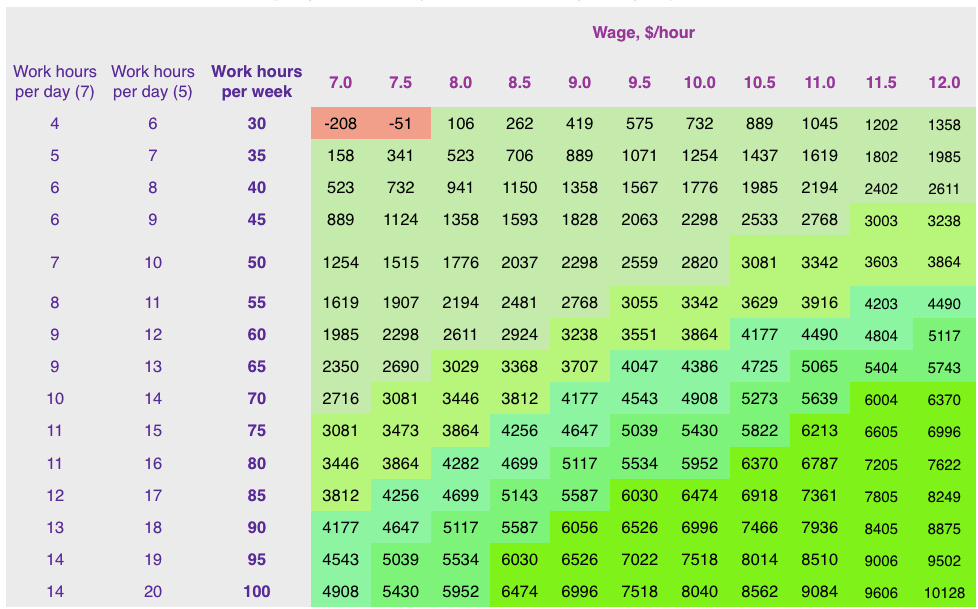
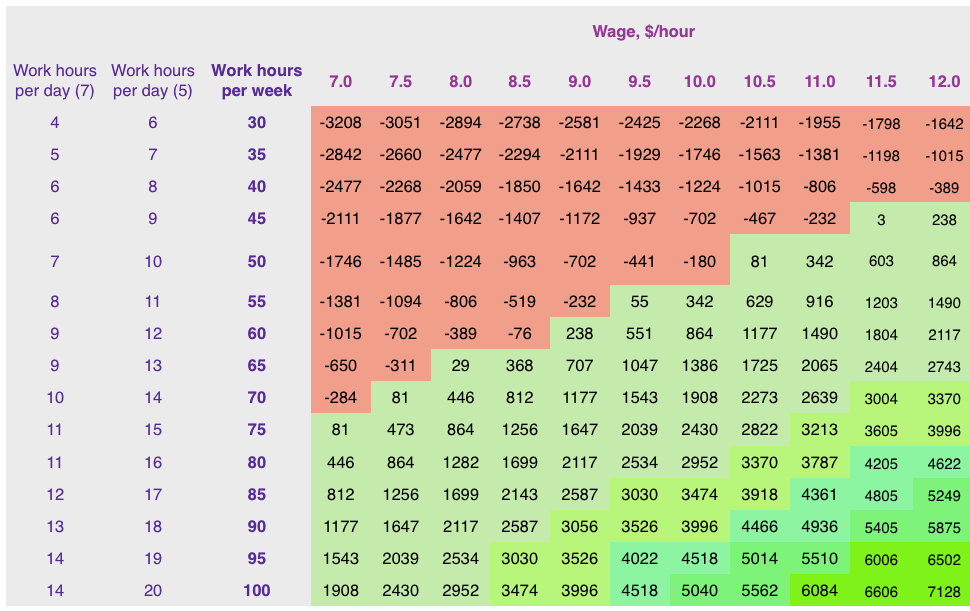
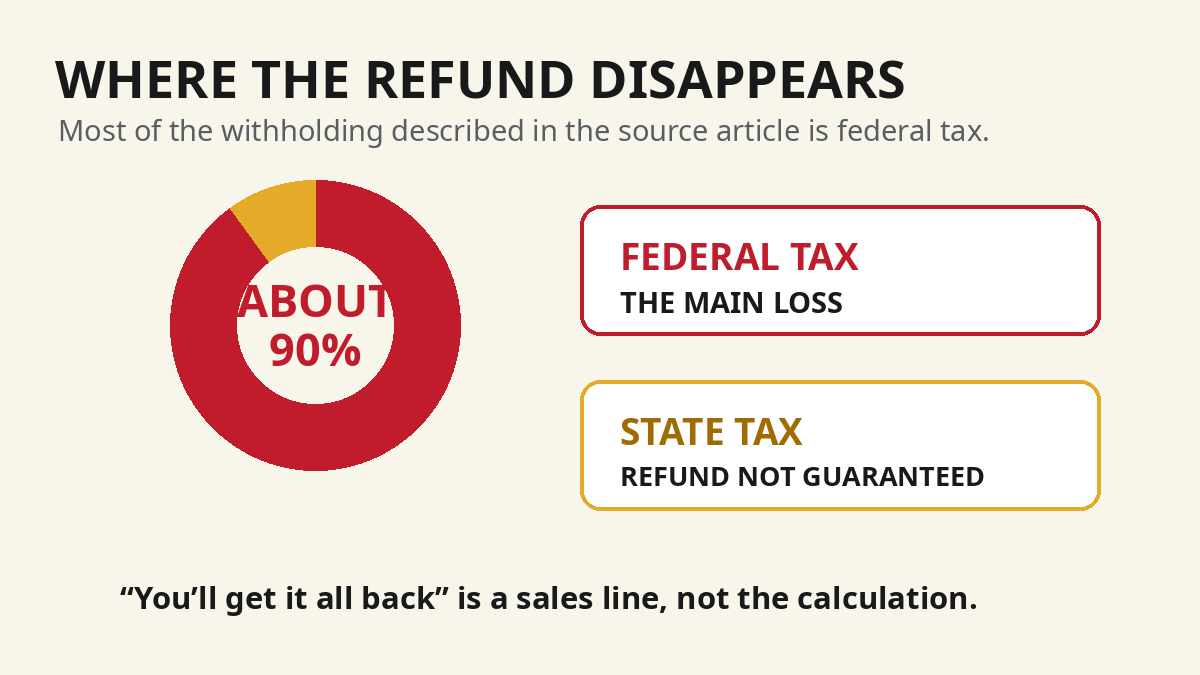
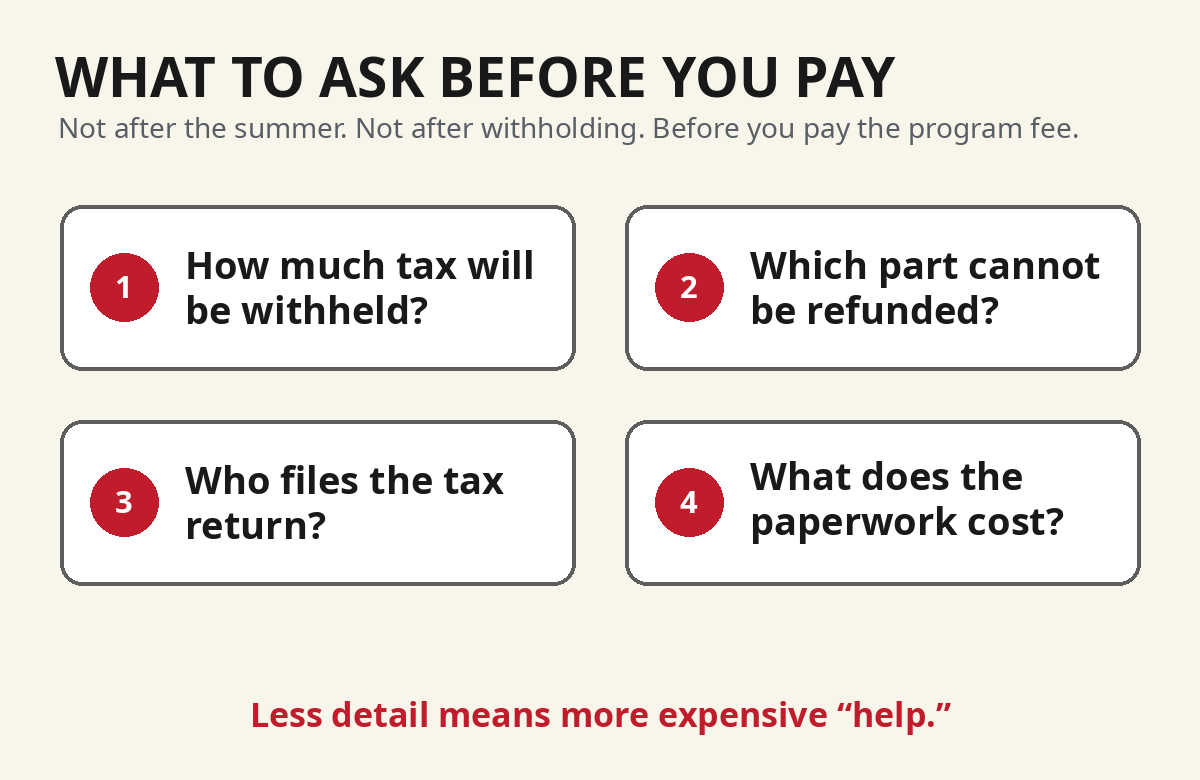

 comingtoamerika.com