

About this study
This report is a product of 24 month-long research and a comprehensive overview of the J-1 Summer Work and Travel program, with Russia and its neighbors (Ukraine, Belarus, Kazakhstan) used as the research example. It provides information about the initial outreach to potential program participants — the recruitment phase — a little known and rarely discussed aspect of the program. The report describes multiple serious program violations identified and researched during the study. Taken together with collected empirical evidence, the analysis may become a starting point for major structural reforms and possibly a global class action lawsuit.
This research is unique since no prior thorough analysis of swt recruitment has ever been published. Most of the report is based on data meticulously collected from primary and secondary sources, further validated by our own participating experience. It is credible because it is based on first-hand documented information, not some over-the-ocean speculations. We interviewed hundreds of Russian swt participants and their families, spoke with university personnel, current and former agents, attended presentations, reviewed thousands of relevant pages and dug through Russian swt media coverage. We also looked at credible reports from US nonprofit organizations and US diplomatic cables posted on Wikileaks.
In this study we first look at the history and evolution of the swt program. Then we describe in detail how overseas agents, vetted by American sponsors, grossly mislead swt applicants and essentially set them up for failure. We describe the factors that shape the operating mentality of recruiting agents. Then we examine the “deaf telephone effect”. The analysis helps to understand why and how this noble diplomatic initiative has been perverted into a giant guestworker enterprise. We describe at length violations by Russian agents and US sponsors. Finally, we evaluate the “success” of the program and assess the damage it causes to American interests abroad.
Thousands of foreign students have come annually to the US as part of the J-1 Summer Work and Travel USA program (swt). The American public usually has no idea how foreign youth gets recruited into the program, how much time and money participants invest and why they actually come. Neither can Americans gauge the overall success of the program and its impact on the US reputation abroad. What happens before international visitors come to the US and after they leave is beyond the reach of Americans. The long-term impact of the program on US foreign affairs can only be observed from overseas, and it typically takes a lot of time and commitment to perform the analysis. This report furnishes such important information and provides an evaluation of the swt program’s execution abroad.
Here are those same statistics — only alive this time: pick years and countries, open the complete official top-20 lists, and compare anyone against anyone.
7.9%
12.9%
17.6%
22.2%
16.6%
18.0%
14.9%
16.5%
8.8%
6.6%
6.4%
5.1%
3.5%
4.0%
4.2%
3.6%
4.5%
9.8%
0.7%
1.1%
0.8%
0.6%
0.6%
2003 · 88,851 participants
No country-by-country breakdown was published for this year: Figure 1 provides only the worldwide total and Russia.
2004 · 77,323 participants
No country-by-country breakdown was published for this year: Figure 1 provides only the worldwide total and Russia.
2005 · 88,557 participants
No country-by-country breakdown was published for this year: Figure 1 provides only the worldwide total and Russia.
2006 · 106,725 participants
No country-by-country breakdown was published for this year: Figure 1 provides only the worldwide total and Russia.
2007 · 147,645 participants
No country-by-country breakdown was published for this year: Figure 1 provides only the worldwide total and Russia.
2008 · 152,726 participants
No country-by-country breakdown was published for this year: Figure 1 provides only the worldwide total and Russia.
2009 · 116,387 participants
No country-by-country breakdown was published for this year: Figure 1 provides only the worldwide total and Russia.
2010 · 132,342 participants
No country-by-country breakdown was published for this year: Figure 1 provides only the worldwide total and Russia.
2011 · 109,024 participants
No country-by-country breakdown was published for this year: Figure 1 provides only the worldwide total and Russia.
2012 · 91,339 participants
No country-by-country breakdown was published for this year: Figure 1 provides only the worldwide total and Russia.
2013 · 86,518 participants
No country-by-country breakdown was published for this year: Figure 1 provides only the worldwide total and Russia.
2014 · 79,438 participants
No country-by-country breakdown was published for this year: Figure 1 provides only the worldwide total and Russia.
2015 · 90,246 participants
No country-by-country breakdown was published for this year: Figure 1 provides only the worldwide total and Russia.
2016 · 101,054 participants
No country-by-country breakdown was published for this year: Figure 1 provides only the worldwide total and Russia.
2017 · 104,923 participants
Where they were placed: the top 20 receiving states, 2017
2018 · 104,512 participants
Where they were placed: the top 20 receiving states, 2018
2019 · 108,303 participants
Where they were placed: the top 20 receiving states, 2019
2020 · 4,952 participants
Where they were placed: the top 20 receiving states, 2020
2021 · 39,647 participants
Where they were placed: the top 20 receiving states, 2021
2022 · 92,619 participants
Where they were placed: the top 20 receiving states, 2022
2023 · 103,785 participants
Where they were placed: the top 20 receiving states, 2023
2024 · 107,023 participants
Where they were placed: the top 20 receiving states, 2024
2025 · 104,609 participants
Where they were placed: the top 20 receiving states, 2025
The official chart from the source article (Figure 1)
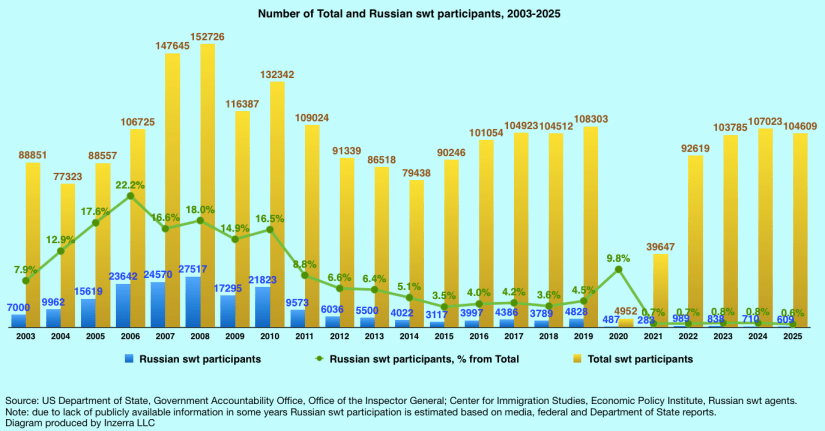
Russia provides plenty of relevant information since roughly 200,000 Russians participated in the program between 2003 and 2025, at the 2008 peak supplying 27,517 students in a single summer. Although focused on Russia, there is a strong indication that findings from this study can be applied to other swt participating countries. Indeed, observation of and conversations with participants from other countries indicate that the findings are applicable to the wide universe of swt participants. Be it Russia, China, Brazil or Peru — swt recruiting practices appear to exhibit similar corrupt characteristics.
This Russia-focused swt research is valuable because of the geographic shift in swt participating countries — in recent decades Eastern Europeans dominated the program. To be precise, the shift happened from developed to developing countries. The report explains why such a phenomenon — a “quality shift” as we call it — occurred: essentially, sponsors could not mislead thousands of Europeans into cleaning American toilets while charging high fees and providing no service in return.
At a Glance: All 36 Countries, 2017 → 2025
The big picture for choosing whom to compare: one row per country, nine columns for the years. Exact figures live in each country’s chart below (and in the hover tooltips). A flat gray mark means the country missed the official top 20 that year.
Nine-Year Totals: 2017 → 2025, All 36 Countries Ranked
Each country’s total for 2017–2025 and its share of the 770,373 participants who joined worldwide over these nine years. For countries that missed the official top 20 in some years, the total is a lower bound (marked ≥) — those years’ figures were never published. Together, the 36 countries listed account for at least 632,800 participants (82.1% of the period); the remainder came from countries that never reached a yearly top 20.
Jamaica · 8,721 in 2025
6.4%
7.4%
6.8%
5.3%
9.4%
6.0%
7.3%
8.0%
8.3%
Its best year is the latest one, 2025: 8,721 people (8.3% of all participants worldwide). Total for 2017–2025: 56,197 — 7.3% of the 770,373 participants worldwide over these nine years.
Peru · 7,153 in 2025
5.6%
6.8%
6.1%
0.8%
12.5%
9.0%
8.0%
6.6%
6.8%
Best year on record — 2022: 8,338 people (9.0% of all participants worldwide). In 2025 — 7,153 (6.8%). Total for 2017–2025: 55,452 — 7.2% of the 770,373 participants worldwide over these nine years.
Mexico · 7,678 in 2025
2.5%
3.2%
3.6%
2.5%
10.5%
6.3%
6.8%
7.0%
7.3%
Its best year is the latest one, 2025: 7,678 people (7.3% of all participants worldwide). Total for 2017–2025: 42,219 — 5.5% of the 770,373 participants worldwide over these nine years.
Dominican Republic · 4,755 in 2025
3.3%
4.9%
6.3%
—
13.8%
8.8%
6.3%
4.7%
4.5%
Best year on record — 2022: 8,107 people (8.8% of all participants worldwide). In 2025 — 4,755 (4.5%). Known total for 2017–2025: at least 45,217 — at least 5.9% of the 770,373 participants worldwide (years outside the top 20 are not counted).
Ecuador · 5,330 in 2025
—
2.0%
2.4%
34.4%
3.3%
4.9%
4.9%
5.4%
5.1%
Best year on record — 2024: 5,761 people (5.4% of all participants worldwide). In 2025 — 5,330 (5.1%). Known total for 2017–2025: at least 28,411 — at least 3.7% of the 770,373 participants worldwide (years outside the top 20 are not counted).
Argentina · 4,441 in 2025
2.8%
2.6%
3.2%
1.7%
9.5%
5.7%
4.6%
4.4%
4.2%
Best year on record — 2022: 5,235 people (5.7% of all participants worldwide). In 2025 — 4,441 (4.2%). Total for 2017–2025: 32,065 — 4.2% of the 770,373 participants worldwide over these nine years.
Colombia · 3,933 in 2025
—
—
1.9%
—
6.3%
5.1%
5.5%
5.4%
3.8%
Best year on record — 2024: 5,826 people (5.4% of all participants worldwide). In 2025 — 3,933 (3.8%). Known total for 2017–2025: at least 24,816 — at least 3.2% of the 770,373 participants worldwide (years outside the top 20 are not counted).
Brazil · 1,791 in 2025
—
1.8%
1.8%
1.0%
2.6%
2.9%
2.3%
1.8%
1.7%
Best year on record — 2022: 2,668 people (2.9% of all participants worldwide). In 2025 — 1,791 (1.7%). Known total for 2017–2025: at least 13,654 — at least 1.8% of the 770,373 participants worldwide (years outside the top 20 are not counted).
Chile · 1,812 in 2024
—
—
—
2.0%
3.7%
2.2%
2.3%
1.7%
—
Best year on record — 2023: 2,368 people (2.3% of all participants worldwide). Latest data — 2024: 1,812 people. The country has not made the top 20 since. Known total for 2017–2025: at least 7,792 — at least 1.0% of the 770,373 participants worldwide (years outside the top 20 are not counted).
Paraguay · 1,365 in 2023
—
—
—
0.3%
2.1%
1.5%
1.3%
—
—
Best year on record — 2022: 1,380 people (1.5% of all participants worldwide). Latest data — 2023: 1,365 people. The country has not made the top 20 since. Known total for 2017–2025: at least 3,611 — at least 0.5% of the 770,373 participants worldwide (years outside the top 20 are not counted).
Romania · 6,111 in 2025
6.4%
6.2%
6.3%
2.9%
6.1%
5.0%
5.2%
5.7%
5.8%
Best year on record — 2019: 6,840 people (6.3% of all participants worldwide). In 2025 — 6,111 (5.8%). Total for 2017–2025: 44,808 — 5.8% of the 770,373 participants worldwide over these nine years.
Bulgaria · 3,749 in 2025
4.3%
4.0%
4.0%
4.5%
1.8%
2.1%
3.1%
3.5%
3.6%
Best year on record — 2017: 4,562 people (4.3% of all participants worldwide). In 2025 — 3,749 (3.6%). Total for 2017–2025: 26,632 — 3.5% of the 770,373 participants worldwide over these nine years.
Ireland · 3,582 in 2025
4.0%
3.4%
3.1%
—
—
4.0%
3.5%
3.5%
3.4%
Best year on record — 2017: 4,190 people (4.0% of all participants worldwide). In 2025 — 3,582 (3.4%). Known total for 2017–2025: at least 25,713 — at least 3.3% of the 770,373 participants worldwide (years outside the top 20 are not counted).
Spain · 2,262 in 2025
—
—
—
—
—
1.3%
1.6%
1.9%
2.2%
Its best year is the latest one, 2025: 2,262 people (2.2% of all participants worldwide). Known total for 2017–2025: at least 7,146 — at least 0.9% of the 770,373 participants worldwide (years outside the top 20 are not counted).
Poland · 1,272 in 2025
3.0%
3.0%
2.7%
—
—
1.2%
1.2%
—
1.2%
Best year on record — 2017: 3,143 people (3.0% of all participants worldwide). In 2025 — 1,272 (1.2%). Known total for 2017–2025: at least 12,853 — at least 1.7% of the 770,373 participants worldwide (years outside the top 20 are not counted).
Slovakia · 1,417 in 2024
2.6%
2.2%
1.9%
—
—
—
—
1.3%
—
Best year on record — 2017: 2,689 people (2.6% of all participants worldwide). Latest data — 2024: 1,417 people. The country has not made the top 20 since. Known total for 2017–2025: at least 8,487 — at least 1.1% of the 770,373 participants worldwide (years outside the top 20 are not counted).
Serbia · 1,378 in 2025
3.5%
2.1%
—
—
—
—
—
—
1.3%
Best year on record — 2017: 3,690 people (3.5% of all participants worldwide). In 2025 — 1,378 (1.3%). Known total for 2017–2025: at least 7,278 — at least 0.9% of the 770,373 participants worldwide (years outside the top 20 are not counted).
Croatia · 1,587 in 2025
—
—
—
—
1.0%
—
1.2%
1.5%
1.5%
Best year on record — 2024: 1,618 people (1.5% of all participants worldwide). In 2025 — 1,587 (1.5%). Known total for 2017–2025: at least 4,872 — at least 0.6% of the 770,373 participants worldwide (years outside the top 20 are not counted).
Montenegro · 995 in 2022
—
—
—
—
1.0%
1.1%
—
—
—
Its best year is the latest one, 2022: 995 people (1.1% of all participants worldwide). Known total for 2017–2025: at least 1,375 — at least 0.2% of the 770,373 participants worldwide (years outside the top 20 are not counted).
Czech Republic · 1,804 in 2018
2.0%
1.7%
—
—
—
—
—
—
—
Best year on record — 2017: 2,116 people (2.0% of all participants worldwide). Latest data — 2018: 1,804 people. The country has not made the top 20 since. Known total for 2017–2025: at least 3,920 — at least 0.5% of the 770,373 participants worldwide (years outside the top 20 are not counted).
Lithuania · 9 in 2020
—
—
1.7%
0.2%
—
—
—
—
—
Best year on record — 2019: 1,815 people (1.7% of all participants worldwide). Latest data — 2020: 9 people. The country has not made the top 20 since. Known total for 2017–2025: at least 1,824 — at least 0.2% of the 770,373 participants worldwide (years outside the top 20 are not counted).
Moldova · 11 in 2020
—
—
—
0.2%
—
—
—
—
—
Its best year is the latest one, 2020: 11 people (0.2% of all participants worldwide). Known total for 2017–2025: at least 11 — at least 0.0% of the 770,373 participants worldwide (years outside the top 20 are not counted).
Russia · 609 in 2025
7.9%
12.9%
17.6%
22.2%
16.6%
18.0%
14.9%
16.5%
8.8%
6.6%
6.4%
5.1%
3.5%
4.0%
4.2%
3.6%
4.5%
9.8%
0.7%
1.1%
0.8%
0.6%
0.6%
Best year on record — 2019: 4,828 people (4.5% of all participants worldwide). In 2025 — 609 (0.6%). Total for 2017–2025: 16,829 — 2.2% of the 770,373 participants worldwide over these nine years.
* 2022–2025: Russia was outside the official top 20; the values are taken from Figure 1. On a phone, the chart pans sideways.
Kazakhstan · 4,527 in 2025
2.1%
—
1.3%
—
1.8%
2.3%
3.1%
3.4%
4.3%
Its best year is the latest one, 2025: 4,527 people (4.3% of all participants worldwide). Known total for 2017–2025: at least 17,918 — at least 2.3% of the 770,373 participants worldwide (years outside the top 20 are not counted).
Ukraine · 10 in 2020
2.5%
—
—
0.2%
—
—
—
—
—
Best year on record — 2017: 2,653 people (2.5% of all participants worldwide). Latest data — 2020: 10 people. The country has not made the top 20 since. Known total for 2017–2025: at least 2,663 — at least 0.3% of the 770,373 participants worldwide (years outside the top 20 are not counted).
Belarus · 25 in 2020
—
—
—
0.5%
—
—
—
—
—
Its best year is the latest one, 2020: 25 people (0.5% of all participants worldwide). Known total for 2017–2025: at least 25 — at least 0.0% of the 770,373 participants worldwide (years outside the top 20 are not counted).
Thailand · 8,275 in 2025
5.2%
5.5%
5.7%
5.5%
5.1%
7.4%
7.3%
7.2%
7.9%
Its best year is the latest one, 2025: 8,275 people (7.9% of all participants worldwide). Total for 2017–2025: 50,135 — 6.5% of the 770,373 participants worldwide over these nine years.
Turkey · 5,439 in 2025
5.7%
5.8%
7.0%
18.3%
2.2%
7.5%
6.8%
5.6%
5.2%
Best year on record — 2019: 7,548 people (7.0% of all participants worldwide). In 2025 — 5,439 (5.2%). Total for 2017–2025: 46,933 — 6.1% of the 770,373 participants worldwide over these nine years.
China · 2,323 in 2025
5.7%
5.7%
5.9%
—
—
—
—
1.8%
2.2%
Best year on record — 2019: 6,413 people (5.9% of all participants worldwide). In 2025 — 2,323 (2.2%). Known total for 2017–2025: at least 22,614 — at least 2.9% of the 770,373 participants worldwide (years outside the top 20 are not counted).
Taiwan · 1,694 in 2019
1.9%
1.8%
1.6%
—
—
—
—
—
—
Best year on record — 2017: 1,982 people (1.9% of all participants worldwide). Latest data — 2019: 1,694 people. The country has not made the top 20 since. Known total for 2017–2025: at least 5,593 — at least 0.7% of the 770,373 participants worldwide (years outside the top 20 are not counted).
Mongolia · 2,097 in 2025
—
—
—
—
0.7%
1.2%
1.7%
2.2%
2.0%
Best year on record — 2024: 2,307 people (2.2% of all participants worldwide). In 2025 — 2,097 (2.0%). Known total for 2017–2025: at least 7,579 — at least 1.0% of the 770,373 participants worldwide (years outside the top 20 are not counted).
Philippines · 3,470 in 2018
3.8%
3.3%
—
—
—
—
—
—
—
Best year on record — 2017: 4,037 people (3.8% of all participants worldwide). Latest data — 2018: 3,470 people. The country has not made the top 20 since. Known total for 2017–2025: at least 7,507 — at least 1.0% of the 770,373 participants worldwide (years outside the top 20 are not counted).
New Zealand · 225 in 2020
—
—
—
4.5%
—
—
—
—
—
Its best year is the latest one, 2020: 225 people (4.5% of all participants worldwide). Known total for 2017–2025: at least 225 — at least 0.0% of the 770,373 participants worldwide (years outside the top 20 are not counted).
Australia · 165 in 2020
—
—
—
3.3%
—
—
—
—
—
Its best year is the latest one, 2020: 165 people (3.3% of all participants worldwide). Known total for 2017–2025: at least 165 — at least 0.0% of the 770,373 participants worldwide (years outside the top 20 are not counted).
Jordan · 9 in 2020
—
—
—
0.2%
—
—
—
—
—
Its best year is the latest one, 2020: 9 people (0.2% of all participants worldwide). Known total for 2017–2025: at least 9 — at least 0.0% of the 770,373 participants worldwide (years outside the top 20 are not counted).
Nigeria · 252 in 2021
—
—
—
—
0.6%
—
—
—
—
Its best year is the latest one, 2021: 252 people (0.6% of all participants worldwide). Known total for 2017–2025: at least 252 — at least 0.0% of the 770,373 participants worldwide (years outside the top 20 are not counted).
Why embittered?
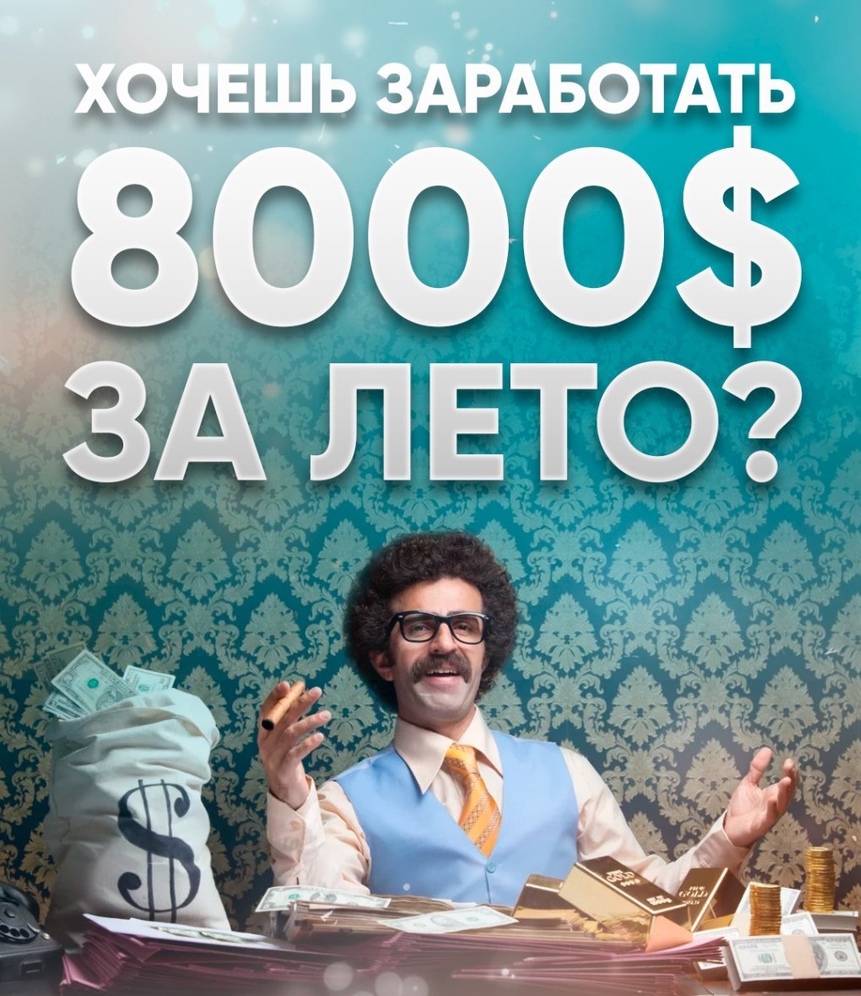
Agents promised $5,000–$8,000 in “average” earnings, travel across America and a once-in-a-lifetime opportunity. What awaited students instead were minimum-wage placements, menial work and 14-plus-hour shifts — some cultural exchange.
What does one spin of the cylinder cost?
In Russia, participation runs about $3,000 — roughly ten months of personal income. One square below is one month’s income:
And what in return?
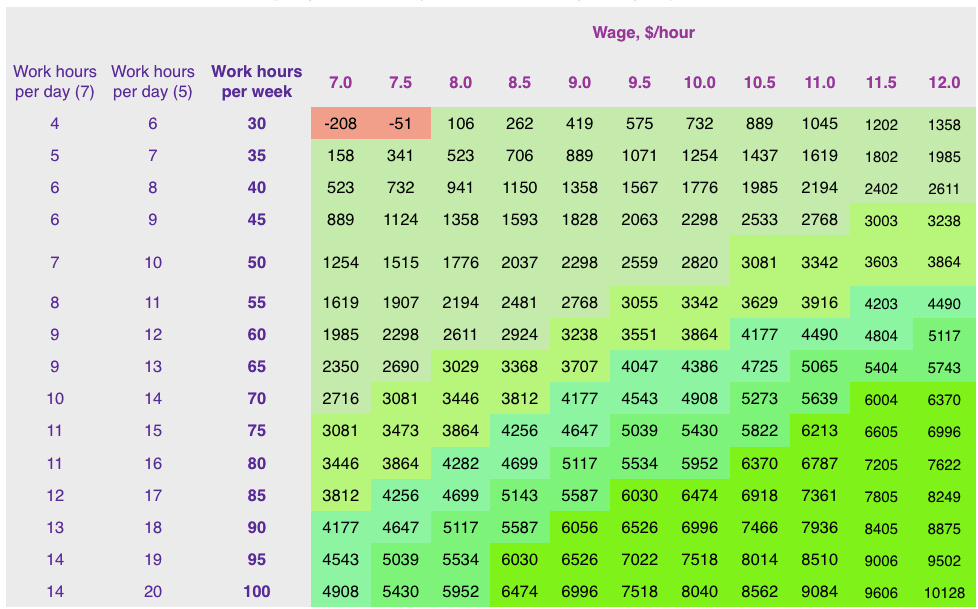
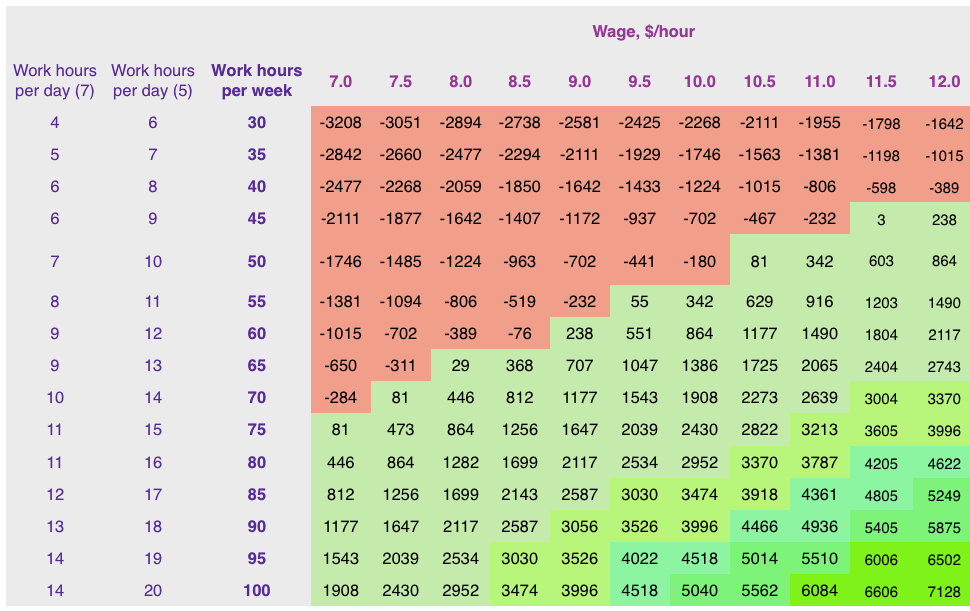
Cross-cultural activities worth $20. That, per the study’s math, is what the program actually delivers to a student in exchange for the $3,000. The CEOs of the “nonprofit” sponsors, meanwhile, make $250,000 a year — sometimes up to $750,000. The detailed earnings and payback math is in Figures 8 and 9 below.
SWT Recruitment. Why bother?
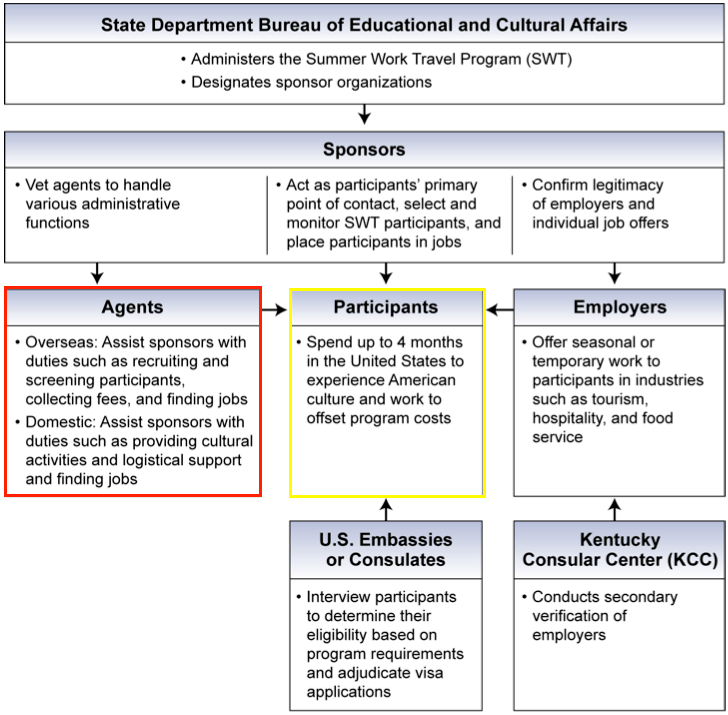
Many of the swt problems have been well documented in the American press. Multiple reports discussed problems with the program and revealed abuse of participants by various swt entities. However, no attention has been devoted to swt recruitment, since it is difficult for American activists to assess this phase. In their analysis they have to rely on incomplete information from young visitors who are under enormous pressure to tackle multiple challenges in a foreign country. Participants often struggle to recall even very basic information about the program. Such a setup, and the lack of attention in American media to the recruitment phase, both causes and simultaneously indicates the opaque nature of swt recruitment abroad. This report fills the gap and provides first-hand information about swt recruiting overseas. For general reference, Figures 3 and 4 below represent the relative position of Russian agents in the swt chain.
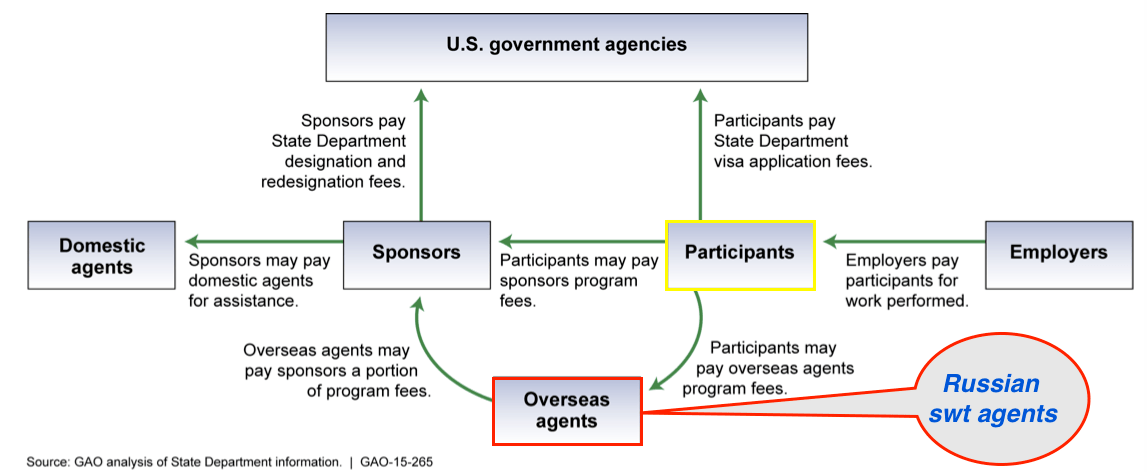
The recruitment stage is critical because, based on the information provided by recruiting agents, swt applicants make the ultimate decision to participate in the program or not. As such, truthfulness of marketing materials is very important. The US Department of State (DoS) itself acknowledged that misleading information in the recruitment process can be a problem because “The foreign entities’ initial outreach to potential program participants sets the stage for participants’ expectations about the Summer Work Travel Program” [33].
As this study shows, overseas agents mislead swt applicants to maximize participation and increase profits both for agents and sponsors. Instead of facilitating genuine cultural exchanges, agents merely serve as paid labor brokers motivated entirely by financial incentives. In order to maximize recruitment and revenues, for-profit Russian agents often lie to prospective participants about the program.
Driven by revenue maximization goals, foreign agents — partners of US sponsors — routinely fail their fundamental responsibility of proper recruitment. Utilizing false advertising, fraud and misrepresentation, agents mislead students into signing up for the program and recruit all kinds of unqualified students.
Lack of proper oversight from American sponsors creates an atmosphere in which program regulations are ignored and participants are cheated. Because DoS and sponsors almost never conduct overseas site visits, the foreign agents essentially operate in complete autonomy. In a no-oversight environment, foreign agents become their own bosses, and it is up to them how they conduct swt recruiting. Lack of good governance leads to the development of permissiveness and a feeling of impunity among agents. Due to sponsors’ dependence on foreign agents in supplying fee-paying participants, the sponsors ignore corrupt recruiting practices of Russian agents. As a result, agents form an impression that as long as they “hit numbers” everything else does not really matter. Once they recruit students and send them to the US, their “mission becomes accomplished”. And no one really cares how they achieve it.
No wonder foreign agents merely serve as extensions of the global for-profit swt enterprise run by DoS-designated sponsors. Agents are salespeople hired by sponsors. However, no swt rules directly apply to foreign agents — the sponsors are entirely responsible for agents’ actions abroad. Profit-driven sponsors are obligated to vet agents who generate millions of dollars for them annually. Such a glaring conflict of interests sets the stage for swt corruption and victimizes swt participants.
SWT cosmetic reforms
Twenty years ago a high-level DoS official in charge of the swt program declared that the swt program does not “operate under Fulbright-Hays authority — period, the end” [132]. But SWT program rules are written by the US Department of State. So how can we expect meaningful reforms that would bring the swt program into compliance with the FH Act? Indeed, the history of the program shows we can not (see the study for details).
The US Department of State, after public outcry, hastily amended swt federal regulations in 2011 and 2012 and introduced tighter restrictions. Because of egregious violations it specifically included Russian-speaking countries in the pilot program with much stricter requirements.
However, after multiple revisions of the swt legislation, serious swt problems still persist. Either DoS is not doing enough to incorporate all learnings, or it is not willing to fix them. In fact, GAO in 2018 noted that none of the three major recommendations made by GAO in 2015 had been finalized [74]. As of September 2020 they still remained open. But even that is not the main issue here. The bigger problem is that fundamentally SWT regulations have not changed. Worse, there are no meaningful reforms slated for upcoming years. Therefore, swt problems will resurface in the future. For example, GAO in 2015 cited: “State also acknowledged an increase in SWT-related complaints regarding, for example, improper or unsafe job placements, fraudulent job offers, post-arrival job cancellations, inappropriate work hours, and problems regarding housing and transportation” [19]. Similarly, the DoS 2016 monitoring report described problems with the program. As evidenced by recent Russian participants and various reports, swt students continue to work late nights, 14 and more hours a day. There are tons of other evidence pointing at the systemic failure of swt “reforms”.
Although there was a lot of noise in the US about swt reforms, it did not really impact the operational mentality of Russian swt agents. In fact, this study has not noticed material improvement in recruiting practices since 2006. The “untouchable” nature of the foreign agents and their privileged relationship with sponsors allows them to continue misleading applicants. The whole system of sponsors and agents being commercial partners and parts of the same enterprise precludes any effective oversight and enforcement of regulations. It is highly unlikely that a corrupt foreign agent gets sanctioned — sponsors and State instead protect them. The murky DoS-Russian agents relationship, discussed in the report, fits well within the plausible deniability formula employed overseas by the DoS (remember Blackwater?).
The DoS stated that “We strongly believe that this is a cultural exchange, and we believe summer work travel belongs in the state department. The participants are meant to interact with Americans to improve their English. The goals of our program are very different from a labor program, and I hope people realize that” [94].
However, the contrast between what the DoS-designated sponsors are saying in the US and doing overseas is egregious. In the US, sponsors continue to deny facts and tout the program as “cultural exchange”. But overseas, foreign agents, vetted by American sponsors, continue to promise “piles of cash” and “bags of money” to thousands of swt applicants. As a result, swt participants often accumulate large debts and are forced to live and work in slavery conditions. This process of setting swt applicants up for failure from the very beginning is thoroughly described in the study.

Gross misrepresentation, fraudulent marketing and misconduct
American sponsors and Russian agents failed to abide by updated swt regulations and continued to engage in deceptive practices. To the contrary, despite sponsors’ public assurances, Russian agents, as evidenced by advertisements and student complaints, did not rectify marketing materials and continued to provide false program information to prospective participants. Sponsors and agents continue using deceptive marketing in order to maximize recruitment.
Agents employ fraudulent marketing — swt applicants are grossly misled to believe, among other things, that the earnings during the summer employment are much higher than the cost of participation in the program. Applicants are misled to believe they would make thousands in cash, travel across America and get many other cool things from the program. In reality, not only do participants not engage in meaningful cultural exchange activities as prescribed by the FH Act and not make the promised “mountains of cash” (Figures 8, 9) — as a result of misleading marketing and the program’s fixed high cost, participants become extremely vulnerable to severe exploitation. The report provides more details.
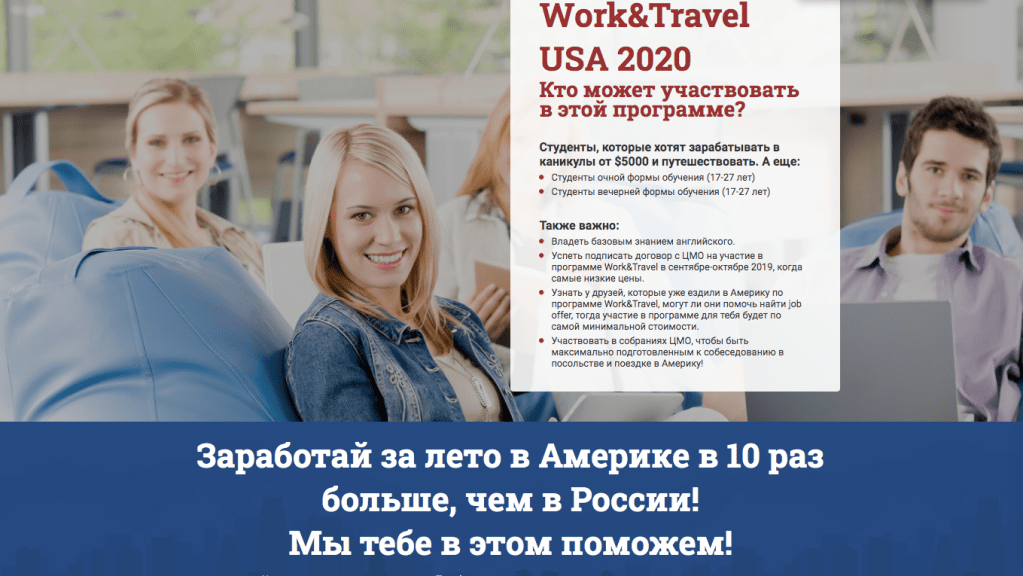
For many years, agents represented in advertising and communication with participants that the swt program is a once-in-a-lifetime opportunity with a 100% guarantee of program repayment. Moreover, agents promised $5,000–$8,000 of earnings “on average” (Figures 6, 7). For instance, a direct mail solicitation sent to prospective participants provided an exaggerated and incorrect earnings calculation. At program presentations, agents played a video featuring American iconic places and bags of American banknotes, thereby shaping a false representation of the program among prospective participants.
But agents knew beforehand the unreality of the promised program perks and that the promises were incompatible with the program’s fundamental objective of cultural exchange. The agents’ representation of the program was false, and agents were aware that this representation was false. Students signed up for the program on the basis of their belief that agents’ promises were true and that they would easily make at least $4,500. Misled students stated that they “had some trust in the program because it was administered by US embassy-approved agents with multiyear experience and was backed by the US Department of State”. Students were therefore “led to believe that… based on agents’ marketing materials, the program would be repaid in one month with 100% guaranty.” Sponsors either approved it or never reviewed agents’ marketing content, which is, either way, a violation of swt regulations. The agents had been either inadequately vetted or encouraged by sponsors to conduct deceptive marketing to recruit more students and thereby maximize revenues.
Agents are sufficiently sophisticated to understand program regulations and guidance from sponsors. One large agent publicly quoted the DoS CFR that governs the swt program, indicating agents’ familiarity and knowledge of swt regulations. Another agent posted a video of the annual meeting with the US sponsor. Moreover, agents hold annual meetings with the US embassy in Moscow and receive designations as “US Embassy approved agents”.
The presentations and joint events with US embassy and consular officials were merely an instrument through which Russian swt agents would induce students to enroll in a very expensive program. Photographs and logos of DoS and other evidence of the Agency’s intimate relationship with agents and sponsors appeared on agents’ presentation materials, thereby creating an appearance of approval and endorsement of agents and sponsors by the US Government. Although agents represented that the swt program would provide students with all they needed, including traveling across America and making at least $4,500, the agents then engaged in a “bait and switch,” placing students at minimum-wage jobs. Agents at presentations urged students to sign up for the swt program which supposedly provided a path to future career success and high earnings, but put students in unskilled low-wage janitorial positions and other such settings.
Swt agents in Russia, as business partners of American sponsors, instead of acting as American goodwill ambassadors, consciously decided to engage in deceptive conduct. Agents and sponsors knew in advance that it would be impossible to earn high earnings without putting the health, safety and well-being of participants at risk. Moreover, agents and sponsors knew in advance that earning the promised “pile of cash” would require participants to assume a heavy workload without being able to engage in cultural exchange activities as required by program regulations and the underlying FH Act. Sponsors consciously decided to ignore or endorse Russian agents’ fraudulent marketing so that each of them achieved their own objectives. Sponsors deliberately failed to rectify agents’ misconduct in order to preserve the status quo, highly beneficial for them.

The swt participants were consumers of the sponsors’ services. The sponsors, through agents, tricked the swt participants into signing up for their programs based on false, inappropriate and misleading representations about potential earnings. The sponsors knew or recklessly disregarded the falsity and inappropriateness of agents’ statements in order to induce the swt participants to trust them and pay for their services in return for minimum-wage jobs. Because of the differences in sophistication, the misrepresentations were unconscionable. By allowing agents to deceive, mislead and make negligent misrepresentations to swt participants, sponsors breached fiduciary duties and/or engaged in constructive fraud against swt participants.
Agents’ and sponsors’ actions should be reviewed in the context of the common definition of fraud. By marketing the program to swt applicants, agents and sponsors represented that it would not only be repaid easily but that students would also make a significant amount of extra cash. This representation was material, as without such a promise the students would not have submitted swt applications. Agents, being the only official program ambassadors in the country, acted and represented themselves as a credible source of information about the program. Given such designation and the agents’ self-representation, swt applicants put their trust in agents and rightfully relied on agents’ representations. By engaging in public outreach, the agents and sponsors actively sought to attract swt applicants and knew that the representation would induce reliance and be acted upon.
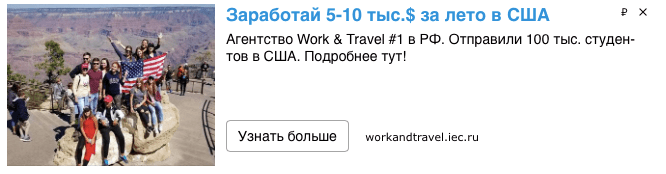

Relying on the agents’ false promises, thousands of Russian students signed up for the program. When they submitted their applications, the Russian applicants were unaware of the falsity of the representation, and they rightfully relied on the false representation from agents — the vetted partners of American sponsors.
The position of agents and sponsors — “We are recruiting you into a program that you are going to like anyway” — reeks of arrogance and conveniently omits the fact that agents and sponsors fraudulently collected money from deceived foreign students.
Furthermore, there is plenty of circumstantial evidence that US DoS-designated sponsors acted as a cartel, conspired and colluded to fix the program price in violation of laws. Agents employed dishonest and illegal marketing techniques and lied to prospective participants to maximize recruitment. At least between 2010 and 2019, through various fraudulent marketing methods, agents intentionally misled more than 60,000 Russian students into spending as much as $3,000 each to participate in the swt program. Cheating foreign nationals en masse is fundamentally incompatible with a cultural exchange program meant to foster mutual friendship.
As a result of the collective misconduct and fraud of sponsors and agents, swt applicants in Russia and worldwide suffered substantial financial damage: the average program cost, for instance, in Russia is about 10 times a personal monthly income. This does not take into account the immeasurable emotional and health damage endured by the students and their families. Nor does it account for the time spent on applications and the opportunity cost, as students could have gotten a real internship, alternative employment, or sought other opportunities.
It is not just the Russian swt participants who have suffered. The entire American reputation was tarnished. Students, when signing up for the program, relied on the integrity of the US government-designated sponsors in the administration of the program; it is undeniable that this integrity went missing after students were used and deceived. The American brand has suffered tremendous damage, and the American reputation has been irrevocably tarnished as a result of the collective malfeasance of the Russian agents and American sponsors.
Sponsors and agents profit at the expense of American interests
Cheating foreign students undermines the US goal of operating a world-class diplomacy program. Foreign students pay thousands of dollars to participate in the program based on agents’ misleading promises. Neglected and corrupted swt recruitment tarnishes US reputation and complicates foreign relations instead of fostering mutual goodwill.
Sponsors claim that swt in its current corrupt form helps “US national security”. However, that “success” is a fake one and bears significant risks for the US in the long term. And that is not just because of the swt-involved US election scam and SSN and Tax Refund fraud that cost millions of dollars to American citizens. The danger of such a blinded approach is that the swt program also produces American haters abroad, thereby threatening US national security and complicating US foreign affairs. Worse, in the pursuit of maximizing profits, sponsors reduced swt reciprocity to essentially zero. In doing so, sponsors deprived young Americans of the opportunity to learn about the world and damaged US national security in the long run. Ultimately, as this report shows, the swt program has evolved to become an enrichment tool for American sponsors and foreign agents rather than an instrument to achieve FH Act objectives. As it turns out, supplying cheap swt labor for American employers is merely a byproduct and necessary provision of the sponsors’ pursuit to expand the program.
The US remains one of the most hated nations on the planet, so swt as a public diplomacy initiative is extremely important. But in the last 20 years the swt program produced at least 200,000 unhappy young foreign students worldwide. That is based on conservative estimates. At least 20,000 Russians left the US with sore feelings — a disastrous outcome for a strategically important country. This is completely counter-productive to the FH Act’s goals, the interests of the American people and US national security. Curious how many of those 20k unhappy Russians were radicalized given the US-Russia relational crisis. The report explains why this is happening.
Just like any other business with capital and benefiting from the status quo, sponsors aggressively protect their interests. Despite the 2010–2011 public outcry, the DoS-incorporated swt reforms only reiterated sponsors’ power. Sponsors, agents and employers essentially receive a license from the DoS to financially exploit foreign students. CEOs of nonprofit swt sponsors get a $250k salary (up to $750k) while depriving young Americans of seeing the world (there is practically zero swt reciprocity), and foreign students get $20 worth of cross-cultural activities after paying the equivalent of 10 times a monthly personal income in Russia (~$3,000). In return, the sponsors claim that it improves the American image abroad. Sponsors and the State essentially operate as one entity within a plausible deniability framework. Overseas agents are doing all the dirty work of corrupt swt recruitment while their US bosses stay clean. Because of its operational model, the current swt structure is akin to an organized crime ring with cover-up and patronage from the top of the US house.
Russian agents, throughout decades of sponsors’ ignorance, have developed a sense of unaccountability and permissiveness. Emboldened by such a mentality, Russian swt agents engaged in deception at every stage of participants’ advancement through the costly program and caused real financial harm. Russian agents, with sponsors’ knowledge and participation, relied on American reputation to take advantage of swt applicants who believed in the America brand.
Recent developments illustrate how sponsors put their financial interests above American interests abroad. During the 2020 coronavirus crisis, sponsors consciously decided to protect agents’ and their own financial interests at the expense of American reputation abroad. Such a short-handed approach has severely damaged US reputation abroad.
American sponsors continuously fail to serve the interests of the American people by allowing Russian agents to deceive young educated Russians who soon will lead the nation. Failure to meet the mutual goodwill objectives of the FH Act was on full display in recent years. If American sponsors did not cheat the system and truly pursued mutual cultural exchanges, the level of mutual animosity would be lower.
However, agents and sponsors have chosen to increase profits and attempt to unilaterally impact the perception of the US abroad. But in the process of mismanagement and obfuscation of their responsibilities, collectively they have caused more damage than they are willing to admit. American sponsors not only failed to foster mutual friendship between Russia and the US by not conducting a reciprocal swt program, they have also failed to conduct a successful American PR campaign in Russia by deceiving and failing thousands of Russian swt participants and their families. At least 20,000 educated Russians have been alienated as a result — a total disaster of the American PR campaign abroad. Sponsors’ mismanagement of the program in Russia has tarnished US reputation and produced negativity towards the US — the outcome sponsors are not publicizing. Sponsors have repeatedly deceived the American people by stating swt has helped the US to achieve its foreign objectives.
Next, agents caused financial damage to the US by knowingly recommending to participants third parties who would deceive the US IRS to fraudulently refund participants’ taxes. This tax fraud is described in the report as well. Further, by setting up participants for failure in the US, sponsors’ and agents’ negligence put American citizens at risk and caused financial harm.
Finally, although aware of agents’ misleading advertising and unethical behavior, the US Embassy filled the coffers of the US Government with visa and Sevis fees from swt applicants. Accepting these fees knowing in advance that applicants have been recruited into the program by dishonest marketing is a per se violation and totally inappropriate for a US governmental entity.
Worse, the actions of the consular officers creating an appearance of endorsement of Russian swt agents by the US Government are a violation. Moreover, endorsing agents and sponsors that cheat naive students and effectively force them to work at 2–3 jobs in the US contradicts the DoS statement that it is concerned about the “health, security, and well-being”. It is hypocritical and totally unacceptable for the US foreign ministry. These actions can only be rationalized as an attempt to increase swt participation without regard to the quality of agents’ representation of the program. The affected Russian students, their parents, friends, university personnel, as well as the general Russian public, have been left with a negative impression of the United States because of DoS formal endorsement of unscrupulous Russian swt agents. Indisputably, the consular officers’ conduct “interfere[s] with effectively carrying out the policies and programs of the U.S. Government, including the responsibility to present a favorable impression abroad of the United States … [and] clearly shows poor judgment or lack of discretion which may reasonably affect an individual or the agency’s ability to carry out its responsibilities or mission” as stated in 3 FAM 4130. The poor judgment of these officers will certainly affect the ability of the Embassy to carry out its mission in Russia and other strategically important countries in the long term.
Cheating foreign nationals and trafficking labor
Agents and sponsors “justify” the program misrepresentation by coating their actions in maternal semantics, seeking to offer solace to the SWT applicants that the sponsors and agents have their best interests in mind. If the agents and sponsors truly had the applicants’ interests in mind, they would have decreased the price of the program, ensured plenty of cross-cultural activities and provided complete and honest information before students sign up for the program.
Rather than stringing applicants along for months and raising their hopes and expectations, the agents and sponsors should have notified applicants and their families in advance that it would be difficult or impossible to recoup the program costs at one job. The applicants would not have wasted their money and time and could have made alternative arrangements, including traveling to other countries. The students would not have invested half a year and thousands of dollars in a program that had been severely misrepresented and perverted.
Instead, the agents, emboldened by sponsors’ endorsement, did not stop their misleading swt campaigns. By engaging in fraudulent marketing, agents and sponsors ensured a steady cash flow from program fees to agents and sponsors and wreaked havoc with the finances and emotions of applicants.
Agents and sponsors, in the pursuit of financial enrichment, deliberately obfuscated the true legislative intent of the FH Act. Agents’ mentality of unaccountability was emboldened by the sponsors’ decades-long patronage and endorsement of agents’ deceptive recruitment practices.
Future Global SWT Class Action Lawsuit
The history and analysis of the swt program show that to eliminate abuse of participants and to achieve FH Act objectives, overseas recruitment must be corrected and regulated. To bring the program back to its noble roots, cardinal reforms are needed — cosmetic changes will not suffice. The multiyear history of the swt program demonstrates that all legitimate concerns and complaints are ignored and victims are not reimbursed. Currently the swt program is not self-regulated and not self-adjusting — its corrupt structure effectively precludes any reforms. In fact, never in swt history have major reforms been a result of direct participants’ complaints.
Suing sponsors and agents for damages appears to be the ultimate way to rectify swt problems, reimburse swt participants and restore the American image abroad. The collected information indicates that there is sufficiently solid evidence out there to initiate and win the case. Therefore it would be no surprise if swt participants and American activists bring a collective action in the pursuit to discipline misbehaving parties, stop the deception of foreign students and return the swt program back to its beautiful cultural exchange roots.
Indeed, the history of Au Pair — a sister J-1 program often run by the same sponsors — is quite representative. Only after Au Pairs brought a nationwide class action case against sponsors and forced them to pay $65.6 million in settlement did sponsors adjust their operating model.
More rationale for the potential swt lawsuit:
- Sponsors deceived and misled foreign students en masse.
- Sponsors violated the Code of Federal Regulations governing the swt program.
- There is circumstantial evidence that sponsors colluded and conspired as an illicit cartel to fix the program’s price to the detriment of swt participants, foreign students (who could not participate in the over-priced program) and ultimately the United States. This illegal cartel must be broken up for the ultimate benefit of American citizens.
- Collected evidence convincingly demonstrates that many complaints described in the Au Pair lawsuit — such as program manipulation, collusion, consumer fraud, cheating young workers to increase profits, and other abuse — are also applicable to the J-1 Summer Work Travel program.
- Deep and absurd conflicts of interest between employers, sponsors and agents hinder the implementation of meaningful reforms that would ensure achievement of the FH Act’s objectives.
- Multiple US media and civil rights organizations criticized the program’s flaws and made recommendations which were largely ignored. None of the major recommendations from reputable US human rights organizations have been adopted [5, 6 for instance]. Structural program flaws have not been fixed. In fact, in 2019 a leading swt expert characterized the swt system setup as “pretty crazy” [169]. That is despite multiple swt rule revisions in 2011–2017.
- Thirty years of documented ignorance and unwillingness of the DoS to make fundamental changes to the program. State has been aware of serious swt issues and has done little to improve the situation. In fact, DoS has been formally agreeing with strong criticism from government auditors (1990, 2000, 2005, 2015), which means the Agency is fully aware of the fundamental problems with the program. In 2002 DoS top official Colvin said “There’s a problem, no question about it”. He added there was “enough blame to spread around to everyone,” saying the principal wrongdoers have been “unscrupulous” overseas recruiters “who are misrepresenting the program” [132]. Nonetheless, unscrupulous overseas recruiters continue to deceive swt applicants. Unfortunately, the swt program has earned the reputation of US Government-sponsored cheating of foreign students rather than a US cultural exchange.
- DoS has publicly admitted that it is not able to enforce regulations. DoS stated that “the program regulations have been ignored by some exchange program sponsors” and that “the regulations are difficult to enforce” [11]. The State also made it clear in 2019 that it will not intervene in disputes involving swt parties: “The Department of State is unable to mediate disputes involving summer work travel participants, host companies, and sponsoring organizations” [161]. The Agency effectively admitted it will not protect swt participants. As such, someone else has to put a stop to corrupt recruitment practices.
- Foreign agents remain comfortably out of reach of the American public, US investigations and the justice system. Neither can local authorities bring agents to justice. Agents and sponsors, due to a combination of factors analyzed in the book, know they can get away with cheating students. Overseas enforcement of existing rules is practically absent. DoS has adopted a reactionary approach, reluctantly sanctioning misbehaving parties only after significant media criticism. Enforcement of the swt regulations should not be dependent upon students publicizing their experiences to the media. The lion’s share of violations never gets reported.
- To protect helpless and inexperienced students who are blatantly misled by agents. Victims must receive compensation for the violation of their trust, paid by sponsors. Participants, misled by agents’ promises of high earnings, are instead left indebted for years. As stated by participants: “Many of us coming through the cultural exchange program are trying to lift ourselves out of poverty. We make huge sacrifices with the hopes to reap the rewards of our hard work, but that didn’t happen” (Marina, 2026). “I came because of all the promises, but they were not kept. It was devastating for me” (Artem, 2026) [130]. Students pay thousands of dollars for the promise to experience America and make “high earnings”. But when they arrive in the US, their experiences are often very different from what was promised. “Many are working multiple jobs and living in overcrowded housing to make ends meet. Others, who paid exorbitant amounts of program fees, are carrying large debts after taking out loans to cover those fees” — and some even struggle to buy food (Sveta, 2026) [171].
- Protect the image of the US: the participants’ failures caused by corrupt overseas agents compromised US foreign relations with other countries. DoS itself noted that “As a public diplomacy program, exchange visitors’ successful experience with this program will create lifelong ambassadors of goodwill between the United States and other countries. As such, the quality of the program for the exchange visitor is the essential goal” [45]. The opposite is also true — a bad swt experience will create a lifelong abhorrence of the US. Actually, bad experience is more dangerous and requires many more people with good experiences to counterweight the negative impact. DoS itself stated that the failure to protect the health, safety, and welfare of swt participants “will have direct, foreseeable, and substantial adverse effects on the foreign affairs and relations of the United States” [33].
- Mutual reputation damage and impact on foreign affairs. Failure to adequately protect the well-being of swt participants and their mistreatment throughout the recruitment process has a negative impact on US foreign affairs. Analysis of public opinion in both countries shows that swt negative experiences damage mutual respect between the US and Russia and alienate these countries. First, unqualified Russian students with a “wild west” attitude, who should have been screened out by greedy agents and sponsors, put a dent in Russian reputation in America. Then in Russia, deceptive recruiting practices of swt agents cast shade on the US and foster contempt towards it. Students are misled by greedy agents and form unrealistic expectations which, after not being materialized, upset participants. Abuse of participants in the program administered by the US Government further exacerbates the situation. Below are a few comments from an article covering abuse of swt students. Although old, these perfectly demonstrate the damage to foreign affairs by mistreated swt students [16]: “Does the Department of State and Cetusa realize these students are not U.S citizens? Treating these students like slaves and disrespecting their rights is sending the wrong message abroad. The students will go back to their home country. If anything, we are creating more enemies by the stupid and greedy actions of a few small-minded individuals and corporations. Can you imagine the disillusionment of those students who believed the propaganda touting the U.S. as a golden country? Will such an experience, to an unbalanced individual, create the next terrorist?” (Michael, 2026). “The United States proclaims itself to be a model of democracy and tries to impose its way of life on the rest of the world. But as the old adage goes, ‘Action speaks louder than words.’” (Susan, 2026). “In the short term, this is exploitation and these kids are doing work that unskilled, unemployed Americans can do. In the long run, this program is a PR disaster for America as these kids come back home and tell what happened to them. And I have no doubt that some of these kids will grow up to be influential in their home countries, and they will not be exactly brimming with good will toward us. We don’t need this self-inflicted wound.” (Robert, 2026). “It’s terrible that we allowed such a beneficial program to go sour. If the purpose of it was that of conveying a positive image of our nation to former enemies, by so losing control of it as to allow it to regress into wage slavism, we merely confirm the worst accusations of our enemies.” (James, 2026). “From our conversation, it was clear that the only interaction they had with Americans was to move their furniture from morning until late at night. They were not impressed with the program (and the moving company) and neither was I.” (Linda, 2026). Ultimately, young people who suffer from deceptive recruiting will return home disappointed and with broken promises. This in turn will lead to negative impressions of the United States. Students will consider the US a greedy country that practices international hypocrisy, disregards the well-being of young foreigners, and allows them to be victimized by foreign agents and sponsors, and exploited by US employers.
- Change the “second sort” type of attitude towards swt students in the US. Swt participants are often viewed as barely English-speaking temporary guestworkers with no equal rights who can be endlessly exploited with no consequences for abusers. American double standards in treating foreign swt students are appalling. There are tons of cases and stories of how swt students are treated differently from their American peers. For example, a church pastor protecting the swt program stated that “there simply aren’t enough American college students able to work those dates and hours and live in such modest conditions” [168]. Really, pastor? Swt students are not slaves and do not come to the US to live in “such modest conditions”. They deserve equally good living conditions, equally high wages and pretty much everything else on par with American students. In fact, participants’ most frequent complaint is wage discrimination. For example, Russian students cite “getting paid at least twice less than locals” (Danya, 2026), “installing 3 times more and getting paid 3 times less” (Kirill, 2026), “often doing jobs that violate US laws, but most importantly you can not do anything, no one will help you”, “getting fired on the first day of the job” [68], “being treated like dirt” [211], etc. Russian participants wished American companies took “them more seriously” [63] and not just considered them cheap bonded labor. US employers state they can not fill their vacancies with Americans and therefore use the swt program. This fact by itself is partially indicative of the unfair treatment of swt participants. Here is another outsider view, from an American citizen: “Kids from Russia, Bulgaria, Chile, etc were hired for the summer. In general, they were posted at the worst locations and were paid less than minimum wage (regular employees were paid minimum) plus somewhat negligible tips. They all would stay grouped together in small apartments, and — maybe — after working for a long time would get to spend a weekend to go sightseeing. We always felt bad for them, seemed like a raw deal” (Chris, 2026) [16]. Importantly, swt students are not temporary guestworkers — they are international guests on American land and should be treated with respect. It does not make sense to invite foreigners to America and then discriminate against and treat them like dirt. Particularly concerning is the “second sort” type of attitude towards swt participants. Yes, they do not speak perfect English, but they are in the US because of the US’ own cultural exchange program. It is not rare for participants to hear something like “You don’t have the same rights as Americans do”. Indeed, as practice shows, swt students do not have the same rights as Americans. Pretty sad and embarrassing. They are offended, discriminated against and taken advantage of. This practice of discrimination and indentured servitude must stop. There is no space for American “exceptionalism”, snobbism and double standards in an international cultural exchange program. Can you imagine one of the American students in engineering or medicine going abroad only to find that what they had been promised is very different from reality? Or imagine American students paying the equivalent of 10 times a monthly income for a “cultural exchange program” overseas only to realize all the promises were fake, and to be heavily exploited and abused. What a storm of lawsuits and media attention that would bring up. But when it’s Eastern Europeans or Africans, it seems to be their fault for wanting to see America. Or imagine if American kids signed up for a cultural exchange program in another country to learn the language, immerse into the culture, gain skills to improve their resume — and ended up doing manual labor, isolated, for long hours. They would feel cheated as well. Participants are misled so badly, with so many unrealistic promises. Agents promise students not only to break even but to make thousands in cash after working a summer in America while having an amazing experience. But students end up owing money unless they work and live like slaves.
- Hope that this report will ensure no other foreign student goes through the hard times the authors have been subjected to because of the epidemic of lies in the program. Several lawsuit precedents will exemplify participants’ ability to enforce their rights. Otherwise, students who are brave enough to stand up against agents and sponsors will not be protected, many others will be deterred, and all the needed facts and perspectives will never be brought to light. The lawsuits will attract much-needed attention to serious swt problems.
- Sponsors and agents have sufficient resources to compensate participants since they are financially stable entities. CFR requires that agents and sponsors demonstrate financial solvency [2, 33]. Unless sponsors and agents are taken to justice and feel the monetary pain — just like thousands of deceived foreign students — their cheating practices will continue.
- After unscrupulous and greedy sponsors and agents are taken to justice, they will have to adopt honest swt advertising practices and ensure competitive prices. Once transparent, lie-free swt marketing is adopted, the program price will have to go down. A lower price will make the program more affordable for students from low-income families, for whom the program was designed. The equilibrium will be established naturally through market forces, not through sponsors’ collusion and cartel — all without negatively impacting the participation statistics. Moreover, a lower price will reduce indentured servitude and, as a result, reduce abuse of students. And because less work is needed to repay the lower program cost, swt participants will have more time for cross-cultural activities. Therefore, by simply removing greed and adding integrity to the program, all current swt issues will eradicate themselves. All we need is honest swt marketing and free competition. That is an easy, proper and least burdensome solution to all problems with the swt program. Finally, in doing so, the FH Act’s objectives will be achieved to the mutual benefit of the United States and all swt participating countries. Fingers crossed.
About us
A team of swt veterans dedicated to protecting and educating swt students. Stop swt abuse. Stop swt lies. Protect vulnerable students. Whether it is the US Department of State, an American sponsor/employer or an overseas agent, they all must respect the rights of swt participating students.
We are not native English speakers, so please be gracious.
If you have questions, please email us.
For end notes and references please refer to the full report.
 comingtoamerika.com